
Contents
National Walking Month (May, UK) is the perfect excuse to get outside, breathe some air, and move your body. It’s also a brilliant time to think about where reading fits into an active life—because it absolutely does.
Reading and walking might seem like opposites, but they’re not. Audiobooks on walks. Books about nature explored during nature walks. Quiet reading time after an adventure. Even noticing letters and words in the environment. There are lots of ways to combine movement and stories.
Here’s how to bring reading into National Walking Month—without forcing it, without making it complicated.
Movement and reading support each other
Fresh air and physical activity are brilliant for children’s brains and mood. Reading builds language and imagination. When you combine them, you get the best of both.
- Walking clears the mind: A walk settles anxiety and can actually help children focus. A calm mind is more open to stories.
- Nature sparks stories: What you see on a walk—a interesting bug, a twisted tree, a rushing stream—becomes fuel for imagination and storytelling.
- Audiobooks make walking more enjoyable: A good story transforms a regular walk into an adventure. Time passes differently when you’re listening.
- Reading together outdoors creates memory: Sitting on a bench reading, or listening to a story with the breeze around you—these become the moments children remember.
Bite-sized reading tips, straight to your inbox
Get confidence-boosting tips to help your child learn to read. Short, useful, and easy to fit into (real) family life!
Even better? You'll also get 25% off your first month of Reading Chest.
Listening to stories on the move
Audiobooks are one of the easiest ways to bring reading into walking.
How to make it work
- Start with a book they’ve already heard: A familiar story means they won’t miss bits if they get distracted by a puddle or a dog.
- Keep the volume at chat level: They should be able to hear the story without missing the sounds around them—birds, wind, their own breathing.
- Let them pause and point: “Did you hear that?” or “Look, a butterfly!” It’s a walk with a story, not a story that happens to be outdoors.
- Use it for longer walks: A short walk to the park doesn’t need an audiobook. But a longer adventure to a nature reserve? Perfect.
If you don’t own audiobooks, check your library. Many offer free access through apps like Libby or OverDrive. Some are brilliant, some are a bit rough—but they’re free to try.
Bringing books to outdoor spaces
Reading isn’t just something you do at home. Try bringing a book along.
- Park bench reading: Bring a picture book and read it on a bench while you’re at the park. Change of scenery, same cosy time.
- Picnic stories: Pack a book with your snacks. Read a few pages while you’re sitting on the grass.
- Rest-break reading: On a longer walk, a five-minute book stop can be a lovely pause point.
- Before-the-adventure reading: Read a story about the place you’re visiting before you go. Then you’re on a book-themed walk.
Finding reading in the environment
Walking is full of reading opportunities if you notice them. You’re not making your child sit down with a workbook—you’re just reading what’s already there.
- Read signs: Street names, shop signs, park information boards. “What does that sign say?” is real reading practice.
- Spot letters and sounds: Phonics sounds in the environment can be a game. “How many S sounds can we spot?” on a walk.
- Number and letter hunts: “Find all the red letters” or “How many number twos can we see?” It’s noticing, searching, exploring.
- Talk about what you see: “That tree looks like the one in our story.” You’re making connections between the world and books.
Books that connect with outdoor exploration
Reading stories about nature before or after walking deepens the experience. Your child notices the real woodland differently after reading about forest animals.
Story walks
Some communities now offer “story walks” where pages from a picture book are posted along a walking route. You walk and read as you go. Beautiful idea if you can find one near you.
Creating your own story walk
On a familiar walk, you could create your own adventure: “We’re going to find the place from this story” or “Let’s notice the things this character noticed.” It turns a walk into a narrative experience.
Reading on walks at different stages
Very young children: They might not sit for audiobooks, but they love pointing at signs, noticing colours, and talking about what you see. That’s language and literacy.
Early readers: Simple picture books at the park, spotting letters on signs, playing I-spy games with sounds.
Confident readers: Longer audiobooks, chapter books read aloud while you walk, creating stories about things you see.
Bringing reading and walking together
This activity is perfect for spotting sounds and letters in your everyday environment—including on walks.
Sound search in books
Pick a sound, open a book and hunt for it on the page. Quick phonics practice that connects to real text rather than a worksheet.
Goal
Spot target sounds in real text — building the sound-symbol connection in context, where it actually matters.
You'll need
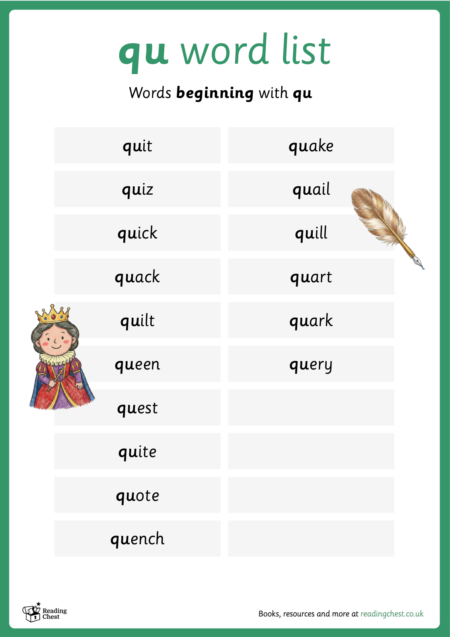
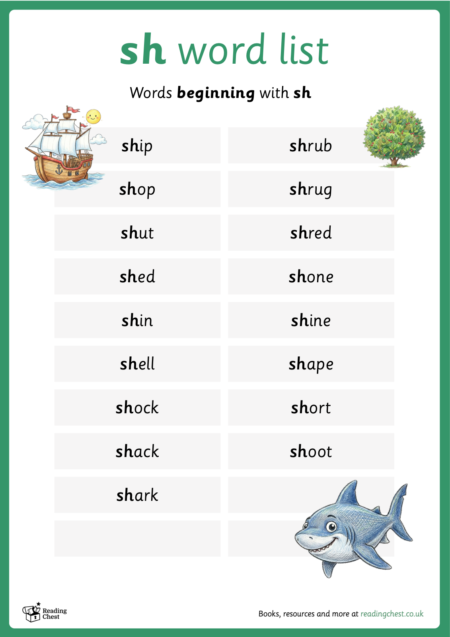
- Phonics "qu" words list
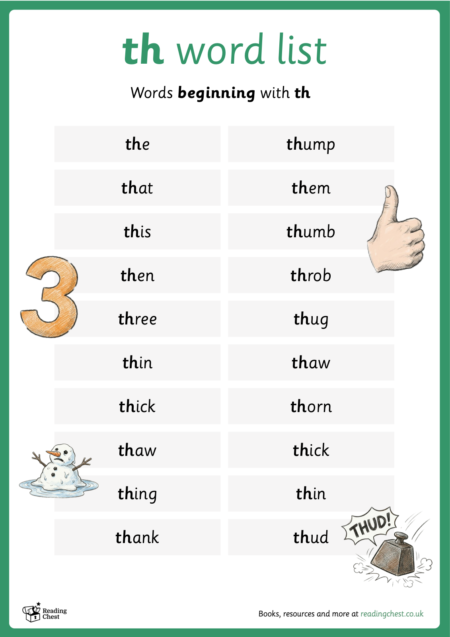
- Phonics "th" words list
- Phonics "sh" words list
How to do it
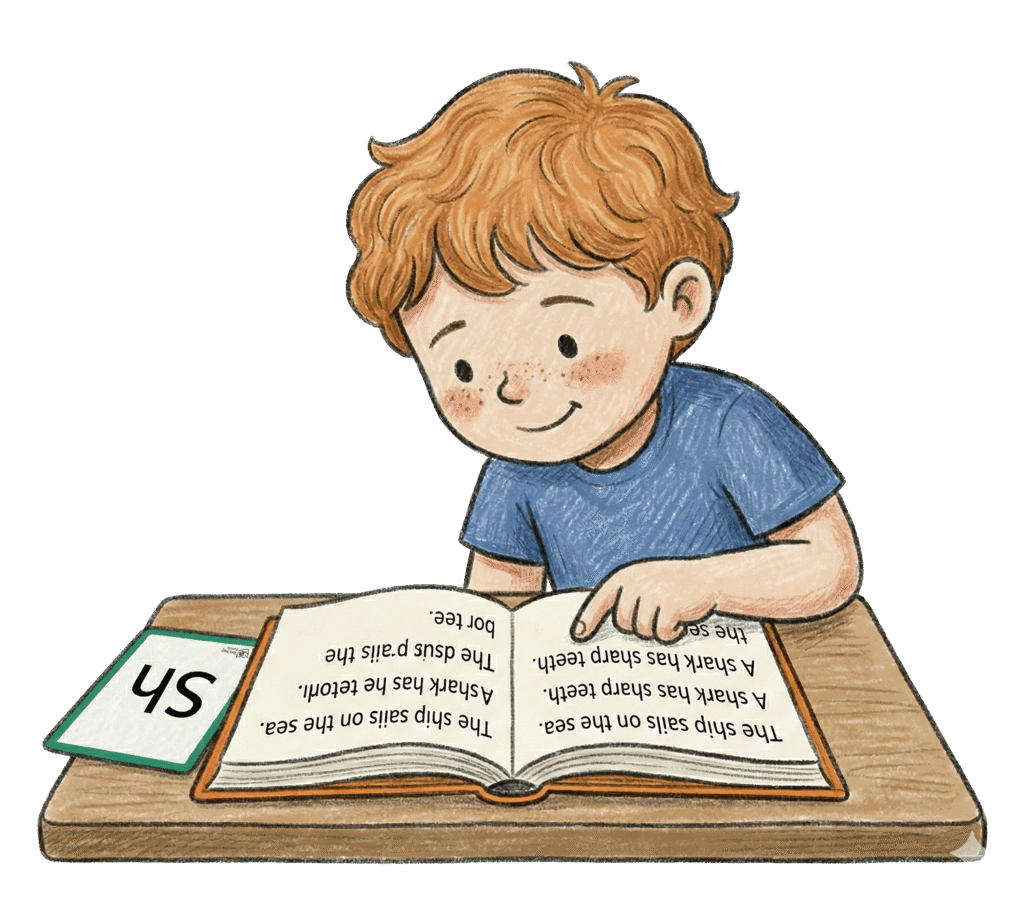
Choose a sound to focus on — sh, th or qu are great starting points. Say it together. Then open a book and start scanning.
Every time your child spots that sound in a word, they point and say it. Count how many you find on one page — then try another. Use the word lists as a warm-up if they need to see the sound in isolation first.
This one's fast — five minutes is plenty. The value is in connecting the sound to real words in real sentences, not just practice words on a card.
Grab our resources
Print our phonics "qu" words list and phonics "th" words list to get started.
Or try building a reading habit that’s quick and portable enough to fit around busy, active days.
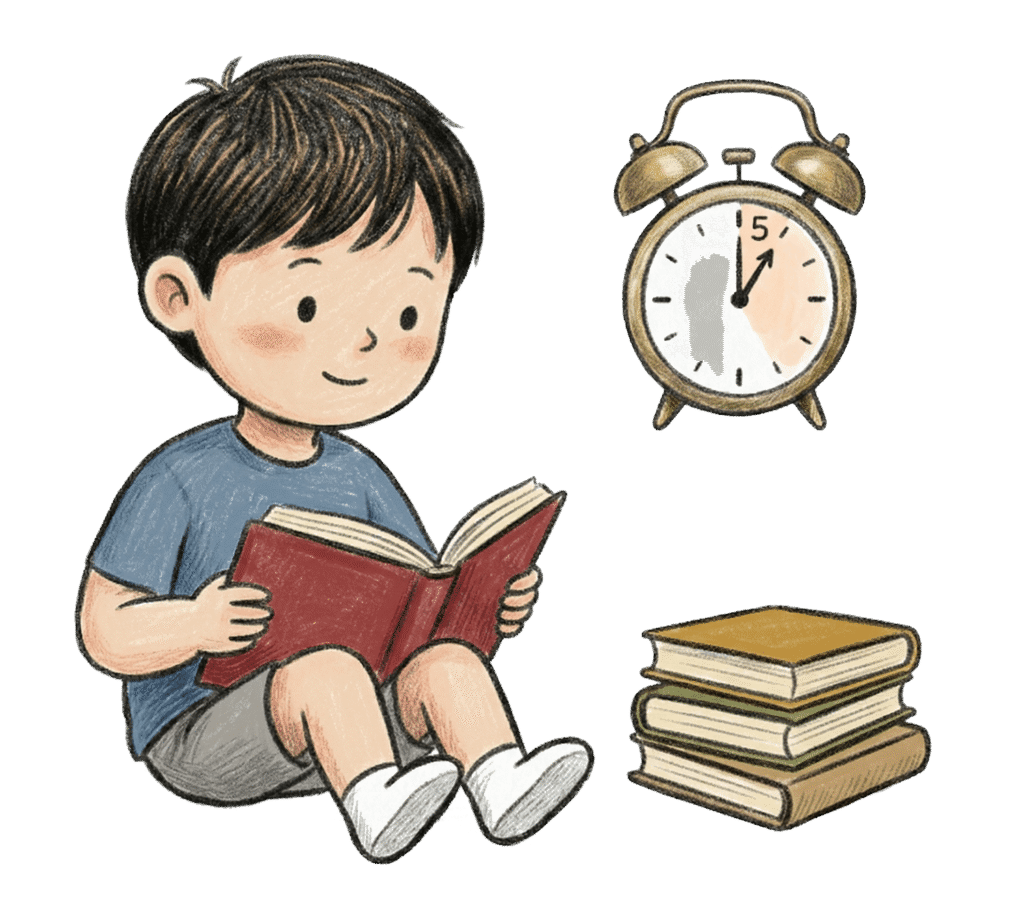
The five-minute reading habit
Five focused minutes with the right book beats an hour of reluctant page-turning. Short daily sessions are where the real progress happens.
Goal
Build confidence and fluency through short, consistent daily reading — because regularity matters more than duration.
You'll need
- A decodable book at the right level
- A comfy spot
- A bit of patience
How to do it
Sit together and read a couple of pages. Let your child point to each word as they sound it out. If they get stuck, give them a moment before you step in — sometimes they just need a second.
When they do need help, try: "Say the sounds, then blend" rather than just saying the word for them. Keep the session upbeat. End it before anyone gets tired.
Five minutes every day adds up to over 30 hours of reading practice in a year. That's not nothing — that's everything. The habit matters more than the duration.
Grab our resources
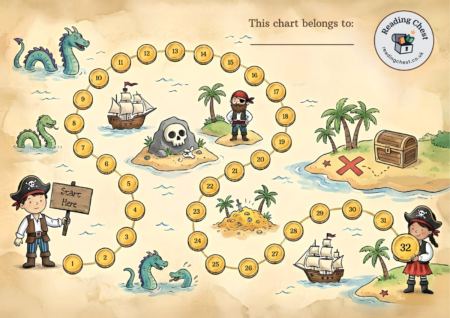
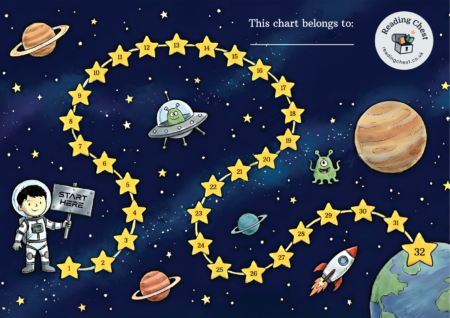
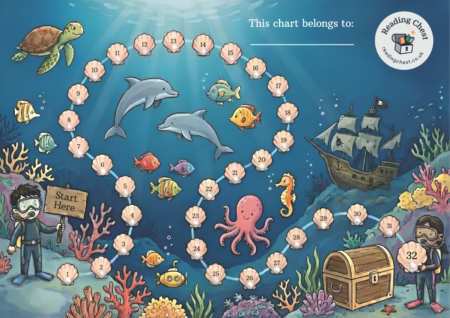
Our handy star charts are the perfect way to track your daily progress as you tick off those five minute reads!
Frequently asked questions
Do audiobooks count as reading?
Yes, absolutely. Listening to a story engages the same language and comprehension skills as reading. The medium is different, but the learning is real. For children developing phonics skills, audiobooks plus physical reading work brilliantly together.
What is National Walking Month?
National Walking Month is celebrated in May each year in the UK. It’s an initiative to encourage people to walk more, explore their local areas, and enjoy the health benefits of movement. It’s a perfect time to notice how reading and walking can complement each other.
How can I encourage reading outdoors when my child would rather run around?
Don’t force it. Let them run around. But offer reading as an option—a bench break, an audiobook on the walk home, a book at the park. Some children need movement first, then they’ll settle for reading. Others prefer it the other way. There’s no pressure.
Are there reading activities we can do on a walk?
Lots. Spot letters on signs, notice sounds in your environment (bird calls, wind, traffic), talk about what you see and relate it to stories, create stories as you walk, or play I-spy games using colours and objects. It’s all language and literacy in action.
National Walking Month is a reminder that reading happens everywhere—not just at a desk or on a sofa. A story in your pocket (or your ears), movement, fresh air, and curiosity: that’s a pretty perfect combination.
Explore our activities section for more ways to bring reading into everyday adventures.
