
Contents
Ahoy there! Every 19 September it’s time to dust off your best “Arrr!” because Talk Like a Pirate Day is here. It’s a brilliant excuse to add a splash of silliness to your child’s reading and spark their imagination. Whether your little one is obsessed with treasure maps or just loves a good sea shanty, pirate-themed reading is a playful way to boost literacy skills whilst keeping things fun.
From treasure hunts to storytelling with a pirate twist, there are loads of ways to bring books to life. Here are some simple ideas to help your family set sail on a reading adventure this Pirate Day.
Create a pirate reading nook
Turn a corner of your home into a cosy pirate ship where storytime feels like an adventure on the high seas. This doesn’t require much—just a little imagination and whatever materials you have lying around.
- Build the ship: Use blankets or cardboard to create a boat-like hideout. Even a cluster of cushions counts.
- Add the gear: Pirate hats, eye patches, or even a stuffed parrot perched nearby. Fancy dress makes everything more exciting.
- Decorate with maps: Hang a world map or make a hand-drawn treasure map to inspire their imagination.
- Treasure chest of books: Keep pirate tales and adventure stories in a decorated box ready to be discovered.
Bite-sized reading tips, straight to your inbox
Get confidence-boosting tips to help your child learn to read. Short, useful, and easy to fit into (real) family life!
Even better? You'll also get 25% off your first month of Reading Chest.
Pirate word play and phonics
What’s Pirate Day without the lingo? Playing with words is a great way to sneak in some phonics and vocabulary practice whilst having a giggle. Pirate vocabulary is actually brilliant for phonics—words like “ship,” “chest,” and “night” contain phonics patterns children need to learn anyway.
Learn pirate phrases
- Teach simple words like “Ahoy!” (hello) or “Avast!” (stop!).
- Challenge your child to use pirate words in a silly sentence.
- Make matching games with flashcards of pirate terms.
Rhymes and alliteration
- Play rhyming games with words like “sea,” “ship,” and “gold.”
- Create funny pirate names using alliteration—think “Captain Courageous Clara” or “Jolly Jack the Juggler.”
- This is genuinely fun phonics practice disguised as pirate silliness.

Tell your own pirate tales
Encourage your child to be the author of their own high-seas adventure. Storytelling builds creativity and confidence with words in a way that formal writing practice can’t match.
- Start with a prompt: “You discover a treasure map in a bottle. What happens next?”
- Add pictures: Let them draw ships, treasure, or sea monsters to go with their story.
- Make it a group story: Take turns adding to the tale—you’ll end up with something wonderfully wacky.
- Act it out: Once they’ve told the story, turn it into a mini play. Pirate drama is always entertaining.
Go on a treasure hunt
Combine books with movement and mystery by organising a pirate treasure hunt around your home. This is brilliant for early readers as it makes reading feel like part of an adventure rather than a separate activity.
- Hide clues or books: Each step leads closer to the “treasure.” You can write simple clues or hide books in different locations.
- Add challenges: Simple riddles or short reading tasks to unlock the next clue. “Read three words on this page” or “Find a word that rhymes with ‘ship.'”
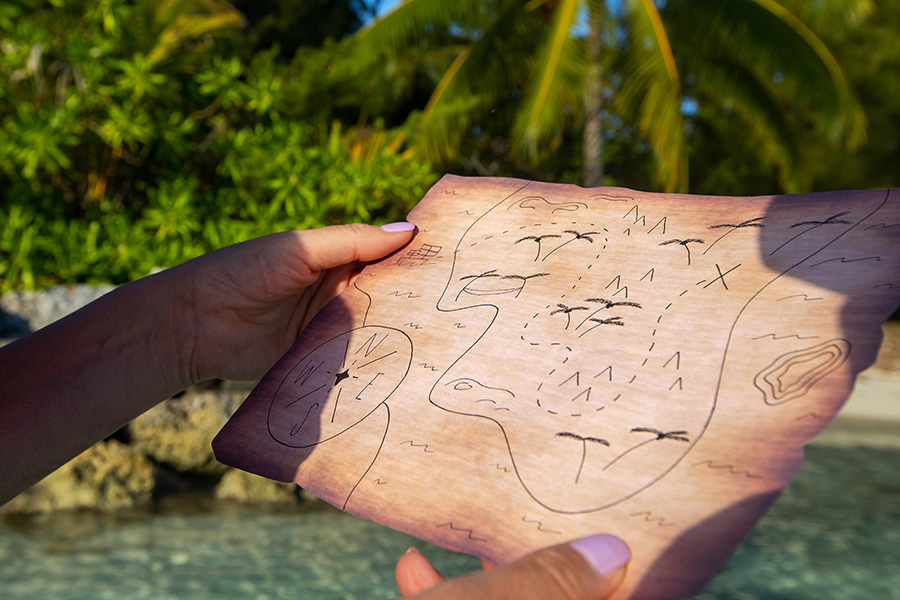
- Draw a map: X marks the spot for the final treasure—a pile of pirate books or a little treat (gold coins/chocolate coins work brilliantly).
Pirate phonics and word activities
To help your child develop the habit of spotting and exploring interesting words in books, try this activity that works brilliantly with pirate themes:
Sound search in books
Pick a sound, open a book and hunt for it on the page. Quick phonics practice that connects to real text rather than a worksheet.
Goal
Spot target sounds in real text — building the sound-symbol connection in context, where it actually matters.
You'll need
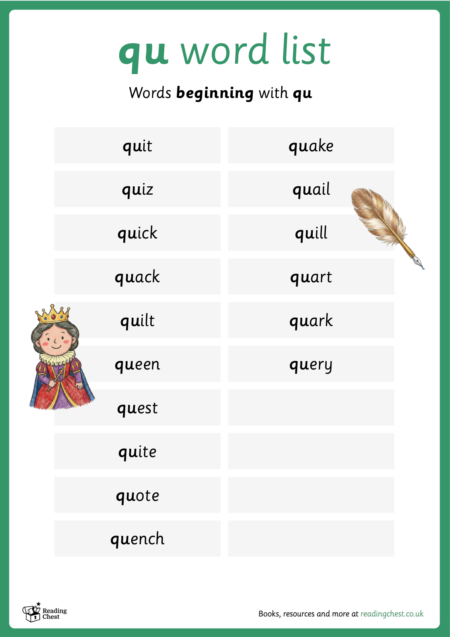
- Phonics "qu" words list
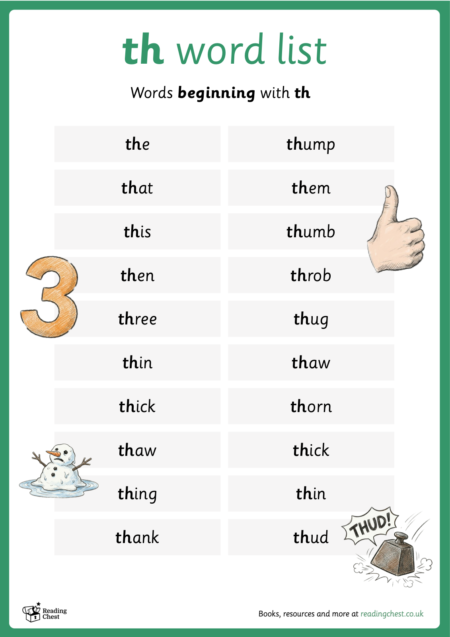
- Phonics "th" words list
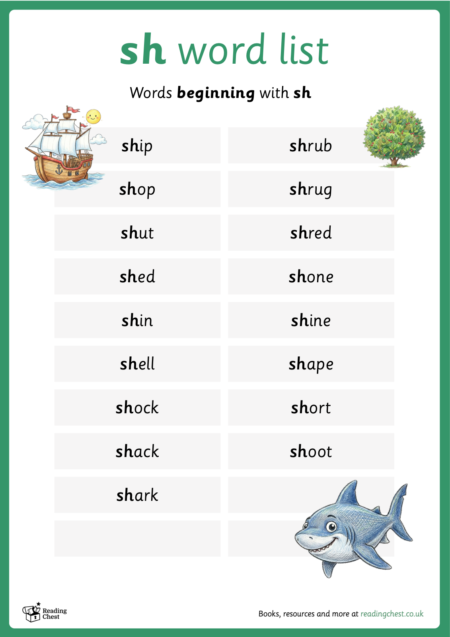
- Phonics "sh" words list
How to do it
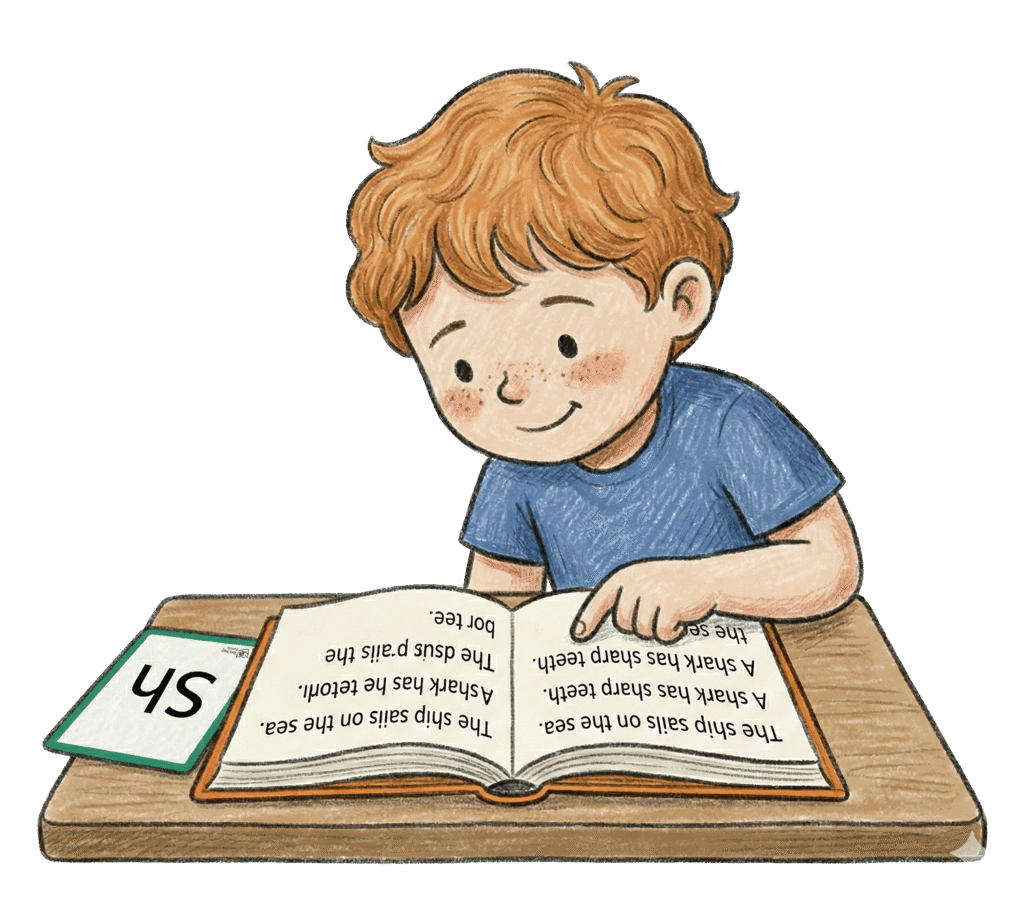
Choose a sound to focus on — sh, th or qu are great starting points. Say it together. Then open a book and start scanning.
Every time your child spots that sound in a word, they point and say it. Count how many you find on one page — then try another. Use the word lists as a warm-up if they need to see the sound in isolation first.
This one's fast — five minutes is plenty. The value is in connecting the sound to real words in real sentences, not just practice words on a card.
Grab our resources
Print our phonics "qu" words list and phonics "th" words list to get started.
And if you want to turn reading into interactive storytelling where your child gets to make choices about what happens next, this activity is perfect for pirate adventures:
Stop-the-story choices
Pause mid-story and ask: what do you think will happen next? Read on and find out whose guess was closest. Keeps minds engaged right through to the last page.
Goal
Practise predicting and thinking ahead while reading — building comprehension and keeping attention right where it should be: on the story.
You'll need
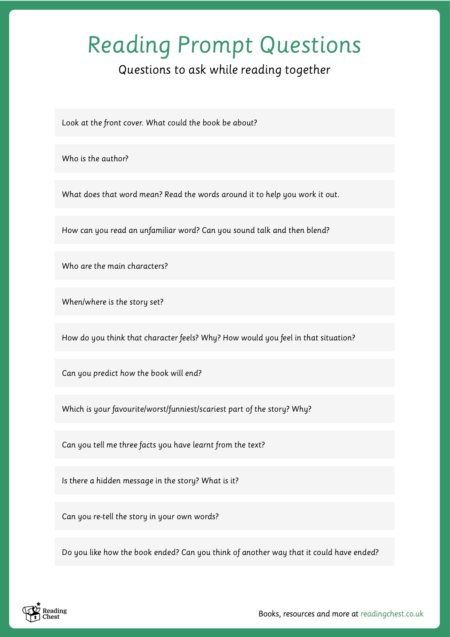
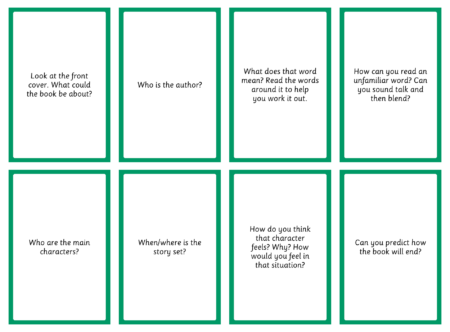
- Reading Prompt Questions
- Reading Prompt Cards
How to do it
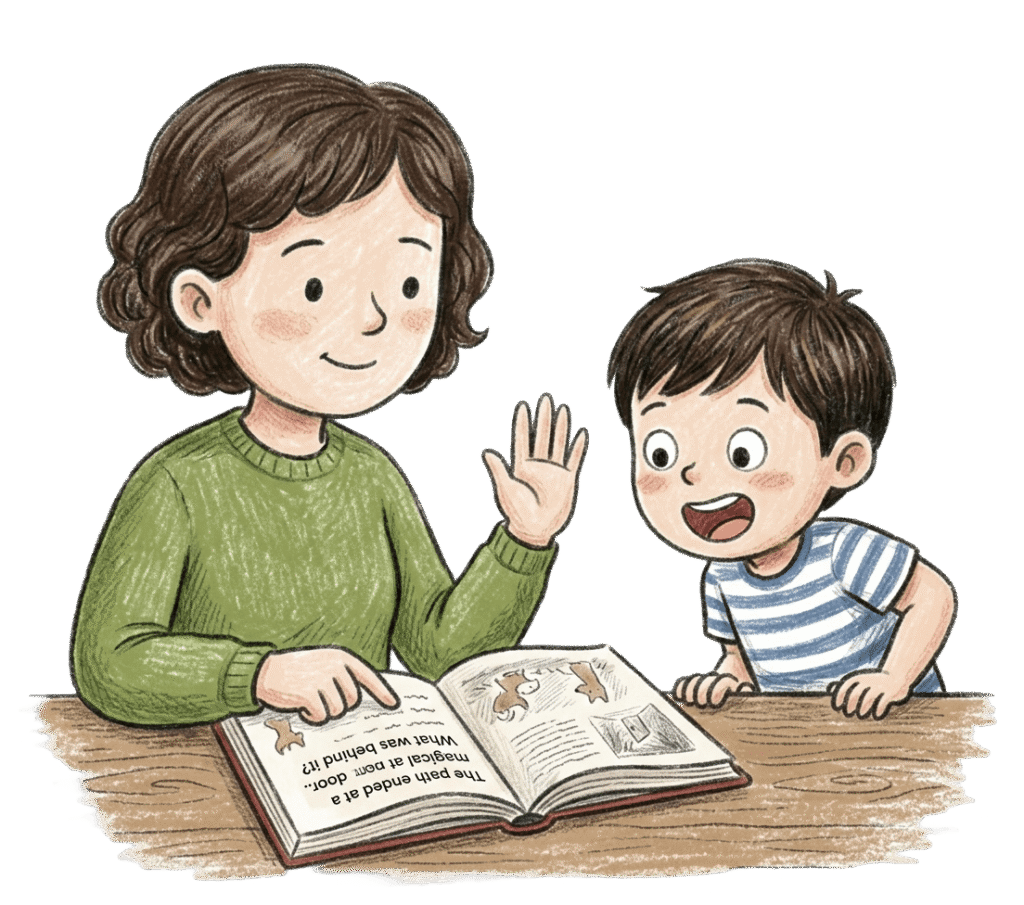
Read together until you hit a turning point — a cliffhanger, a choice, a moment of tension. Stop. Ask: "What do you think happens next?" Let them share their idea, however far-fetched.
Use the prompt cards if you need a nudge: "Why did they do that?" or "What would you do in their position?" Then read on and find out.
When the real outcome arrives, compare it to their prediction. "You were almost right!" or "Nobody saw that coming!" are equally good reactions. The habit of thinking ahead while reading is one of the most useful comprehension skills there is — and this is how it gets built.
Grab our resources
Print our reading prompt questions and reading prompt cards to get started.
Digital pirate fun
If your child enjoys screens, there are some brilliant digital pirate reading options:
- Story apps: Interactive pirate adventures they can click through. These often combine reading with choice-making, which children love.
- Audiobooks: Perfect for quiet time or long car rides—let a pirate narrator take the helm. Hearing stories read aloud is still reading.
- Printable worksheets: Free online resources with pirate puzzles and word games can add a structured element if your child enjoys that.
Keep the reading adventure going
Pirate Day might be once a year, but the excitement of reading doesn’t need to end there. With Reading Chest, your child can enjoy a constant supply of books matched to their reading level—from early readers to chapter books and beyond. Our flexible subscription means you can follow your child’s interests—whether they’re into adventure stories or something completely different—without worrying about getting stuck with the wrong books.
- Our book band system makes it easy to get just-right books for your child, whether they’re into adventure, animals, or absolutely anything else.
- Flexible swapping means there’s always something fresh waiting to be read.
- Browse our full book collection to find adventure-themed reads at your child’s level.
Frequently asked questions
When is Talk Like a Pirate Day?
Talk Like a Pirate Day is on 19 September every year. It’s a fun, unofficial celebration that’s great for schools and families. But honestly, you don’t need to wait for a calendar date—any day can be pirate day if your child is keen on adventures and treasure hunts!
What are the best pirate books for young children?
Look for picture books about pirates and treasure hunts, adventure stories with pirate themes, and books that feature maps, boats, or sea creatures. Our book collection includes adventure-themed books across all reading levels. Pirate books often have exciting illustrations and fast-paced plots that grab children’s attention.
Are there phonics-friendly pirate books?
Yes! Many phonics reading schemes include pirate-themed books. Pirate vocabulary like “ship,” “chest,” “gold,” and “night” contains common phonics sounds and patterns, making it ideal for practising. Ask your child’s school what schemes they use, and you’ll likely find some pirate adventures at early reading levels.
How do I make reading feel like a pirate adventure?
Create an adventure atmosphere: treasure hunts for books, a cosy pirate hideout for reading, silly pirate voices for read-alouds, and chances for your child to add their own twists to stories. Let them choose books, act out scenes, and treat reading like an exciting quest rather than a chore. When reading is fun and playful, children want to do more of it.
Wrapping up
Talk Like a Pirate Day is a playful way to turn reading into an adventure. Whether you’re building a ship-shaped reading nook, inventing pirate names, or sending your child off on a treasure hunt, you’re helping them see books as something exciting—a gateway to adventure rather than a chore.
The best part? This enthusiasm doesn’t need to end on 19 September. When you keep feeding that appetite for adventure with fresh books matched to your child’s level, reading becomes something they naturally reach for all year round.
We’d love to see your pirate-themed reading adventures. Share your photos and stories with us on Twitter/X, Facebook, or Instagram. Anchors aweigh—it’s time to read like a pirate!
