

Contents
World Teachers’ Day (5 October) is the perfect time to celebrate the incredible teachers who help shape young minds—and hearts. Among the many things they teach, one of the greatest gifts they give is a love of reading. That spark they light in the classroom can grow into a lifelong passion for books, stories, and learning.
Teachers and parents share a common goal: helping children fall in love with reading. When we work together, we can make reading part of everyday life—in classrooms, living rooms, and everywhere in between. This guide shows how to celebrate World Teachers’ Day by championing reading and strengthening the bond between home and school.
The magic teachers bring to reading
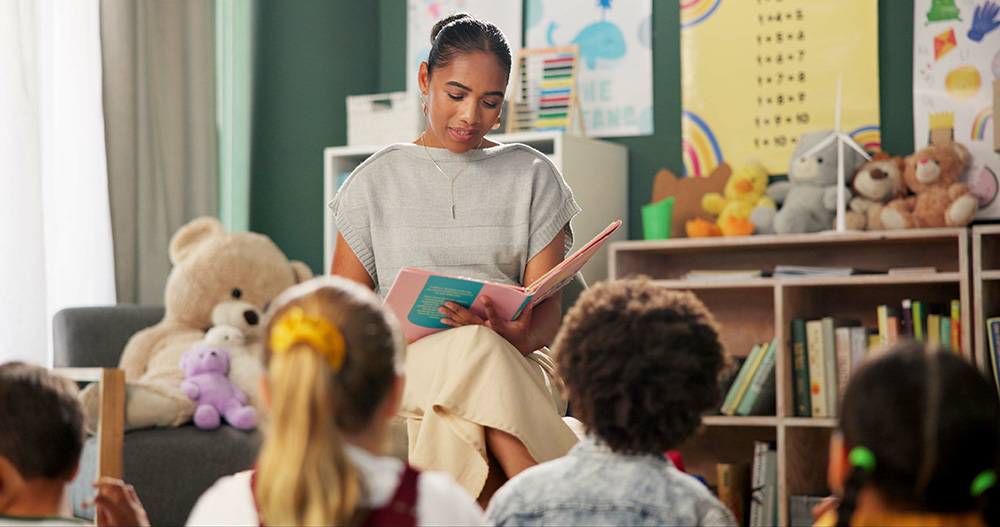
Teachers don’t just teach children to read—they show them why reading matters. They build curiosity, confidence, and a sense of wonder, one book at a time. Here’s how they do it:
- Creating daily reading habits: Many teachers fill their classrooms with books, dedicate quiet reading time, and encourage children to explore new stories.
- Making it fun: Storytelling, drama, and book-themed games help bring reading to life (and often end in giggles).
- Recommending the right books: Teachers know their pupils—they can suggest stories that hit that sweet spot between challenge and enjoyment.
- Building reading confidence: Through praise, encouragement, and celebrating small wins, teachers create readers who believe in themselves.
When a child finishes their first book independently, when they lose themselves in a story, when they ask to take a book home to finish—those are the moments teachers create. And they matter far more than we often realise.
Bite-sized reading tips, straight to your inbox
Get confidence-boosting tips to help your child learn to read. Short, useful, and easy to fit into (real) family life!
Even better? You'll also get 25% off your first month of Reading Chest.
Ways to celebrate World Teachers’ Day through reading
World Teachers’ Day is a lovely chance to say thank you—and to celebrate the power of reading together. Here are a few ideas for home or school:
1. Host a “reading celebration”
Plan a special storytime where children share books that celebrate learning and inspiration—maybe stories about brilliant teachers or characters who love to learn.
- Try books like Matilda by Roald Dahl or Miss Rumphius by Barbara Cooney.
- Let children dress up as their favourite book characters (bonus points for cardboard glasses or DIY capes!).
- End with a group story swap—each child recommends a book they’ve enjoyed.
This celebration helps children see reading as something joyful and connected to community.
2. Create homemade “thank you” cards
Books are full of wisdom, kindness, and wonderful words—perfect inspiration for a thank-you card! Encourage children to make their own cards for teachers using favourite quotes or characters.
- Draw a scene from a story read at school.
- Add a message about how their teacher has inspired them.
- Include a favourite book quote or even a tiny original poem.
A handwritten card from a child saying “You made me love reading” is worth far more than any gift.
3. Try a “read together” session on gratitude
Choose books that celebrate kindness, learning, and gratitude—then read them together as a family.
- Talk about what lessons the story teaches and how teachers make a difference every day.
- Encourage your child to write or draw about a teacher they admire.
- Share these creations with teachers to show appreciation (guaranteed smiles all round).
These personal touches help teachers feel the genuine impact they’re having on young readers.
4. Share a student reading win
If your child has made progress in reading, tell their teacher. Share a moment when your child asked to read, chose a book, or loved a story. Teachers love knowing that the seeds they’re planting are growing at home too.
How parents can support teachers and strengthen the reading partnership
Reading success happens when home and school work hand-in-hand. Here are a few simple ways to strengthen that partnership and celebrate the work teachers do:
Build a reading-friendly home
- Set up a cosy reading spot filled with books your child loves.
- Make daily reading part of your family routine—just 10 minutes a day makes a huge difference.
- Chat about what you’ve read together—even short discussions help build comprehension.
When children see reading happening at home, they understand that teachers’ passion for books isn’t something that happens only in school.
Stay in tune with teachers
- Ask teachers about your child’s reading progress and current interests.
- Join in with school book fairs or reading events.
- Get book recommendations that link to what they’re exploring in class.
- Let teachers know what your child is reading at home—the feedback loop really matters.
Teachers are brilliant at spotting what works for each child. When you share what you’re seeing at home, you help them teach better.

Keep the books flowing with Reading Chest
Not every family can visit the library every week—and that’s where Reading Chest helps. We make it easy to keep your child supplied with level-appropriate reading books right through the letterbox.
- Our Book Bands system ensures every book matches your child’s reading stage.
- Flexible book swapping keeps things exciting, with fresh stories arriving regularly.
- Find expert advice on choosing books and guidance on helping children learn to read to support your child’s reading journey at home.
Regular, varied reading at home reinforces everything teachers are doing in the classroom.
Why parent-teacher partnerships matter for reading
When parents and teachers work together, the results are powerful. Here’s why collaboration makes all the difference:
- Consistency: Reinforcing the same reading habits at home and school gives children confidence.
- Motivation: Kids are far more eager to read when both teachers and parents cheer them on.
- Early support: Staying in touch helps spot challenges before they become obstacles.
- Progress that sticks: Learning that happens at school and is reinforced at home becomes real, lasting progress.
Teachers plant the seeds. Parents help them grow. Together, you create readers who believe in themselves.
Celebrating reading together: activities that honour teachers and build skills
Try these activities with your child to celebrate reading and the teachers who inspire it:
Let your child lead a reading celebration where they feel like the star for sharing their progress.
Reader of the week
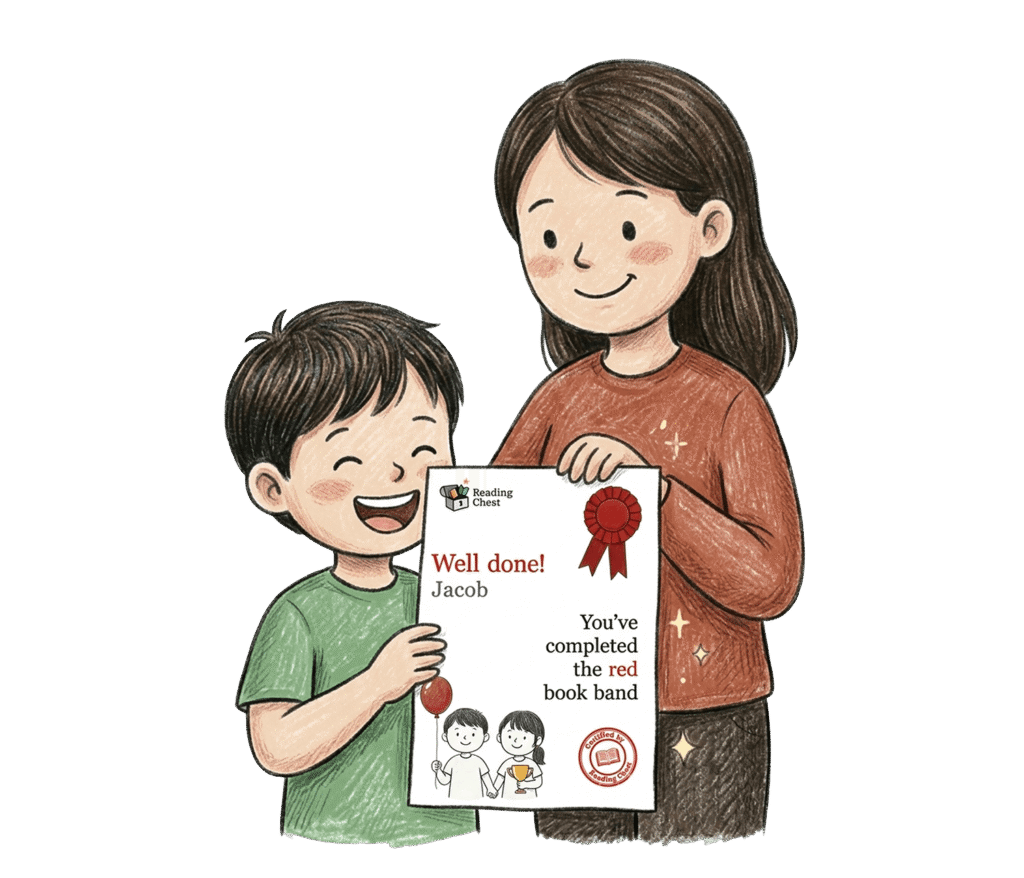
Run a weekly reading award in your own home. Celebrate effort, not perfection — a certificate and a bit of fanfare go a long way.
Goal
Build reading motivation by recognising effort in a fun, low-pressure way — because being noticed for trying is genuinely powerful.
You'll need
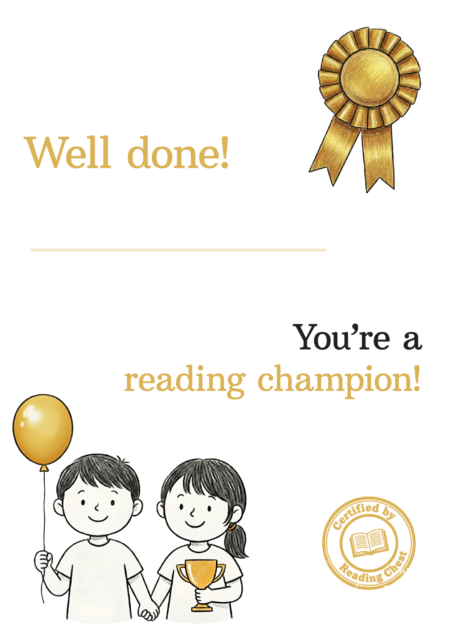
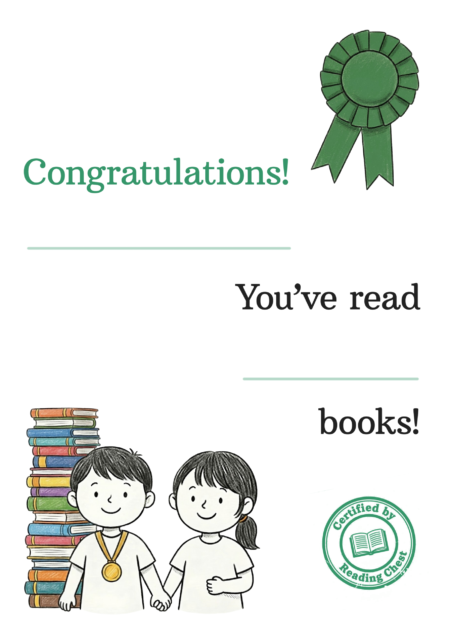
- Reading Champion Certificate or Reading Milestone Certificate
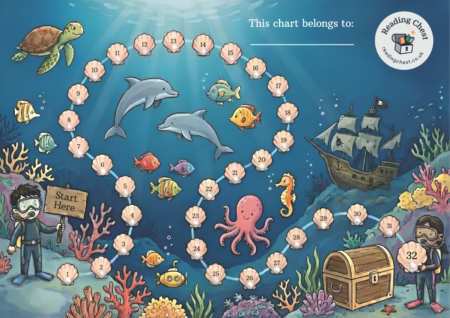
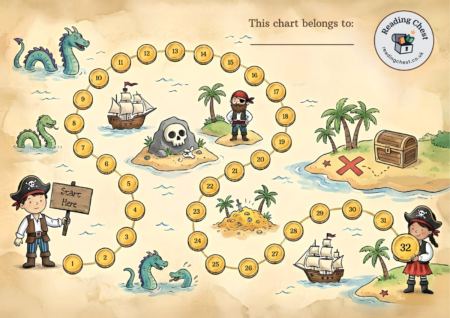
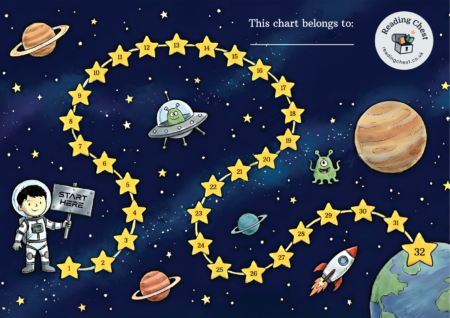
- Star chart (Underwater, Space or Pirate theme)
How to do it
Pick a day each week to announce your "reader of the week". The criteria are up to you — effort, trying a tricky word, finishing a book, or simply having a go on a day when they really didn't want to.
Award a certificate with a bit of ceremony. Make it feel like a proper moment: hand it over, say what they did well, let them display it somewhere. Add stars to the chart as a running record of brilliant reading moments.
Keep it light and rotation-friendly — you don't need a different winner every week. The goal is to make them feel seen for the work they're putting in, not just for being "good at reading".
Grab our resources
Print our reading champion certificate and reading milestone certificate to get started.
Start a simple five-minute daily routine that builds reading confidence—exactly what teachers work towards every single day.
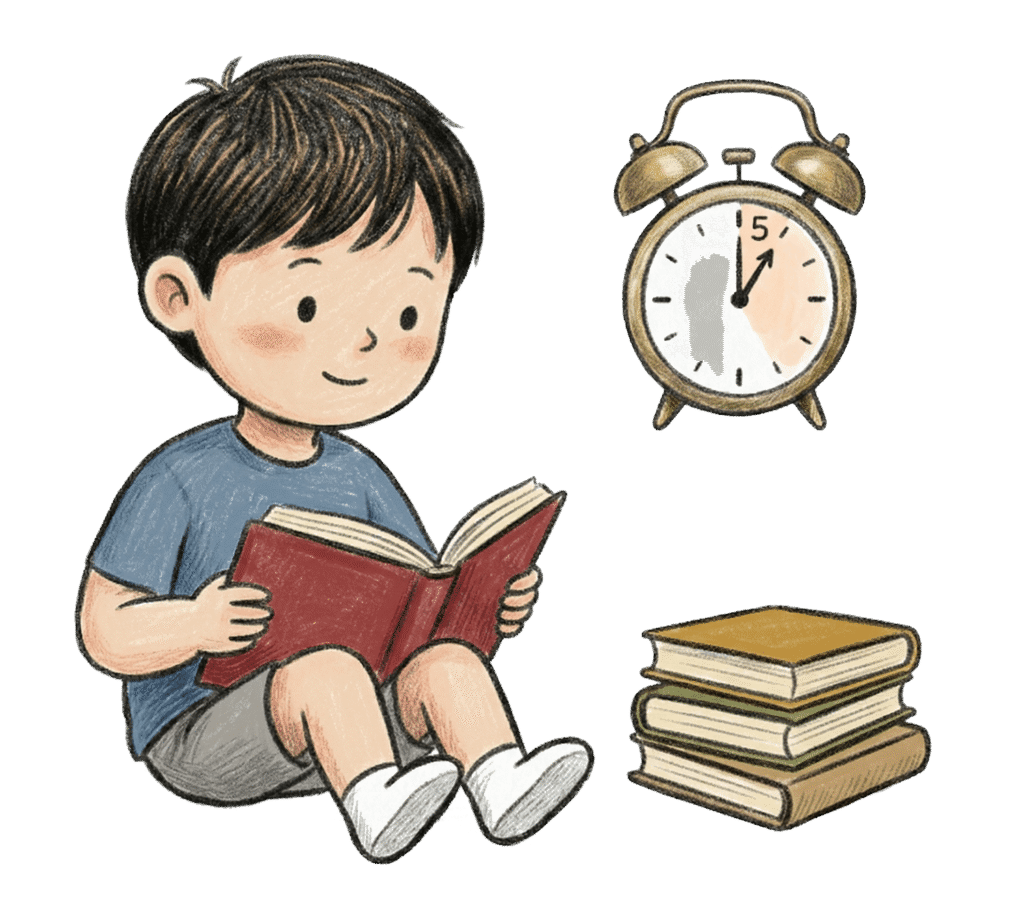
The five-minute reading habit
Five focused minutes with the right book beats an hour of reluctant page-turning. Short daily sessions are where the real progress happens.
Goal
Build confidence and fluency through short, consistent daily reading — because regularity matters more than duration.
You'll need
- A decodable book at the right level
- A comfy spot
- A bit of patience
How to do it
Sit together and read a couple of pages. Let your child point to each word as they sound it out. If they get stuck, give them a moment before you step in — sometimes they just need a second.
When they do need help, try: "Say the sounds, then blend" rather than just saying the word for them. Keep the session upbeat. End it before anyone gets tired.
Five minutes every day adds up to over 30 hours of reading practice in a year. That's not nothing — that's everything. The habit matters more than the duration.
Grab our resources
Our handy star charts are the perfect way to track your daily progress as you tick off those five minute reads!
Simple ways to support your child’s reading at home
You don’t need to be a teacher to support reading at home. Here are straightforward, practical things every parent can do:
Read aloud together every day
Even if your child can read independently, reading aloud remains powerful. It’s where listening comprehension grows, vocabulary expands, and the cosy feeling associated with books deepens. This is something teachers encourage strongly—and it’s one of the best things you can do at home.
Help them sound out tricky words
When your child gets stuck, guide them to “sound it out” using phonics. This reinforces what they’re learning at school in a calm, supportive way. Celebrate the effort—not just the success.
Follow their interests
Teachers know that interest is a massive reading motivator. If your child loves dinosaurs, space, animals, or superheroes, let that drive your book choices. A child who wants to read about something is a child who will tackle harder words to find out more.
Teachers create safe, encouraging reading spaces. You can do the same at home. Avoid pressure, celebrate effort, and keep reading sessions short and enjoyable. If reading starts to feel like homework, take a step back.
A message for World Teachers’ Day
To every teacher who reads aloud with expression, who celebrates reading wins, who stays patient with children learning to decode, and who shows kids that books open worlds—thank you.
You do more than teach reading. You create readers. You build confidence. You light a spark that can last a lifetime. The children who walk out of your classroom believing they can read, that reading is fun, and that stories matter—those children will carry your influence forever.
Parents see it. We see our children racing through books. We see them choosing stories over screens. We see the pure joy on their faces when they finish a book independently. We know where that comes from. It comes from you.
Frequently asked questions
When is World Teachers’ Day?
World Teachers’ Day is celebrated on 5 October every year. It’s a United Nations day dedicated to honouring teachers and recognising their contributions to education worldwide. In the UK, many schools use it as an opportunity to celebrate the teachers in their community.
How can I support my child’s reading at home?
Read aloud together daily, help them sound out tricky words using phonics, let them choose books that interest them, and keep sessions short and positive. Talk about stories after reading. Follow their interests. Most importantly, model reading yourself—let them see you enjoying books. Even ten minutes of calm, happy reading time makes a real difference.
How do I work with my child’s teacher on reading?
Ask about your child’s reading level and what sounds or strategies they’re learning. Request book recommendations that match what they’re doing at school. Share what you’re reading at home. Let the teacher know about any concerns or progress you’re seeing. Good communication between home and school helps everyone support your child better.
What should I tell my child’s teacher about reading at home?
Share what books your child is enjoying, how long they can read for, any tricky areas they’re struggling with, and moments of progress (like reading a whole book independently for the first time). Teachers use this information to understand what’s happening beyond the classroom and adjust their teaching accordingly. Brief notes about reading confidence or concerns are really helpful.
In summary
This World Teachers’ Day, let’s celebrate the teachers who are building our children’s reading confidence, one story at a time. Whether it’s a thank-you card, a reading celebration, or simply keeping the lines of communication open about your child’s reading progress, every gesture of appreciation matters.
And in the weeks and months ahead, keep strengthening that home-school reading partnership. Read together. Talk about books. Support what teachers are doing. Show your child that reading matters both in school and at home.
That’s how we create lifelong readers—together.
