

Contents
May half-term is a tricky week. The weather’s getting warmer, school feels endless, and suddenly it’s holiday time—brief, but long enough to feel like “real” time off.
It’s also perfectly positioned to either help children unwind with stories or turn into a week where reading gets completely forgotten because the sun’s shining and everything else feels more fun.
Here’s the thing: you don’t have to choose. Reading and half-term fun work brilliantly together, especially when you lean into the season and make it low-pressure.
Why half-term reading matters (and why it’s tricky)
After a busy term, children need to unwind. But a full week away from reading can disrupt progress and confidence. The balance is: reading that feels like a holiday activity, not schoolwork continuing at home.

The benefits of reading over half-term
Keeping up with reading during breaks:
- Maintains momentum: A week off doesn’t erase progress, but it can wobble confidence. Light reading keeps children feeling like readers.
- Prevents the post-holiday slump: Children who read over break find it easier to settle back into school reading.
- Provides calm: After a busy term, reading together is quiet, peaceful, and genuinely relaxing for both of you.
- Keeps learning alive: Without being school-like, reading expands vocabulary and imagination.
The challenge: screen time vs reading
Let’s be honest. During half-term, screens feel tempting because you’re tired and children want entertainment. Reading requires more from you—sitting together, reading aloud, or at least being nearby.
The trick isn’t to ban screens entirely. It’s to make reading feel equally appealing. Seasonal books, activities that do something with stories, and low-pressure moments make that happen.
Bite-sized reading tips, straight to your inbox
Get confidence-boosting tips to help your child learn to read. Short, useful, and easy to fit into (real) family life!
Even better? You'll also get 25% off your first month of Reading Chest.
Seasonal stories and activities for May
May is spring at its best—things growing, weather warm, longer daylight. Books that match this season feel naturally right for half-term.
Nature and garden stories
Books about flowers, insects, planting, and growing animals connect beautifully with what children see around them. Stories about minibeasts, caterpillars turning into butterflies, and gardens coming alive resonate in May.
Outdoor adventure books
May weather invites adventure. Books about journeys, exploring, camps, and outdoor expeditions feel seasonally perfect. A story about a camping trip, then a garden camping adventure—the two feed each other.
Lighter, shorter reads
Half-term isn’t the time for heavy chapter books that demand sustained concentration. Poetry, short stories, graphic novels, funny books, and stories that can be read in one or two sittings feel better for the holiday mood.
Check our book bands for seasonal recommendations. You can also ask your librarian for May-themed books—they love seasonal requests.

Creative reading activities for half-term
Storytime picnic
Spring provides the perfect setting for an outdoor storytime experience.
- Plan a picnic in the garden, park, or woodland area: Bring along a cosy blanket, snacks, and a selection of books.
- Let children choose their favourite books to read aloud: Encouraging choice fosters excitement about reading.
- Encourage them to act out scenes from the story: This interactive element makes the experience more engaging and memorable.
Reading treasure hunt
Combine adventure with reading by setting up a book-themed treasure hunt.
- Create a map with reading clues: Clues can be excerpts from books, riddles, or rhyming phrases that lead to hidden books or small prizes.
- Use riddles, poems, or short excerpts from books: Incorporate learning elements into the clues to enhance comprehension.
- Incorporate themes from popular children’s stories: A pirate, detective, or magical adventure theme can make the hunt even more thrilling.
DIY story crafting
Encourage children to become authors and illustrators by crafting their own stories.
- Provide paper, coloured pencils, and stickers for decoration: Let creativity take centre stage.
- Guide them in structuring a simple story: Help them develop a beginning, middle, and end.
- Host a family storytelling session: Children can read their stories aloud, boosting their confidence. They could also write a simple reflection on what they enjoyed about their own creation.
Try these half-term reading activities
Get creative with story starters
This activity is perfect for half-term—brief, no-prep, and works in the garden with a notebook and pencil. It sparks imagination without demanding a full story.
Summer story starter
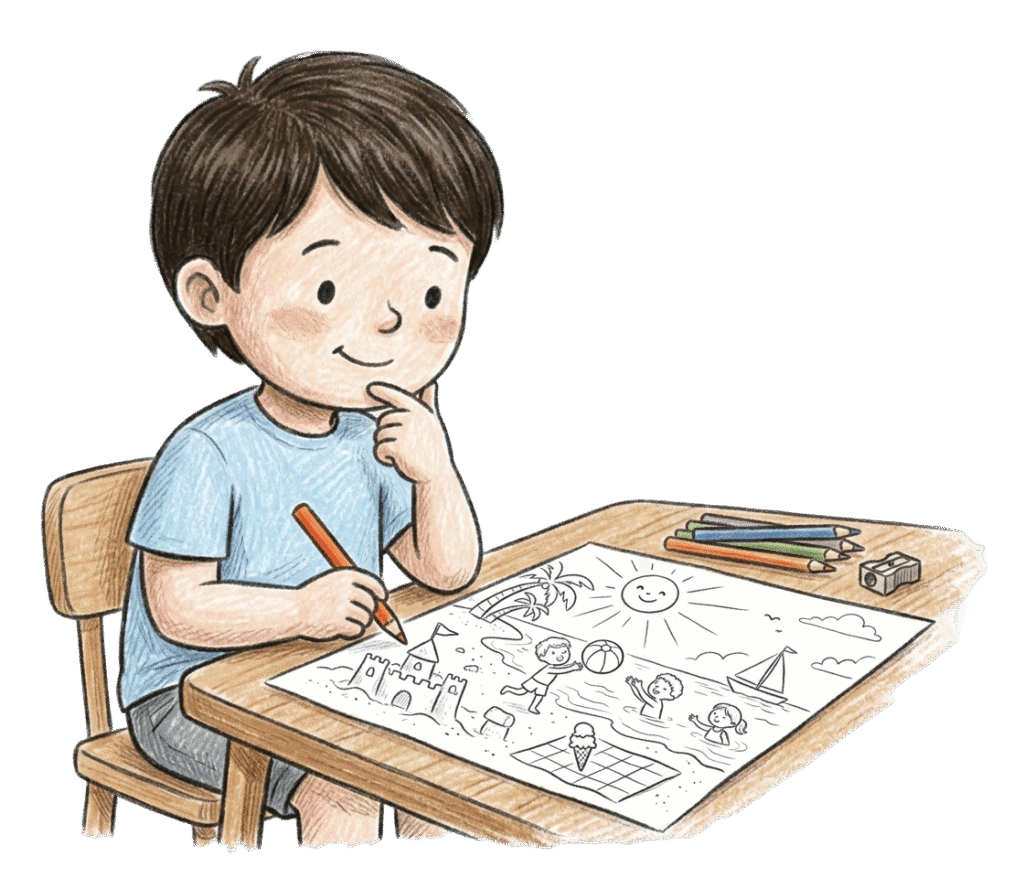
Use the summer colouring sheet as a story prompt — what's happening in the scene? Tell or write a short story about it. Imagination and colour in one go.
Goal
Spark creativity and storytelling using a visual prompt — a picture is a brilliant way in for children who find starting a story hard.
You'll need
- Summer Colouring
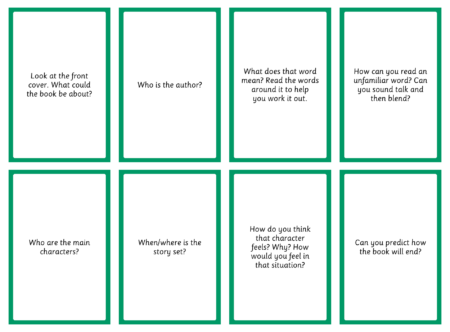
- Reading Prompt Cards
How to do it
Spread out the summer colouring sheet and look at it together. Ask: What's happening here? Who are these people? Where are they going?
Use the reading prompt cards if you need ideas to get started: "What happened just before this picture?" or "What's happening just out of view?" Let them come up with the story — you can prompt, but try not to lead.
Once they've got a story, they can colour the scene to match it while they tell it to you. You can scribe if they want to write it down. Seasonal, open-ended, and genuinely different every time you do it.
Grab our resources
Print our summer colouring and reading prompt cards to get started.

Look deeper at picture clues
Before opening a book, explore the cover together. Predict, wonder, discuss. After reading, revisit those predictions. It’s gentle, builds anticipation, and deepens comprehension.
Picture-cover reading
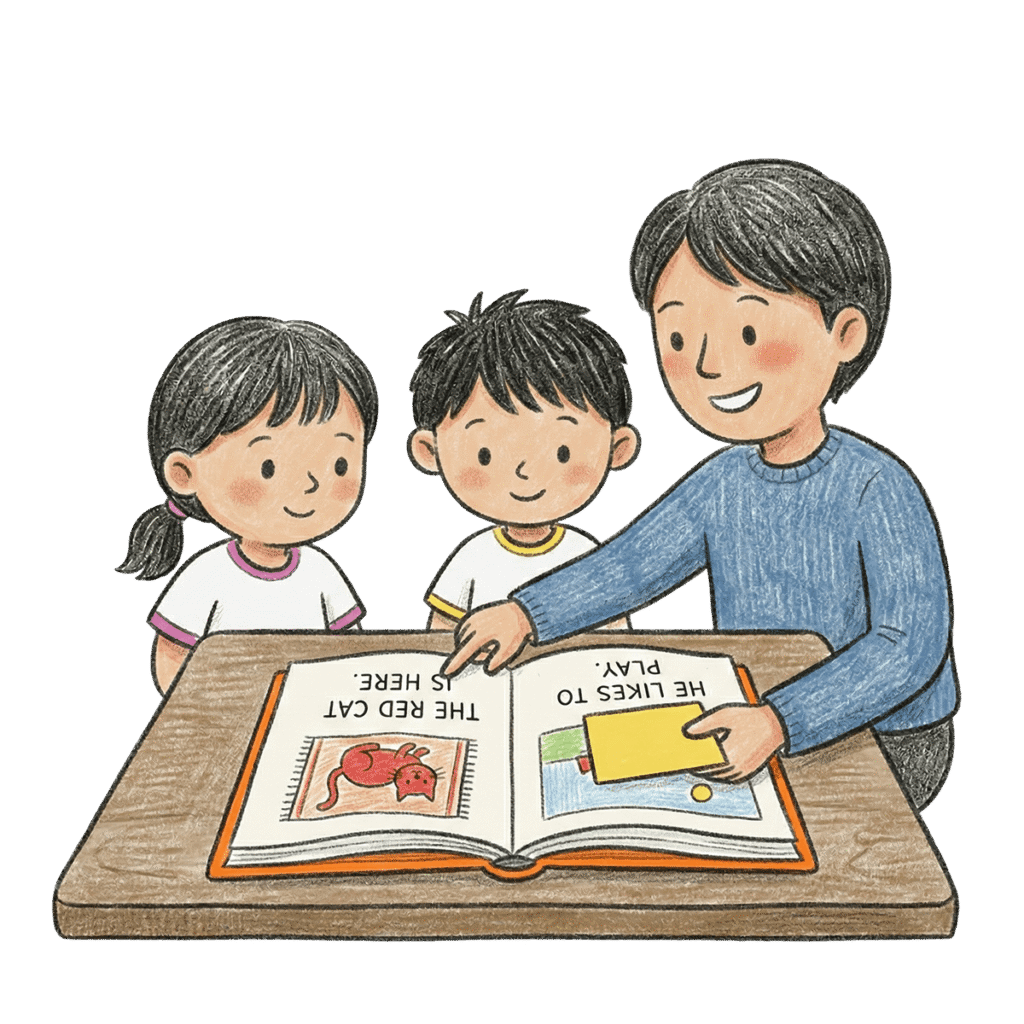
Cover the pictures and read the words first. Then uncover and re-read. It sounds simple — but it makes a real difference to how children approach a page.
Goal
Encourage real decoding rather than guessing from pictures — a habit that pays off as books get harder and illustrations get fewer.
You'll need
- A decodable book
- Two sticky notes
How to do it
Open the book to a page and cover the illustration with a sticky note. Ask your child to read the words first — just the text, no picture clues.
Once they've had a go (stumbles and all), take away the sticky note and re-read the page together with the picture revealed. Talk about what the picture adds. Did it match what they imagined? Did it help them understand anything differently?
This doesn't need to be every page — even doing it once or twice in a session is enough. The goal is to build the habit of trusting the words, not just guessing from the picture. That's a big deal as books get longer.
Grab our resources
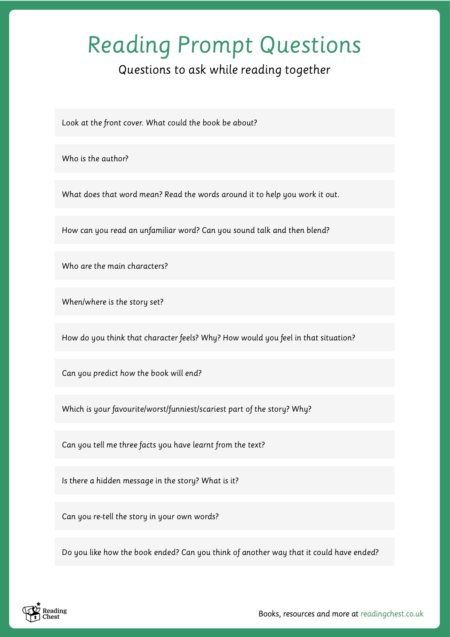
Looking for some help with questions to ask after your reading session? These prompts give you a great starting point.
How to balance reading with other half-term activities
Here’s the honest truth: reading won’t be the only thing your child does in half-term, and it shouldn’t be. But a bit of intentionality helps.
Create natural reading moments
Don’t schedule “reading time”. Instead, create moments where reading fits naturally:
- Before outdoor play starts—grab a quick story
- After a noisy activity—reading is a calming transition
- While waiting (for a lift to be ready, for siblings, before lunch)
- On rainy moments (and May has some)
Make reading a choice, not a rule
Children are more likely to choose reading if it feels appealing, not compulsory. Keep books visible, interesting, and varied. Let them choose more freely. Skip books that aren’t working.
Be realistic about “learning slumps”
Some children will lose a tiny bit of fluency over a week away from school. That’s completely normal. It returns quickly once they’re back. Don’t panic or try to prevent it by turning half-term into extra lessons at home. That defeats the purpose of a break.
A child who reads one book over half-term, purely for pleasure, learns more about loving reading than a child who’s drilled through five levels. Confidence matters more than progress during breaks.
Frequently asked questions
How do I keep my child reading over half-term?
Don’t force it. Instead, make reading appealing: choose seasonal books, let them pick what to read, make it a shared activity, and find natural moments (before play, waiting, rainy moments) rather than scheduling “reading time”. Reading that feels like play sticks.
What books are good for May half-term?
Look for nature stories, adventure books, shorter reads, and funny stories—anything that matches the season or your child’s current interests. Shorter books feel achievable during a week off. Check your book band for seasonal recommendations, or ask your librarian for May-themed picks.
How long should children read over the holidays?
There’s no magic number. Some children will want to read for twenty minutes; others will prefer a few pages. The goal isn’t quantity—it’s keeping reading a normal part of the week. One book over five days beats nothing at all. Let it be light and pressure-free.
What if my child just wants to watch TV in half-term?
First, that’s normal. Second, you don’t have to choose—both can happen. But if reading completely disappears, try: letting them choose books about their TV interests, reading aloud whilst they do something else nearby, or making reading fun with activities and outdoor reading. Sometimes a shift in context (books in the garden instead of by bedtime) reignites interest.
How Reading Chest supports half-term reading
Keeping children engaged in reading is easier with access to a variety of books. Reading Chest offers:
- Levelled books: Select books suited to your child’s reading ability.
- Flexible subscriptions: Swap books as often as needed.
- A diverse selection of books to match different interests and seasonal themes.
By making reading an integral part of the May half-term holiday, parents can help children develop a lasting love for books. Whether through outdoor reading picnics, creative storytelling, or interactive reading activities, there are plenty of ways to keep children engaged—without it feeling like school.
Make half-term reading a pleasure, not a chore
May half-term is brief, warm, and a perfect time to read for sheer joy rather than progress. Seasonal books, outdoor stories, interactive activities, and low pressure create the magic. Your child will read. They’ll also play, rest, be bored for a bit, and recharge before heading back.
That’s exactly what a half-term break should be.
