Contents
National Writing Day (June, UK) is perfect timing for celebrating something that often gets forgotten: good writing usually starts with good reading. When children read lots, they see how stories work. They pick up new words and ideas. And when they write, they’ve got all that inside them, ready to spill onto the page.
So this National Writing Day, the best thing you can do isn’t to force your child to sit at a desk with a blank page. It’s to remind them that reading and writing are connected—and that their own words matter.
Here’s how to make that connection real in your home.
How reading feeds writing
There’s a reason children who read widely tend to be better writers. Reading isn’t just practice—it’s inspiration, vocabulary, ideas, and proof that stories work.
- Vocabulary grows: Every book is a vocabulary lesson. Words children see while reading become words they use in their own writing.
- Story structure sinks in: After hearing lots of stories, children start to understand how they work: beginning, middle, end. Danger and rescue. Funny bits. That knowledge goes into their own writing.
- Characters come alive: Reading about interesting characters shows children how to make their own characters feel real and interesting.
- Writing feels possible: A child who’s read lots of books thinks, “People write stories. Maybe I can too.” That confidence is everything.
Bite-sized reading tips, straight to your inbox
Get confidence-boosting tips to help your child learn to read. Short, useful, and easy to fit into (real) family life!
Even better? You'll also get 25% off your first month of Reading Chest.
Fun activities connecting reading and writing
Write a review
After finishing a book, ask: “What did you love? What would you change? Would you tell a friend to read it?” Let them write (or draw, or dictate) their thoughts. That’s a real review.
Rewrite the ending
Take a story your child knows and loved—and ask, “What if the ending was different? What would you choose?” Let them write their own version. No right or wrong, just their imagination on the page.
Write from a character’s view
A diary entry from the main character’s perspective. A letter they’d write. A conversation they’d have with another character. It’s creative writing that’s rooted in a story they know.
Create a character
After reading, ask: “If you invented a character for this story, what would they be like? What would their name be? What would they do?” Let them write or draw that character into being.

Low-pressure writing ideas
The best writing happens when there’s no pressure. Here are some gentle entry points:
- Short and silly: A two-sentence story. A funny dialogue. A “what if” that makes no sense. Lightness invites creativity.
- Illustrate it: Some children want to draw more than write. Let them. Drawing and writing together is powerful.
- Collaborative stories: You write a sentence, they write a sentence. You’re building something together, so there’s no pressure on them alone.
- Story starters: Sometimes a blank page is terrifying. “One day, a purple elephant…” or “The secret was hidden in…” gives them something to work with.
- No editing, not yet: First drafts should be messy and honest. Corrections can come later—if at all. For National Writing Day, the goal is confidence, not perfection.
Reluctant writers sometimes feel safer writing about things they love. If your child adores dinosaurs, sharks, or dancing, let them write about that. Interest matters more than topic.
Building a reading-writing habit
National Writing Day is a celebration, but the real magic happens when reading and writing are regular parts of your child’s life.
Read together, talk about words
When you read aloud, pause sometimes: “That’s a great word. I wonder why the author used it.” Not a lesson, just noticing.
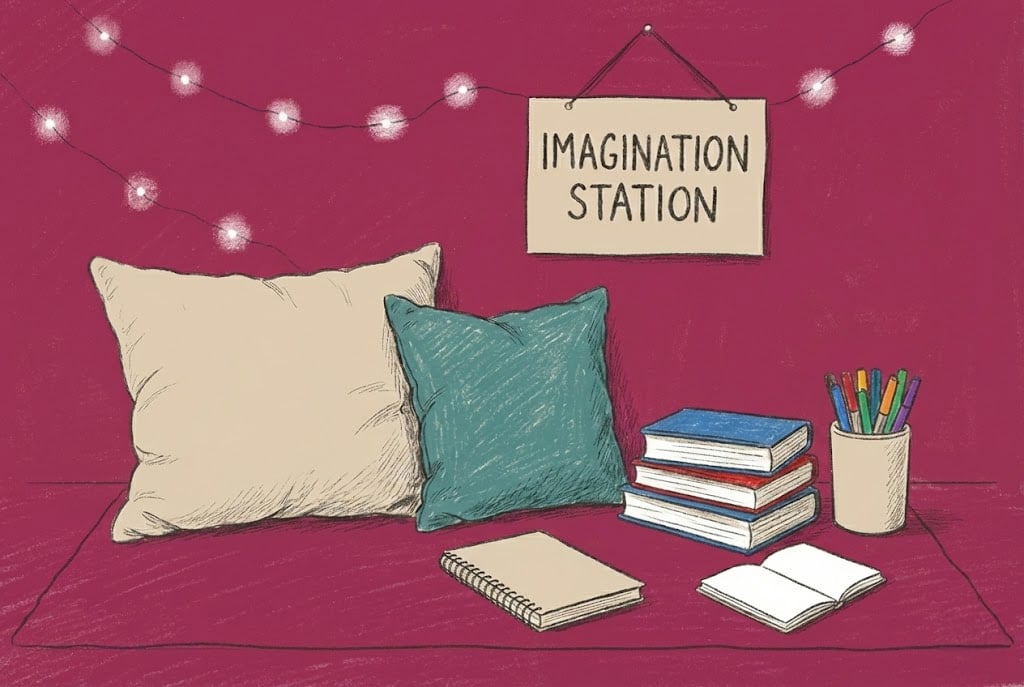
Create a writing corner
Somewhere with books, paper, pencils, and permission to experiment. Not a homework desk, a creativity space. A child’s books should be visible so writing ideas spark from them.
Read your child’s writing aloud
If they’ve written something, read it back to them with respect and enthusiasm. That voice—hearing their own words out loud—builds confidence.
Getting started with writing activities
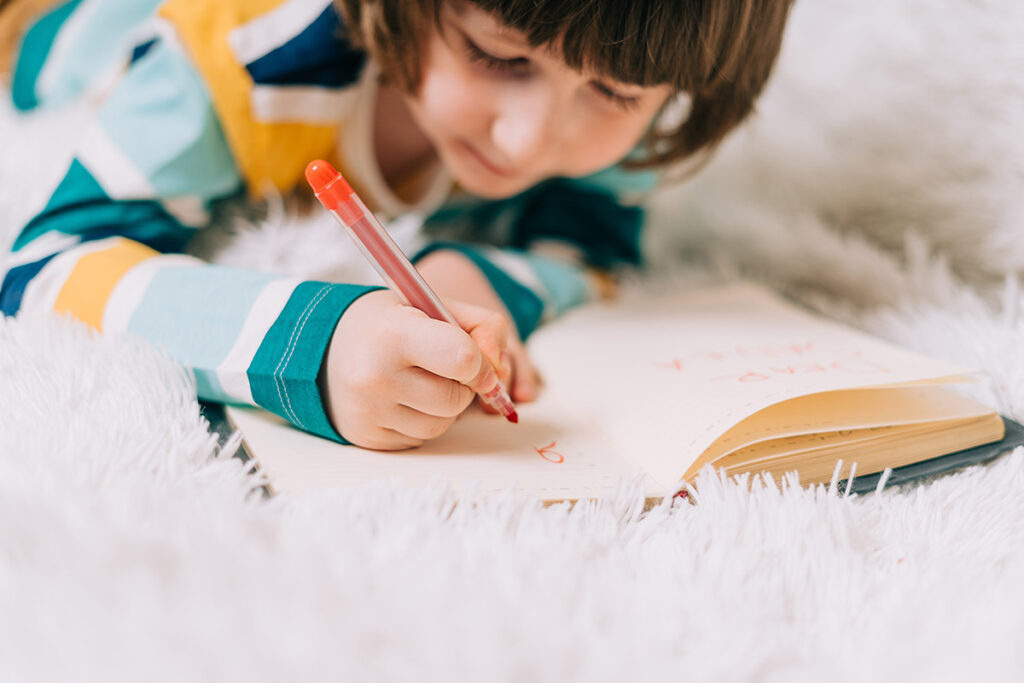
This activity is perfect for turning reading into writing. Your child picks a book and creates their own review.
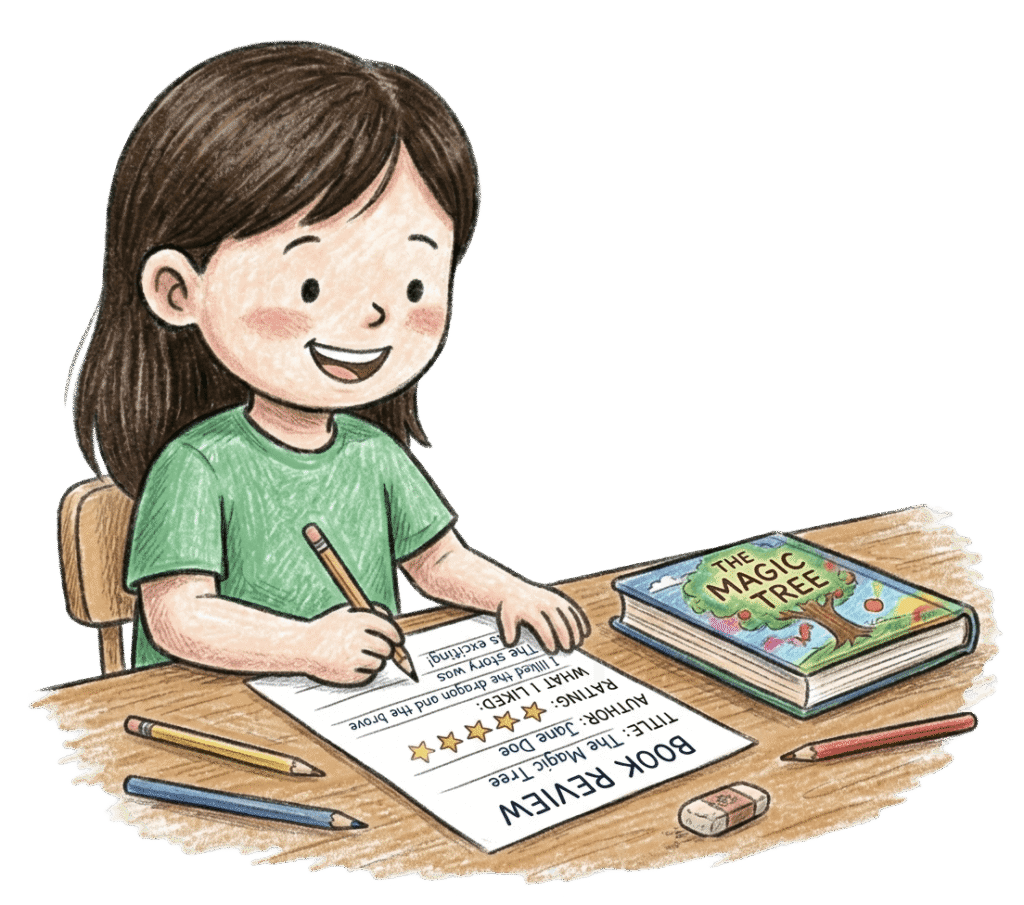
Write a book review
Fill in a short review while the book is still fresh — favourite moments, characters, whether they'd recommend it. Turns opinion into words.
Goal
Help your child organise their thoughts about a book and practise putting opinions into words — a skill that gets easier every time you do it.
You'll need
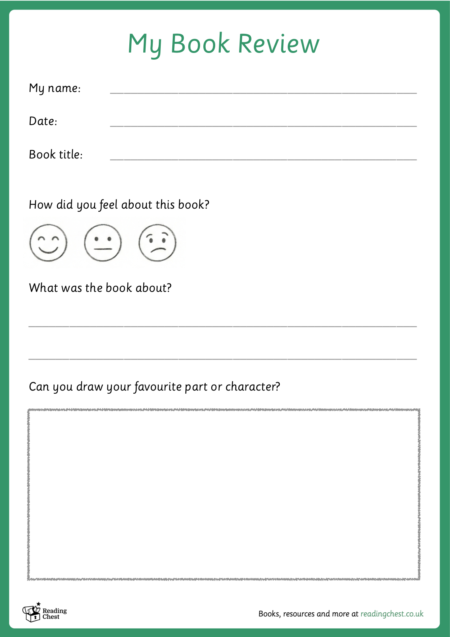
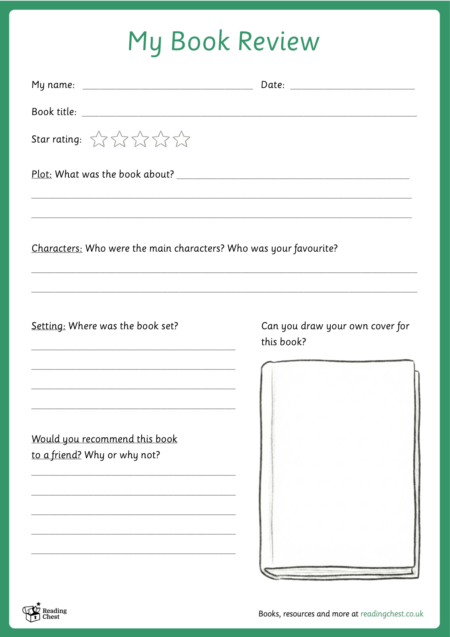
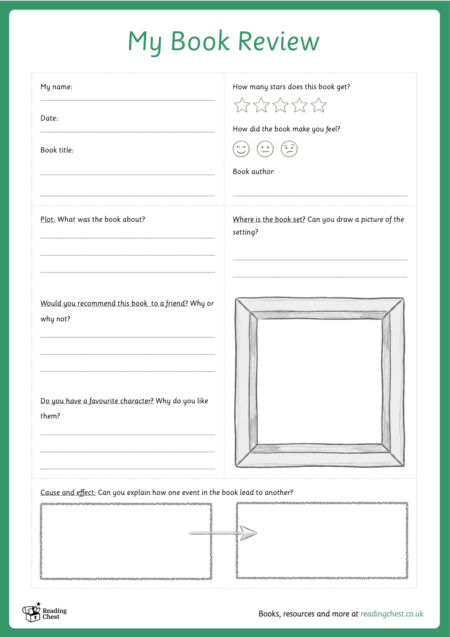
- Beginner, Intermediate or Advanced Book Review template — pick the right one for your child
- A book they've just finished
- Pencil and colouring pens
How to do it
Choose the right template — beginner for younger or less confident writers, advanced for those who have plenty to say. Sit down together soon after they've finished the book, while it's all still clear in their mind.
Go through the review together rather than leaving them to fill it in alone. Ask the questions out loud first: "What was your favourite bit? Who was your favourite character? Would you tell a friend to read it?" Let them answer verbally, then help them put the answer into the box.
The goal isn't a perfectly written review — it's the habit of thinking carefully about a book and forming an opinion. That habit, practised regularly, builds real readers.
Grab our resources
We have beginner, intermediate and advanced book review templates — pick the one that matches your child's confidence and let them share their thoughts.
Or try this one to help children reimagine a story they’ve read and loved.
Rewrite the ending
What if the story had ended differently? Talk it through, then invent a new ending. Encourages real thinking about plot, character and consequence.
Goal
Strengthen understanding of how stories work — and give children permission to play with them, not just receive them.
You'll need
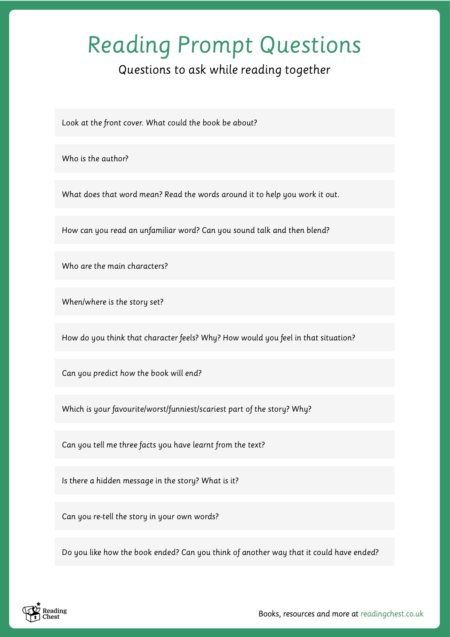
- Reading Prompt Questions
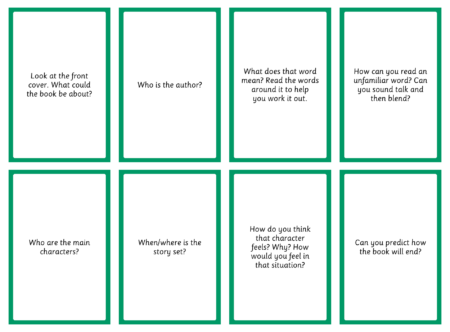
- Reading Prompt Cards
- A finished book to discuss
How to do it
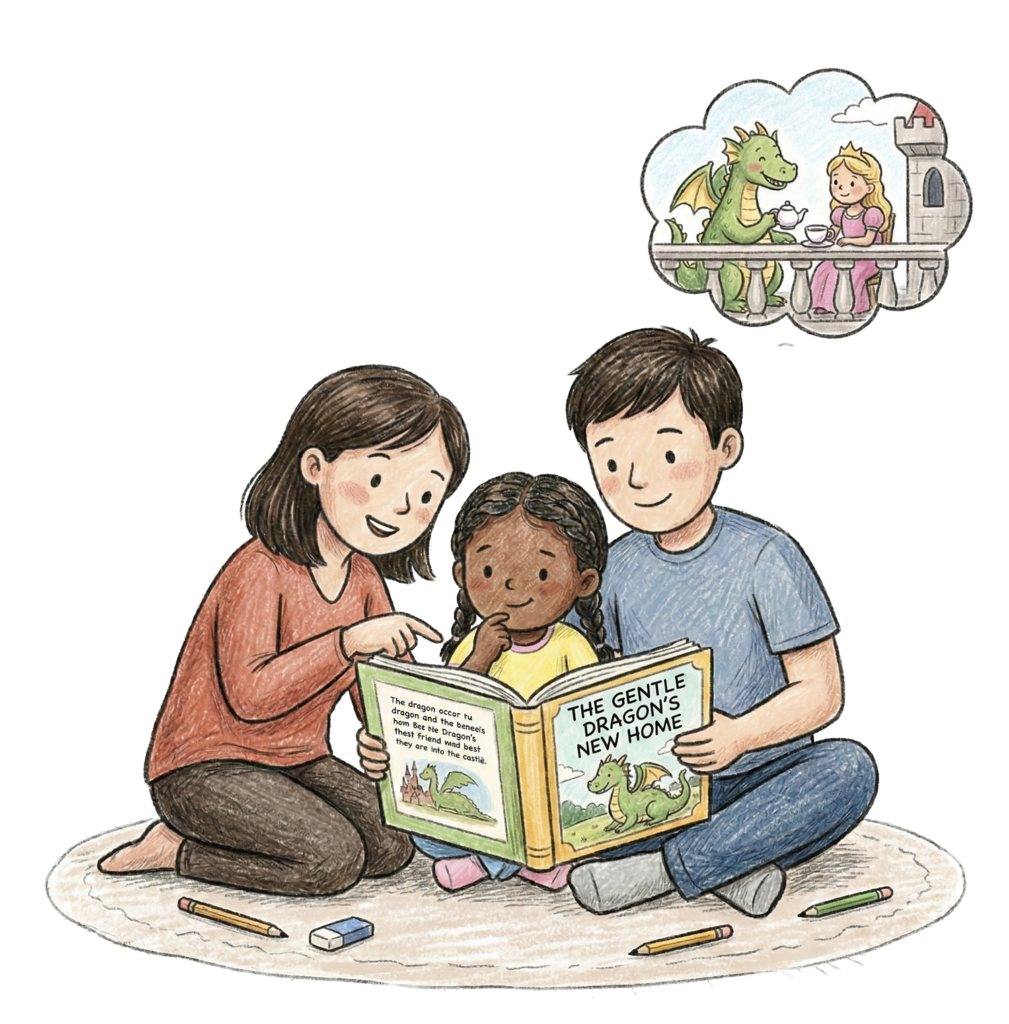
When your child has finished a book, ask: "What if the ending had been different?" Could the character have made another choice? What might have happened next if things had gone the other way?
Use the prompt questions and cards to get the conversation going. Then let them invent a new ending — they can tell it out loud, draw it, or dictate it while you scribe. No pressure to write it themselves.
Talk about how their ending changes things: Is it better? More satisfying? Funnier? Sadder? There's no wrong answer — the thinking is the point. This is the kind of conversation that turns readers into people who really think about books.
Grab our resources
Our reading prompt questions and reading prompt cards are ideal for this — they'll help you and your child explore "what if" ideas together.
Frequently asked questions
When is National Writing Day?
National Writing Day is celebrated in June each year in the UK. It’s a day to celebrate writing in all its forms—stories, poetry, journals, reviews, letters—and to encourage people (especially children) to pick up a pen and give it a go.
How does writing help children’s reading?
When children write, they’re thinking about how words work, how sentences fit together, and how to convey ideas. That understanding makes reading deeper. They start noticing author choices they didn’t see before. Reading and writing lift each other up.
How do I encourage a child who doesn’t like writing?
Start small. Two sentences, not two pages. Let them draw as much as they write. Build from books they love. Avoid making it feel like school or homework. And never pressure them to show you if they’re not ready. Some children need lots of time before they’re confident writing in front of others.
What can children write for National Writing Day?
Anything. A story, a poem, a silly sentence, a list, a diary entry, a drawing with labels, a comic strip, a letter to a character, a review of their favourite book. There’s no right format. The goal is to show that their words matter.
National Writing Day is a reminder that every child has stories inside them. Reading plants those stories. Writing lets them grow. The two are inseparable.
Browse our book collection for stories that might just spark your child’s next brilliant idea.
