Contents
Reading for pleasure — freely chosen reading, done for enjoyment rather than because it’s been assigned — is one of the strongest predictors of academic achievement across all subjects, not just literacy. Children who read for pleasure consistently outperform their peers, year after year, regardless of background.
That finding is not new. What’s changed is how clearly the research has been able to demonstrate it. And yet pleasure reading is the thing most school curricula have the least time to develop. That makes what happens at home genuinely important — not as a nice supplement to school, but as a crucial part of the picture.
What reading for pleasure means
Reading for pleasure doesn’t mean easy reading, or fluffy reading, or reading that has no educational value. It means reading that the child has chosen, is genuinely interested in, and is doing because they want to. A child reading a detailed book about sharks because they’re obsessed with marine biology is reading for pleasure. So is a child reading the same funny series for the fourth time.
The “chosen freely” element is important. Reading that’s assigned, tested, or accompanied by a worksheet is a different cognitive and emotional experience, even if the text is the same. Pleasure reading happens when the child is in control.
Bite-sized reading tips, straight to your inbox
Get confidence-boosting tips to help your child learn to read. Short, useful, and easy to fit into (real) family life!
Even better? You'll also get 30% off your first month of Reading Chest.
Why it matters so much
The evidence base for reading for pleasure is extensive and consistent. Children who read for pleasure:
- Have larger vocabularies — reading is the primary way children encounter words that don’t appear in everyday conversation. Academic vocabulary, domain-specific vocabulary, the kind of language that shows up in secondary school exams — it comes from books.
- Perform better across all subjects — not just in English. The PISA data shows reading for pleasure correlates more strongly with academic achievement than socioeconomic status in many contexts.
- Have stronger comprehension skills — the ability to hold complex information in mind, track multiple narrative threads, and make inferences about meaning all develop through extended reading.
- Develop greater empathy — reading fiction in particular builds the ability to understand perspectives other than your own. This has been demonstrated in research with both children and adults.
- Tend to become better writers — children who read widely absorb the rhythms of language, sentence structures, and ways of organising ideas, which feeds directly into writing.
The compound effect is also worth noting. Children who read for pleasure become better readers, which makes reading more enjoyable, which leads to more reading. The gains stack up over time in a way that’s hard to replicate through any other single intervention.
The bridge from learning to read to reading to learn
There’s a point in every child’s reading journey — roughly mid-primary — where the focus shifts. In the early years, the challenge is cracking the code: learning what sounds letters represent, blending them into words, building fluency. But from around Year 3 onwards, reading starts to be a tool for learning rather than just a skill being acquired.
Pleasure reading is the bridge. Children who read widely for enjoyment in Key Stage 1 arrive at Key Stage 2 with the fluency, vocabulary, and reading stamina that makes the transition to content-heavy school reading easier.
Children who haven’t built that foundation find secondary school reading — history textbooks, science reports, exam questions — significantly harder.
How to cultivate a love of reading
The most important thing is to let children choose. A child who’s reading something you consider too easy, too silly, or too far removed from what you’d call “proper literature” is still reading — and the benefits of reading for pleasure depend on the child being genuinely engaged, not on the perceived quality of the text. Captain Underpants builds reading stamina. Football fact books build vocabulary. Series books build the reading habit through predictable structure and beloved characters.
Following your child’s interests is often the fastest route. A child who loves space will read space books if you put them in front of them. A child obsessed with football will read match reports, player biographies, and football fiction. Start there, not with what you think they should want to read.
Other things that make a difference:
- Read aloud, even past the stage where children can read independently. Being read to is a different experience from reading alone — you can access more complex texts, you don’t have to manage the decoding, and the shared experience of a story is something children genuinely value.
- Have books visible and accessible. Books in bedrooms, books in the car, books in waiting rooms. The barrier to starting a book should be zero.
- Model reading yourself. Children who see adults reading regularly absorb the message that reading is something people do for pleasure, not just for homework.
- Use a library or book subscription to keep things fresh. Running out of new books to read is one of the most common reasons children’s reading habits stall. Having a regular source of new books — whether from the library, school book loans, or a service like Reading Chest — maintains momentum.
When children go off reading
Most children go through phases where they resist reading. This often happens around Year 3 or Year 4, when early chapter books suddenly feel babyish but longer chapter books feel daunting, and when other interests (screens, sports, social life) start competing for attention.
The response that tends to work best is not pressure. Pressure turns reading into a battleground, which poisons the association between books and enjoyment. Instead: back off on assigned reading, double down on reading aloud together, find the topic that hooks them, and wait. Most children who go off reading come back to it when they find the right book.
This activity makes a cosy reading space that children often love — it works especially well for children who need reading to feel like a treat rather than a task:
The reading den build
Build a proper blanket den, decorate it with colouring, hang up a certificate, and curl up inside with a book. Reading as an event, not a chore.
Goal
Create a reading space that feels special — because the right environment makes a real difference to how children feel about sitting down with a book.
You'll need
- Autumn Colouring
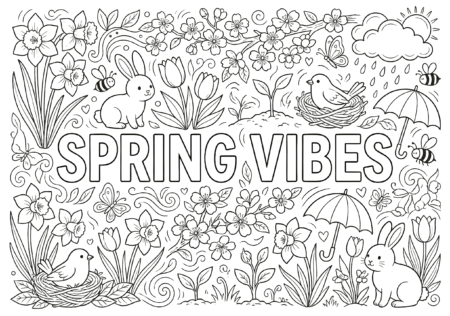
- Spring Colouring
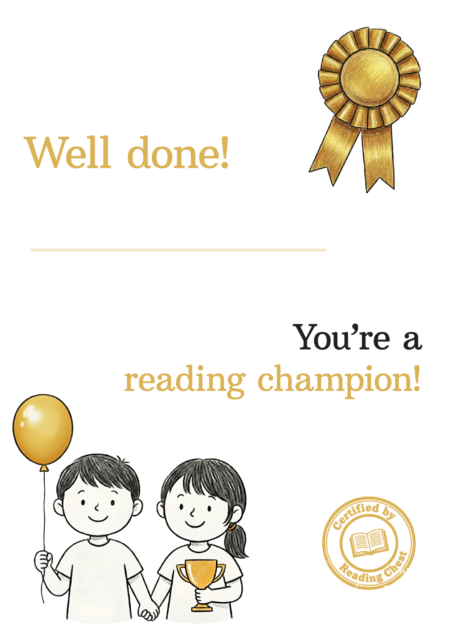
- Reading Champion Certificate
How to do it
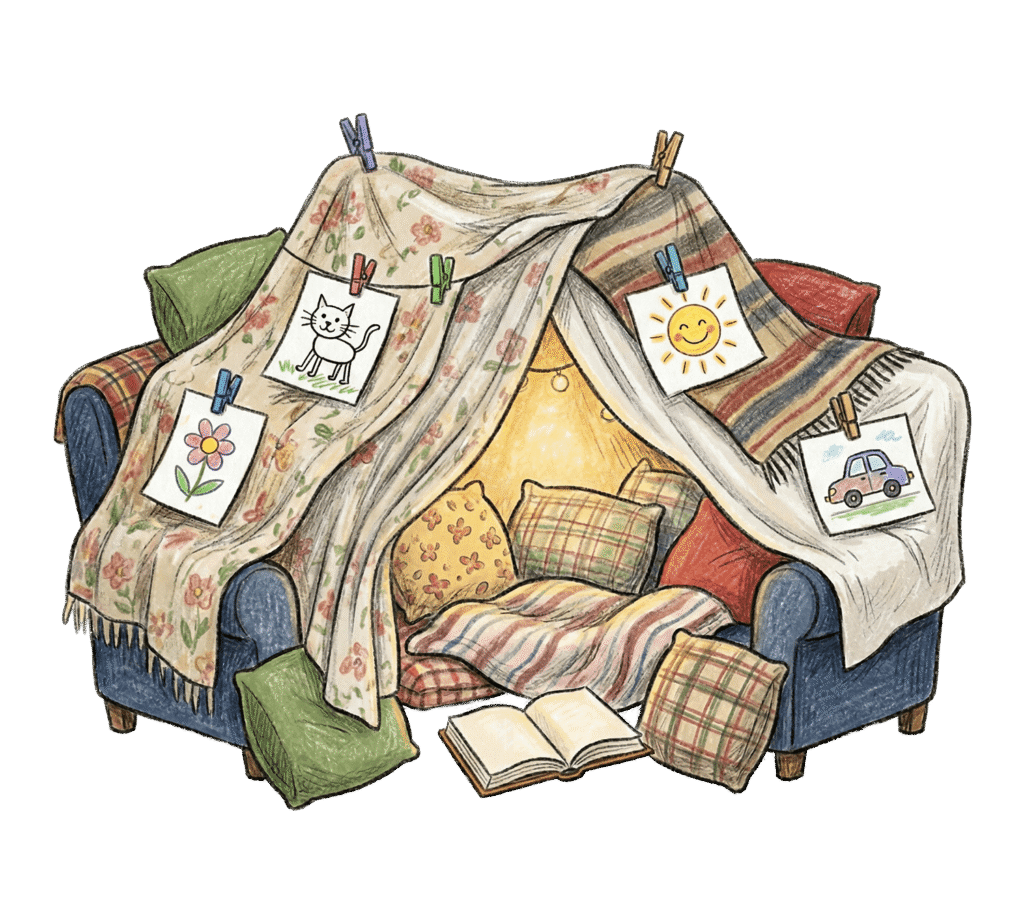
Drape blankets over chairs and a sofa to make a proper den. Cushions inside. Hang the autumn or spring colouring pages on the inside walls — clip them to the blankets with pegs or tuck them in.
Print the reading champion certificate and display it prominently. Add a reading light if you have one, or a torch. Gather books, a bookmark, maybe a snack. Make it feel like somewhere worth being.
Then get in and read. The den doesn't need to last beyond the session — but turning reading into an occasion is one of the most effective things you can do for a child who's a bit resistant. It's hard to be grumpy about reading when you're in a fort.
Grab our resources
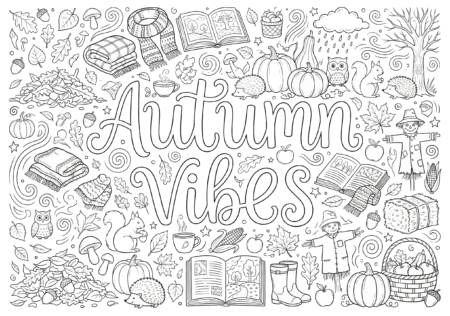
Print our autumn, spring, or any other colouring to get started.
And this one is great for children who respond to creative engagement with books rather than just reading straight through:
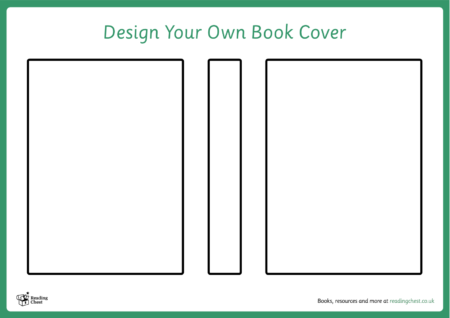
Create a new book cover
What if your child was the illustrator? Redesign the cover of a favourite book — and have a proper conversation about what to put on it.
Goal
Build comprehension and creative thinking by asking: what matters most about this story, and how would you show that to someone who hasn't read it?
You'll need
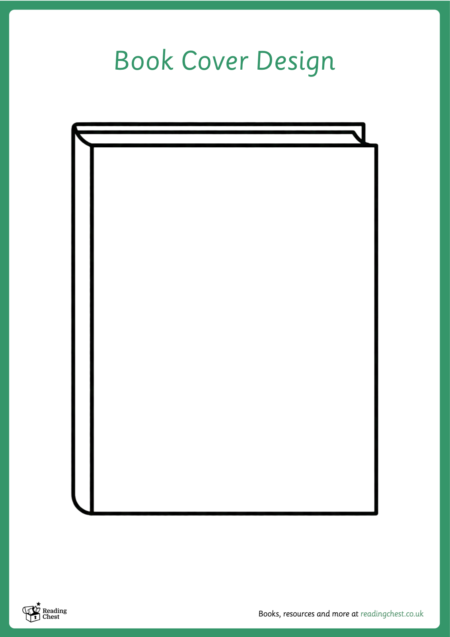
- Book Cover Template or Book Jacket Template
- Colouring pens or pencils
- A favourite book for inspiration
How to do it
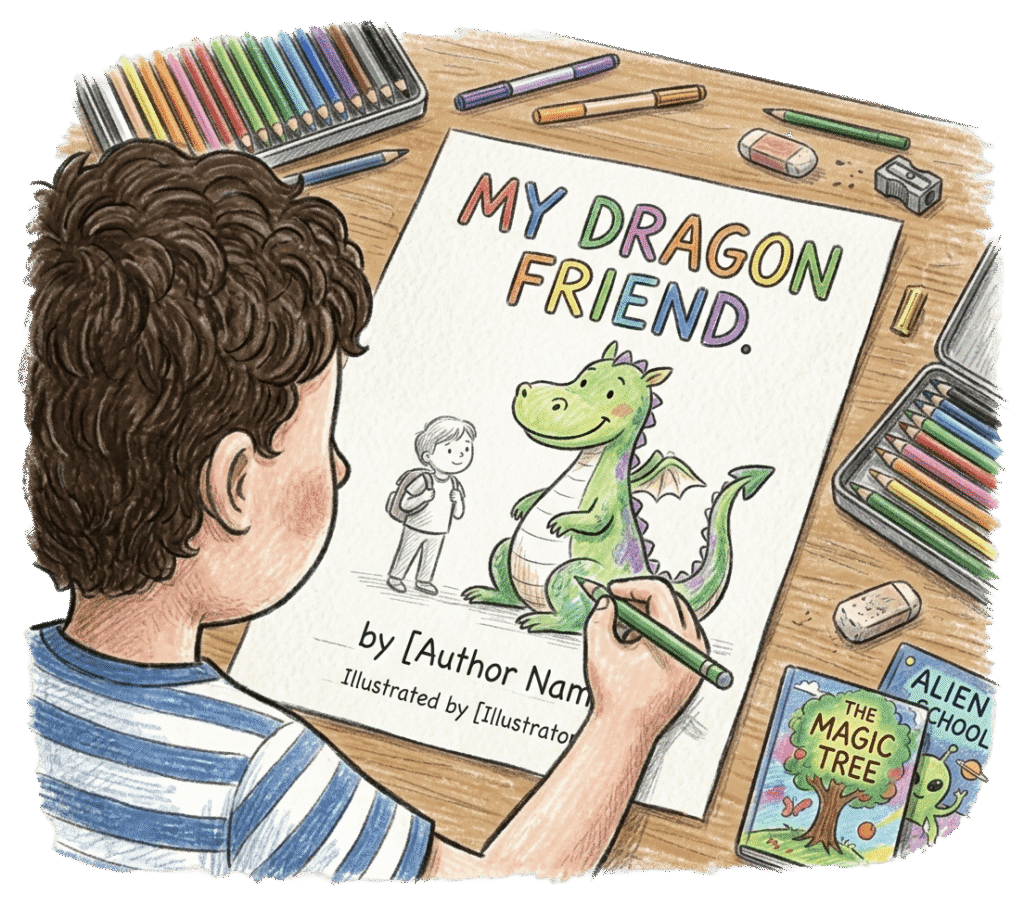
Pick a book your child knows well. Chat about what they'd put on the cover if they were the illustrator — who's the main character? What's the most important moment? What would the title look like?
Then hand them the template and let them get on with it. Try not to hover too much — this is their vision. You can ask questions, but let them lead: "Why did you choose that?" is more useful than "What about adding...?"
When they're done, compare it to the real cover. What's the same? What's different? There's no right answer — but the conversation is gold.
Grab our resources
Print our book cover template or book jacket template — both work brilliantly for this activity, so pick the one that suits your child's age and enthusiasm.
Frequently asked questions
Does reading for pleasure include audiobooks?
Yes. Listening to a story engages comprehension, vocabulary, and imagination in very similar ways to reading print. For children who find decoding effortful, audiobooks can actually provide a richer language experience because the cognitive load is removed. There’s no evidence that audiobooks undermine print reading development — they complement it. If your child loves audiobooks, that’s reading for pleasure.
My child will only read comics and graphic novels — does that count?
Absolutely. Comics and graphic novels require significant reading comprehension — visual-verbal integration, inference, understanding of narrative sequencing — and they build reading stamina and enthusiasm. Many children who resist prose books are enthusiastic graphic novel readers. That engagement is valuable, and the skills transfer. The goal is a child who reads; the format matters much less than the habit.
Is non-fiction reading as good as fiction for reading for pleasure?
Yes — though they develop slightly different skills. Fiction is particularly associated with vocabulary acquisition, narrative comprehension, and empathy development. Non-fiction builds knowledge, subject-specific vocabulary, and the ability to extract information from text. Both matter. Many children who resist fiction will happily read non-fiction on topics they love — and that reading still counts, fully.
How much reading for pleasure is enough?
The research suggests that even modest amounts of daily reading — 15–20 minutes — produce measurable benefits over time. The key is consistency rather than marathon sessions: a child who reads for 15 minutes every day will build stronger reading skills than a child who reads for two hours every Saturday. If it’s genuinely enjoyable, the duration tends to take care of itself.
