Contents
The Year 1 Phonics Screening Check is a short phonics assessment every child in Year 1 in England takes in June. In around five minutes, they read 40 words aloud — half real, half made-up — to show how well they can decode written sounds. That’s it.
Here’s everything you need to know: what the check involves, a free online tool to help your child practice, what the pass mark actually means, and how to help your child feel ready without turning it into a “thing”.
What is the Phonics Screening Check?
It’s an assessment introduced by the Department for Education in 2012, as part of a national commitment to phonics teaching in primary schools. Every child in Year 1 at a state-funded school in England takes it, usually in June.
The purpose is straightforward: to find out whether each child has a secure grasp of decoding words with phonics. Schools use the results to identify children who might need extra support before they move into Year 2.
What does the check involve?
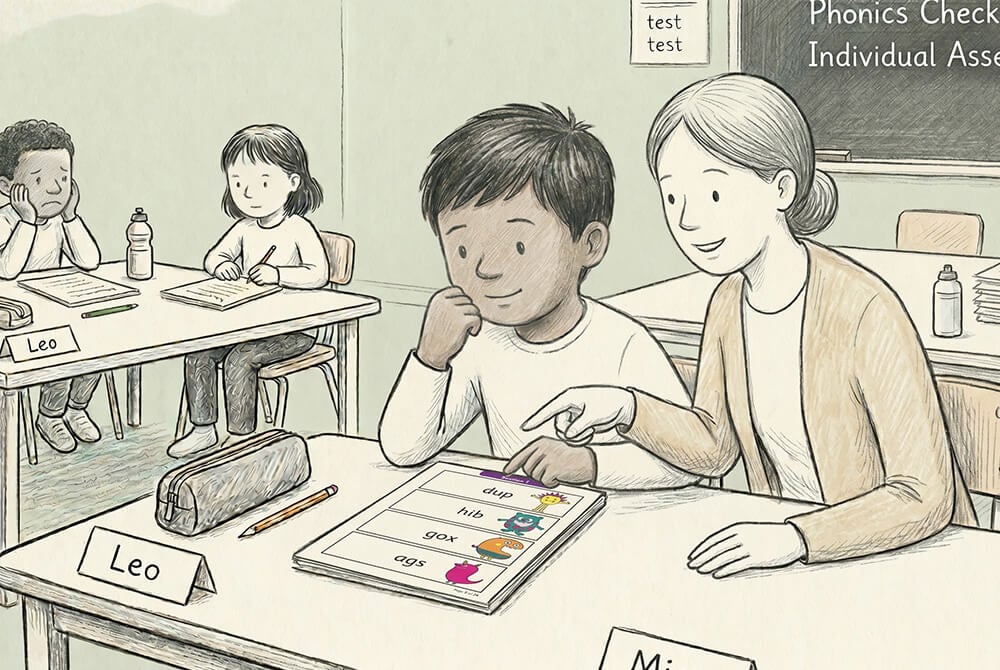
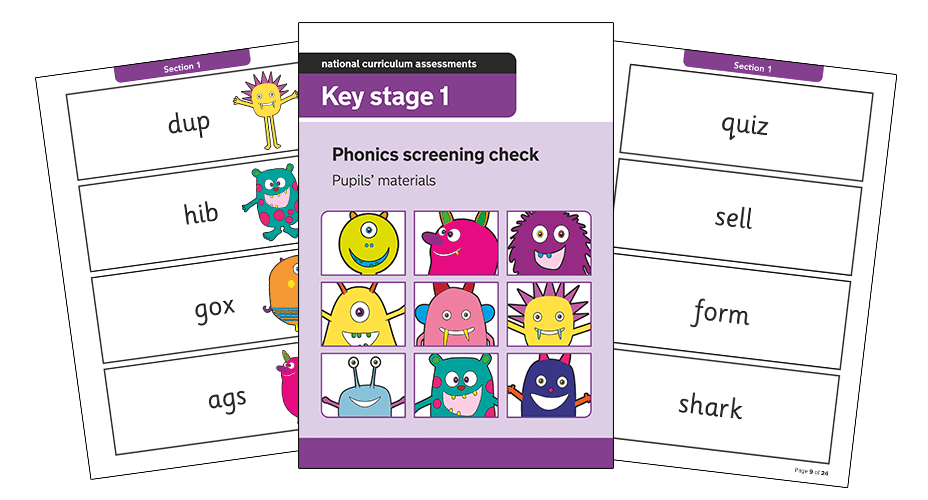
Your child sits one-to-one with their teacher or a teaching assistant in a quiet space and reads through a small booklet. There are 40 words altogether, split into four columns of ten. The words increase in complexity as the booklet progresses.
Real words
Twenty of the words are genuine English words — things your child may or may not have seen before, ranging from simple CVC words like vet to longer patterns like sprint or screech. These test whether a child can apply their phonics knowledge to recognisable vocabulary.
Examples of real words used from the last few years are: shed, chess, quilt, theme, craft, orbits, smoother, quiz, shark, statue, counter, grateful, shin, chill, dolphin, and crackers.
Pseudo-words (alien words)
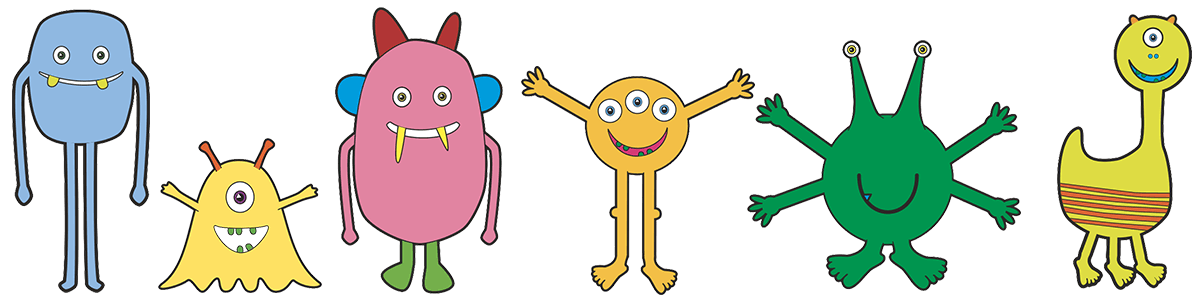
The other twenty are invented nonsense words that look like they could be English but aren’t — something like strom, veck, or flaish. Each one appears next to a small cartoon alien in the booklet, which signals to the child: this is a made-up alien word, not a real one.
Examples of made-up words used from the last few years are: ips, jad, qued, shars, veest, crort, phime, gloast, scrant, dup, gox, phope, thresk, strume, nop, froast, and sprace.
Why include made-up words? Because they’re the fairest test of pure decoding. A child who has memorised the word dog by sight will read it correctly regardless of their phonics knowledge. But drog? You can only read that if you can actually blend the sounds — d, r, o, g — into something new. Pseudo-words level the playing field.
Most schools practise “alien words” regularly in phonics lessons. If your child’s teacher mentions them, this is exactly the skill they’re working on.
How to help your child prepare
Here’s what you don’t need to do: anything special. The best preparation for the Phonics Screening Check is consistent phonics practice and regular reading — which you’re probably already doing.
We’ve created a free phonics screening check practice test, as well as some downloadable word lists to read through and practice at home.
Ready to practice the phonics screening?
Check complete!
Results on their way!
Downloadable word lists
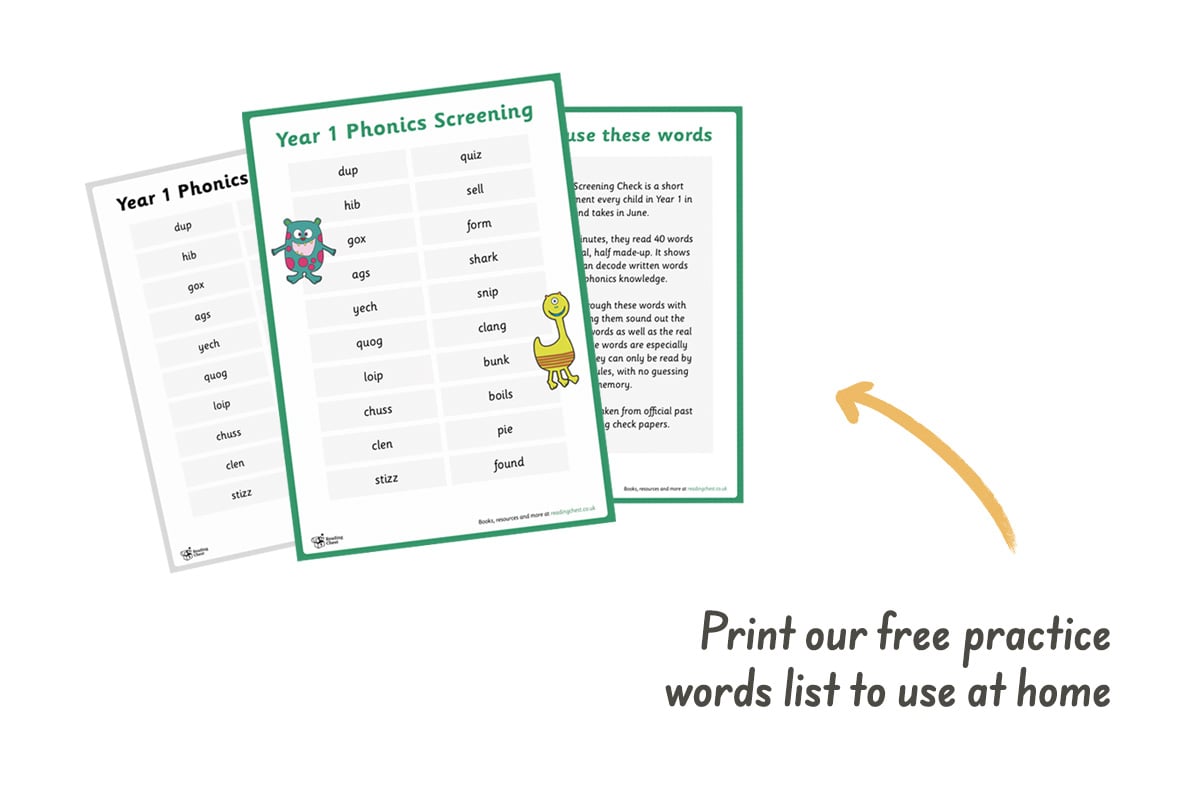
We’ve also made a downloadable pack of phonics screening practice words for you to print and try at home. The words are taken from past papers, so they reflect the genuine range and difficulty of what children can expect.
If your child’s school uses Read Write Inc or Little Wandle, or any other structured phonics programme, their daily lessons are already building exactly the decoding skills the check tests. Trust the programme and trust your child’s teacher.
What you can do at home is keep phonics practice feeling light and routine rather than high-stakes.
If your child is finding digraphs and trigraphs tricky — two- and three-letter sounds like ch, igh, or air — our free digraph and trigraph flashcards are a quick way to practise those specific patterns at home.
What’s the pass mark?
The DfE sets a threshold score each year after the checks are completed — so the exact number isn’t known in advance. In recent years it has typically sat at around 32 out of 40, though it shifts slightly year to year.
Children who meet or exceed the threshold are said to have met the expected standard. Those who don’t are flagged for extra phonics support in Year 2, and they retake the check the following June.
It’s worth keeping that threshold in perspective. A score of 31 doesn’t mean a child has failed — it means one specific skill needs a bit more time. The check is designed to catch things early, not to label children.
What happens on the day?
Schools are encouraged to make the check feel as low-key as possible, and most do. Your child will be called out of class, taken to a quiet space with a familiar adult, and asked to read through the booklet (examples of which you can find here). It usually takes five to seven minutes from start to finish.
During the check, the teacher listens and records responses but doesn’t give any feedback. They won’t say “well done” or “try again” — which means your child can’t really gauge how it’s going. For most Year 1 children, that’s absolutely fine. They’re used to small in-class reading tasks, and this feels much the same.
If your child asks what the check is about, keep it simple: “Your teacher is going to listen to you read some words — just like in phonics.” That’s genuinely all they need to know.
What the check doesn’t measure
It’s easy to attach too much meaning to a single score, so it’s worth being clear about what the Phonics Screening Check doesn’t tell you.
It only measures one thing: phonics decoding — the ability to look at written letters and blend them into sounds. It does not measure:
- Reading comprehension (understanding what you’ve read)
- Reading fluency, expression, or pace
- Vocabulary, language development, or listening comprehension
- Overall reading ability or academic potential
A child who reads enthusiastically at home, loves stories, and understands everything they hear might still find the pseudo-words tricky — because decoding made-up words is a specific, learnable skill that some children take longer to nail. That doesn’t make them a poor reader. It makes them a reader who needs a bit more phonics practice.
Equally, a child who scores well on decoding might still be building comprehension and fluency. One check, one skill. Keep it in proportion.
What if my child doesn’t meet the threshold?
Roughly one in five children don’t reach the expected standard in Year 1. If your child is one of them, here’s what typically happens:
- Their school will put additional phonics support in place — usually more focused small-group or one-to-one work through the rest of Year 1 and into Year 2.
- They’ll retake the check in Year 2, the following June.
- The majority of children who retake in Year 2 do go on to meet the standard.
It’s completely natural to feel worried — but try to see it for what it is: useful, early information that helps the school target support in exactly the right place. It’s not a diagnosis, and it’s not a ceiling.
If you’d like to support phonics practice at home in the months ahead, having books matched to your child’s current reading level makes a real difference. Reading Chest delivers phonics-matched reading scheme books to your door each week — so you always have the right book at the right time, without the trip to the library.
What words have come up in previous checks?
The DfE publishes past phonics screening check materials, so it’s possible to see exactly which words have appeared in previous years. The words below are from the 2022 to 2026 checks — useful if you want to get a sense of what to expect, or if you’d like to practise decoding words at a similar level of difficulty.
These are the actual words from past papers, but each year’s check uses a completely new set — so treat these as practice material and a guide to difficulty, not a list to memorise.
2026 phonics screening check words
| Alien words | Real words |
|---|---|
| ips | shed |
| jad | lock |
| tep | foot |
| kib | chess |
| qued | clip |
| shars | drill |
| dorl | junk |
| vaff | quilt |
| zint | low |
| veest | clean |
| crort | dirt |
| skop | theme |
| phime | craft |
| jair | grains |
| yurp | scram |
| plute | splits |
| grusp | eaten |
| gloast | orbits |
| splace | kicking |
| scrant | smoother |
2025 phonics screening check words
| Alien words | Real words |
|---|---|
| dup | quiz |
| hib | sell |
| gox | form |
| ags | shark |
| yech | snip |
| quog | clang |
| loip | bunk |
| chuss | boils |
| clen | pie |
| stizz | found |
| pult | boom |
| heeft | shake |
| jigh | spelt |
| saunt | floats |
| virp | scrub |
| phope | scribe |
| sleft | delay |
| thresk | statue |
| spleg | counter |
| strume | grateful |
2024 phonics screening check words
| Alien words | Real words |
|---|---|
| nop | shin |
| yim | fang |
| zeg | sort |
| ild | chill |
| jick | fled |
| sheb | speck |
| deeg | ramp |
| quish | corns |
| brop | bar |
| sleen | sneak |
| sint | curl |
| doilt | doze |
| bew | plank |
| clune | shrimp |
| baup | split |
| cheve | stripe |
| blenk | relay |
| froast | ending |
| scrup | dolphin |
| sprace | crackers |
2023 phonics screening check words
| Alien words | Real words |
|---|---|
| fod | chip |
| bep | hill |
| zat | jars |
| ult | shack |
| heng | twin |
| shob | crack |
| farn | tuft |
| chesh | ports |
| trun | boy |
| glork | scoop |
| remp | foam |
| deebs | white |
| jer | swept |
| drave | dreams |
| teap | scrap |
| phibe | strike |
| slimp | elbow |
| craint | tailor |
| splet | sequins |
| strave | whirling |
2022 phonics screening check words
| Alien words | Real words |
|---|---|
| bem | thud |
| dax | hang |
| kig | coin |
| eld | shell |
| besh | twig |
| quab | flick |
| barp | vest |
| chell | horns |
| grux | globe |
| smung | teams |
| nesk | bowl |
| foint | chase |
| vair | |
| cloat | clouds |
| tirt | spree |
| whike | stroke |
| plunt | visit |
| flards | fabric |
| spran | trapeze |
| splew | concrete |
Frequently asked questions
Do all Year 1 children have to take the Phonics Screening Check?
All children in Year 1 at state-funded schools in England are required to take the check. Independent schools are not required to participate, though some choose to. Children with significant additional needs may have the check adapted or, in some cases, disapplied — this is at the headteacher’s discretion and will be discussed with you if relevant.
Will I find out my child’s score?
Yes. Schools must share the results with parents, including your child’s score and whether they met the expected standard. If you want more detail — particularly which types of words or sounds your child found difficult — ask their teacher. That conversation is often more useful than the number itself.
My child is already reading chapter books. Do they still need to take it?
Yes — the check is universal for Year 1 children in state schools, regardless of reading level. A confident reader will usually fly through it. Occasionally a very fluent reader who has relied partly on word recognition rather than decoding will find the pseudo-words unexpectedly tricky, but most do absolutely fine. The check is brief and the experience is typically unremarkable for strong readers.
Should I tell my child about the check beforehand?
There’s no right answer, but most parents find a brief, matter-of-fact mention works best — enough so your child isn’t surprised, but not so much that it builds it up into something scary. “Your teacher is going to do some reading with you soon — just like your normal phonics” is about right. If your child seems anxious, a little reassurance that it’s quick and easy goes a long way.
What happens if my child is ill on the day?
If your child is absent during the designated check week, schools can administer the check up until the end of the summer term. If they’re still unwell, there are provisions for the check to be carried out at the start of Year 2 instead. Your school will handle the logistics — you don’t need to do anything other than let them know your child was ill.
The Phonics Screening Check is one small moment in a long reading journey. Keep the phonics practice steady, keep the books coming, and try not to worry too much — your child is almost certainly more ready than you think.
