
Contents
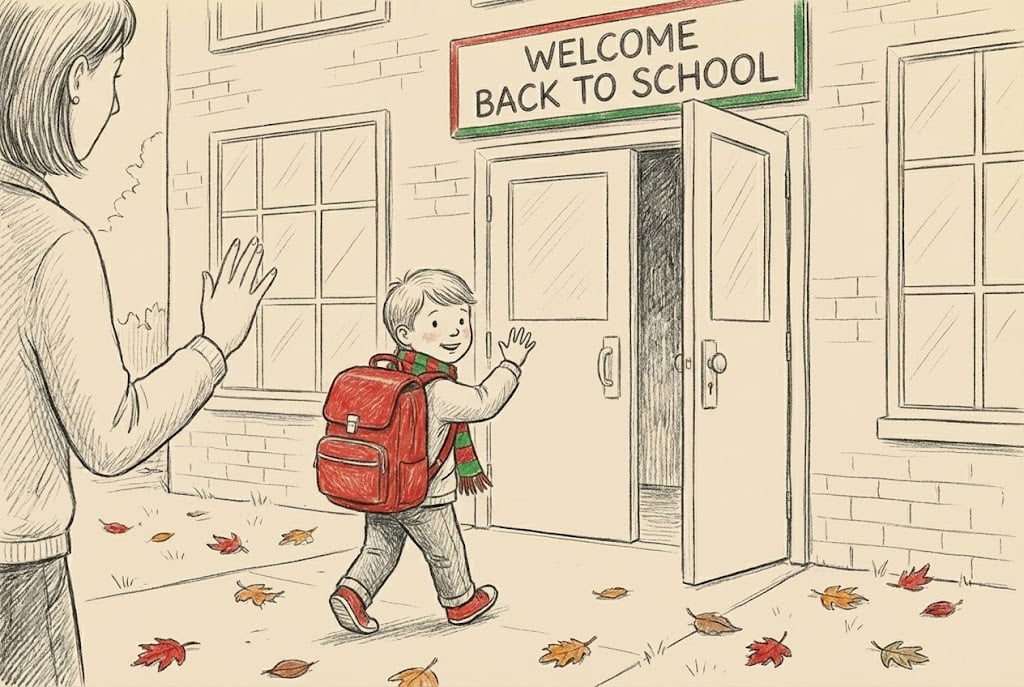
The first few weeks of a new school year can feel like organised chaos – new routines, new teachers, new classrooms, and the inevitable sticky book bag that nobody quite knows how to clean. For parents, there’s a lot to navigate, especially when it comes to supporting your child’s reading at home.
Whether your child is starting Reception for the very first time, moving to a new school, or simply returning to familiar faces after the summer break, the early weeks bring their own reading challenges. Some children bounce straight back into a reading routine; others need a gentler restart. And then there’s the question of books: when do they come home? What should you be doing at home? How can you help without adding pressure?
Here’s what we know works, plus some reassurance as you settle into the year ahead.
What to expect with reading at the start of term
The first few weeks of term are rarely quiet on the reading front. Schools are focused on settling children into new routines, sorting out classrooms and friendships, and establishing good habits. Reading might not be the urgent priority it becomes later in the year.

In Reception classes especially, the first half-term is often about learning to listen, follow instructions, and understand what school is all about. Some schools introduce phonics sounds straight away; others wait a week or two to let children get their bearings first.
As for reading books coming home – this varies wildly. Some schools send reading books home in the first week. Others hold off for several weeks whilst children learn the first set of phonics sounds. A few Reception classes don’t send physical books home at all in the first term, focusing instead on oral blending and listening activities.
None of this is wrong. It’s just different approaches to the same goal: helping children develop confidence and skills in a way that works for their classroom.
Bite-sized reading tips, straight to your inbox
Get confidence-boosting tips to help your child learn to read. Short, useful, and easy to fit into (real) family life!
Even better? You'll also get 25% off your first month of Reading Chest.
What’s different at each stage
Starting Reception (age 4–5)
Reception is a big transition. Your child is learning to separate from you, follow routines, and work with a teacher who isn’t mum or dad. Reading practice might feel like the last thing they need right now – and actually, they’re right. The best thing you can do in those first weeks is keep things calm, familiar and fun.
If books aren’t coming home yet, that’s fine. Bedtime stories still count. Talking about the pictures on shop signs still counts. Singing nursery rhymes together still counts. All of these are building the literacy foundations your child needs.
Once books do come home (usually after half-term), aim for short, relaxed sessions – perhaps ten minutes a few times a week. No pressure. If your child wants to talk about the pictures instead of sounding out every word, that’s perfectly fine.
Returning Year 1 or Year 2
If your child is returning to school after the summer, the restart can feel surprisingly uncertain. They might be worried about whether they’ve “forgotten” how to read, or anxious about a new teacher. These feelings are normal.
The good news is: they haven’t forgotten. The brain is remarkable at remembering reading once it clicks, even after a break. But confidence can take a little while to rebuild. Expect the first week or two to feel like a gentle warm-up rather than a full restart.
Transferring to a new school
Moving schools mid-year (or starting a new primary) adds another layer of change. Your child is managing a new building, new staff, and possibly new phonics schemes or reading bands – all at once. Be patient. It takes time to adjust.
One helpful thing to do is chat with the new teacher about where your child was reading-wise at the old school. They might use different schemes or level the books differently, and a quick conversation can help the new teacher support your child more effectively.
Building reading confidence at the start of term
The start of a new school year is an excellent time to lay foundations for a positive reading relationship. Here are some practical ways to do that:
Keep it short and consistent
Forget the idea that you need to spend ages on reading practice. Ten to fifteen minutes a day, at the same time each day, is far more powerful than an hour once a week. After school, before breakfast, or at bedtime – pick a time that feels natural and stick with it. Consistency builds confidence faster than intensity.
Bedtime is often the trickiest slot – tired children read slower and sometimes resist. If that’s your experience, try reading together at a different time instead, and save bedtime for a story read aloud by you.
Choose books your child actually wants to read
This matters more than level. Yes, reading scheme books are levelled for a reason – but a child who’s excited about a book will push through a little challenge far better than one who’s bored. Look for stories with characters they like, topics that fascinate them, funny bits, or interesting pictures.
Sometimes the “wrong” level book is the right emotional fit. And if it gets your child excited about reading, it’s doing its job.
Celebrate small wins
Notice and name the good stuff: “You spotted that word straight away!” or “You worked really hard on that tricky bit, and you got it!” These moments build the idea that reading is something they’re getting better at, not something they’re bad at.
Read aloud together
Don’t just listen to your child read. Read stories aloud to them – every single day if you can. This shows that reading is something adults enjoy, and it keeps them engaged with stories even on days when reading practice feels hard.
What if physical reading books aren’t coming home yet?
Some Reception classes hold off on sending reading books home until half-term or even until after Christmas. This isn’t unusual – it’s just a different approach.
The reason is usually that teachers want children to learn a solid set of early phonics sounds before introducing books to take home. Schools might also be managing large cohorts and staggering when different children take books home.
If your child is desperate to read at home and books aren’t yet coming home from school, you don’t need to wait. Our pink band books are designed for the very beginning of the reading journey and work beautifully for children who are just starting out with simple sounds. A few physical books at home can bridge that gap perfectly, and your child still gets the experience of choosing a book, turning pages and practising with real paper.
A service like Reading Chest can be a great way to ensure you have books matched to your child’s level arriving regularly.
Understanding reading levels and phonics
It’s easy to feel lost when you hear about phonics phases, reading bands and book levels. But you don’t need to be an expert. What matters is understanding roughly what your child is learning, and supporting them at home in a way that’s relaxed and encouraging.
If you’d like a quick refresher on phonics itself, our guide to phonics breaks it down in plain English. And when it comes to finding the right reading level, a quick chat with your child’s teacher will tell you far more than any chart.
The key thing is: don’t assume you need to teach phonics at home. That’s the school’s job. Your job is to keep reading positive, share stories together, and show your child that books are brilliant.
Building a reading habit that sticks
The summer holidays can disrupt reading routines, and the start of a new term is the perfect moment to rebuild them. But building a habit takes a few weeks, so be patient with yourself and your child.
One of the best ways to make reading stick is to make it part of your daily rhythm, just like breakfast or getting dressed. When reading happens at the same time every day, it becomes something your child expects and doesn’t resist – it’s just what you do.
Try embedding reading into a natural anchor point: after school snack, before screen time, right before bed. The consistency matters more than the length of time.
Try this simple structure
If you’re not sure where to start with a reading routine, here’s a structure that works well for many families:
- Chat about the cover: Look at the front together. What might the story be about?
- Your child reads: Let them have a go at the pages. Don’t interrupt or rush them.
- You read a page: Model fluent, enjoyable reading. Show them what smooth reading sounds like.
- Chat about what happened: A quick conversation about the story is worth gold for comprehension and memory.
That’s it. No complicated techniques, no drilling phonics, just steady, relaxed reading together.
If you want a structure to help you build this habit consistently, here’s a helpful activity to get you started:
A simple but powerful habit that works brilliantly at the start of a new school year is building a five-minute daily reading practice that feels effortless.
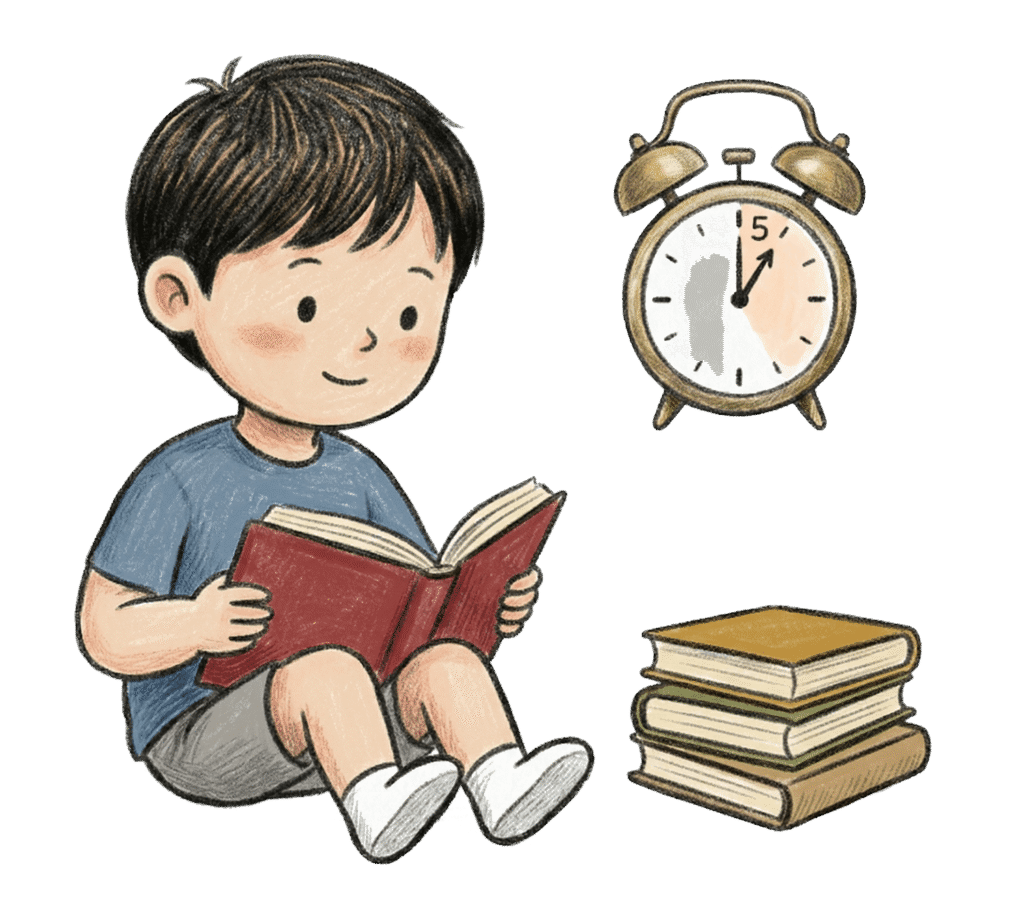
The five-minute reading habit
Five focused minutes with the right book beats an hour of reluctant page-turning. Short daily sessions are where the real progress happens.
Goal
Build confidence and fluency through short, consistent daily reading — because regularity matters more than duration.
You'll need
- A decodable book at the right level
- A comfy spot
- A bit of patience
How to do it
Sit together and read a couple of pages. Let your child point to each word as they sound it out. If they get stuck, give them a moment before you step in — sometimes they just need a second.
When they do need help, try: "Say the sounds, then blend" rather than just saying the word for them. Keep the session upbeat. End it before anyone gets tired.
Five minutes every day adds up to over 30 hours of reading practice in a year. That's not nothing — that's everything. The habit matters more than the duration.
Grab our resources
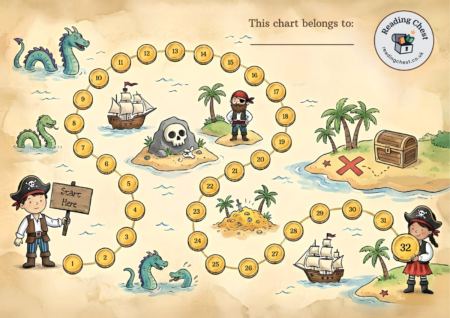
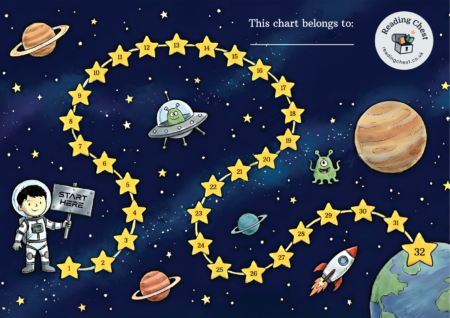
Our handy star charts are the perfect way to track your daily progress as you tick off those five minute reads!
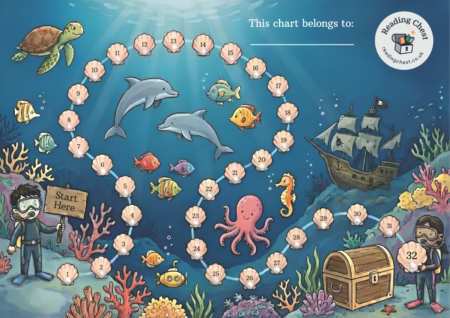
Once you’ve got a gentle routine going, celebrating consistency is a wonderful next step. This activity helps children see their own progress and builds momentum beautifully:
Star-chart streaks
Set a small reading streak and add a star each day. Short targets, visible progress, genuine celebration when they get there.
Goal
Build a daily reading habit through small, achievable targets — because streaks work, and children (and most adults) love a chart filling up.
You'll need
- Star chart (Space, Underwater or Pirate theme)

How to do it
Choose a star chart and set a modest first target — three days in a row, or five stars in a week. Stick it somewhere your child will see it every day.
Add a star each time they read (or give reading a genuine go). Make the moment of adding the star feel like something — a small celebration counts.
When they reach the target, acknowledge it properly and set a new one. Keep targets just within reach: achievable enough to feel doable, stretching enough to feel worth doing. The chart filling up is surprisingly motivating, even for children who say they don't care about stickers. They always care about stickers.
Grab our resources
Print our space star chart and underwater star chart to get started.
What if your child is worried about their reading?
Some children arrive at Reception or a new school with anxiety about reading. They might have heard older siblings read, or worried that they’re “not clever enough” because reading doesn’t come naturally to them yet.
Here’s the truth: almost all children feel uncertain about reading at some point. It’s brand new, it’s complex, and they’re comparing themselves to children who are further along. That’s a recipe for worry.
The antidote is simple: reassurance, time, and making it low-pressure. Tell your child:
- “Everyone finds reading tricky at first. That’s completely normal.”
- “Your teacher will help you learn all the sounds and tricks you need.”
- “There’s no rush. You’ll get there at your own pace.”
- “I love reading books with you, whatever happens.”
Then show them, through your actions, that reading is something you enjoy and something that’s fun – not a test they can fail.
Frequently asked questions
What if my child’s school doesn’t send physical reading books home for the first few weeks?
This is common, especially in Reception. Teachers often want children to learn initial phonics sounds before introducing books to take home. If you’d like your child to practise reading at home whilst you wait, you can provide simple books yourself – pink band books are perfect for this stage and complement whatever the school is doing.
How long should my child read each day at the start of term?
Ten to fifteen minutes is ideal for young readers just starting out. Consistency matters far more than length. It’s better to read a little bit every day than to do longer sessions once a week. As children grow more fluent, they’ll naturally read for longer.
What if my child feels worried or behind compared to their classmates?
Children develop at different speeds, and anxiety about reading is common. Focus on what your child can do, celebrate small progress, and keep the tone positive and pressure-free at home. A quick chat with their teacher can also help – they’ll reassure you if your child is on track.
How do I know what reading level my child should be on?
Your child’s teacher will tell you which phonics phase and reading band they’re working on. Our book bands page explains what each level means. Don’t worry about the exact level – just use it as a rough guide for finding books that feel manageable but slightly challenging.
The start of a new school year is a fresh beginning for everyone. Be patient with your child, be patient with yourself, and remember that you’re already doing a great job simply by prioritising reading and showing up every day.
