

Contents
Ah, summer. Long lazy mornings, sticky ice lollies, the smell of suncream on everything. And the perfect time for children to completely forget how to read?
OK, not quite. But the “summer slide” is real—kids can lose a surprising amount of reading progress over the holidays if books take a back seat to beach balls and scooters. Research shows children can lose up to two months of literacy development over the summer holidays when they don’t keep reading regularly.
But here’s the good news: keeping your child reading through summer doesn’t mean playing teacher in a heatwave. With a few simple tweaks, reading can become just another lovely part of the holiday mix. Here’s how to make that happen (without anyone even noticing you’re being clever about it).
Understanding the summer slide
When regular reading stops, progress pauses. That two-month setback sounds alarming, but it’s not because children “forget” to read—it’s simply that without practice, skills begin to fade. For a child who’s just gained confidence with a new phonics sound or started reading chapter books, a long break can feel like stepping backwards when September rolls around. Keeping momentum going during holidays is key to preventing this dip.
The silver lining? Just a little regular reading can prevent this entirely. You’re not aiming for hours of formal practice. You’re aiming for consistency—a book here, a story there, reading woven into the fabric of the day rather than standing apart from it.
Bite-sized reading tips, straight to your inbox
Get confidence-boosting tips to help your child learn to read. Short, useful, and easy to fit into (real) family life!
Even better? You'll also get 25% off your first month of Reading Chest.
Weaving reading into the everyday
Summer reading doesn’t have to mean setting a timer or handing out gold stars. Think of it as a gentle nudge—a book by the bed, one in the bag for journeys, a few minutes on the sofa whilst everyone’s winding down from the paddling pool. The goal is to make reading feel like a natural part of holiday life, not an extra chore.
Here are a few simple ways to make reading part of the rhythm of the day:
- Read after lunch or before bed: Slip it into the routine like brushing teeth or hunting for flip-flops. These moments often become the most treasured reading times.
- Take books out and about: Car journeys, beach trips, picnic blankets—books travel well and fill those in-between moments perfectly.
- Read around what you’re already doing: Follow a recipe, read signs at the park, spot words on shop fronts, or write postcards together. Reading doesn’t always mean sitting down with a storybook.
The most successful summer reading isn’t about quantity—it’s about consistency. Even 10 minutes a day keeps skills sharp and maintains momentum.
Fun reading ideas for the holidays
Have a reading picnic
Grab a blanket, a few favourite books, and some snacks, and set up camp in the garden or park. Nature-themed books are brilliant, but anything goes. Even reluctant readers are more likely to join in when there are strawberries involved.
Make your own book
Fold some paper, staple the edge, and let your child become the author. They can draw the pictures and write the words—silly, serious, or completely surreal. If you’re lucky, you might get a starring role as a dragon or a talking bin. Home-made books often become treasured keepsakes.
Try a family book club
Pick a book to read together (anything from picture books to short chapter books works), then chat about it over biscuits. Let everyone have a turn choosing the book—even if it’s the 15th dog detective mystery in a row. Especially if it is. Ownership over book choices is what keeps children engaged with reading.

Let them choose
If your child gets to pick what they read, they’re much more likely to stick with it. Whether it’s graphic novels, fact books, silly chapter series, or even the back of the cereal box—it all counts. Follow their interests and don’t worry if they read the same book five times. That’s not a problem; it’s part of how children build fluency and confidence.
Libraries are brilliant for this—you get free variety without the guilt of “wasting” money if something isn’t a hit. So is Reading Chest, where you can swap books whenever you fancy something different without the pressure of getting every choice perfect. We post phonics-based reading scheme books straight to your door, matched to your child’s level, so there’s always something new to discover at the right difficulty.

Building reading habits rather than just doing activities
There’s a difference between doing reading activities and building a reading habit. A one-off treasure hunt is fun, but it’s not what prevents the summer slide. What works is small, regular, unremarkable reading—so normal that it doesn’t feel like you’re “doing” anything at all.
Here’s how to build the habit:
- Pick a time: Before breakfast? After lunch? Before bed? Consistency matters more than duration.
- Make it easy: Keep books visible and accessible. If they’re on a shelf gathering dust, they won’t get read.
- Make it optional: Paradoxically, taking the pressure off often makes children more willing to read. “There’s a book if you fancy it” works better than “It’s reading time.”
- Read together sometimes: You don’t have to sit down for formal read-aloud sessions every day, but when you do, it shows your child that reading matters to you.
Hands-on activities to spark summer reading excitement
To help your child develop reading habits that stick around all year, try this activity that builds sustainable, manageable reading routines:
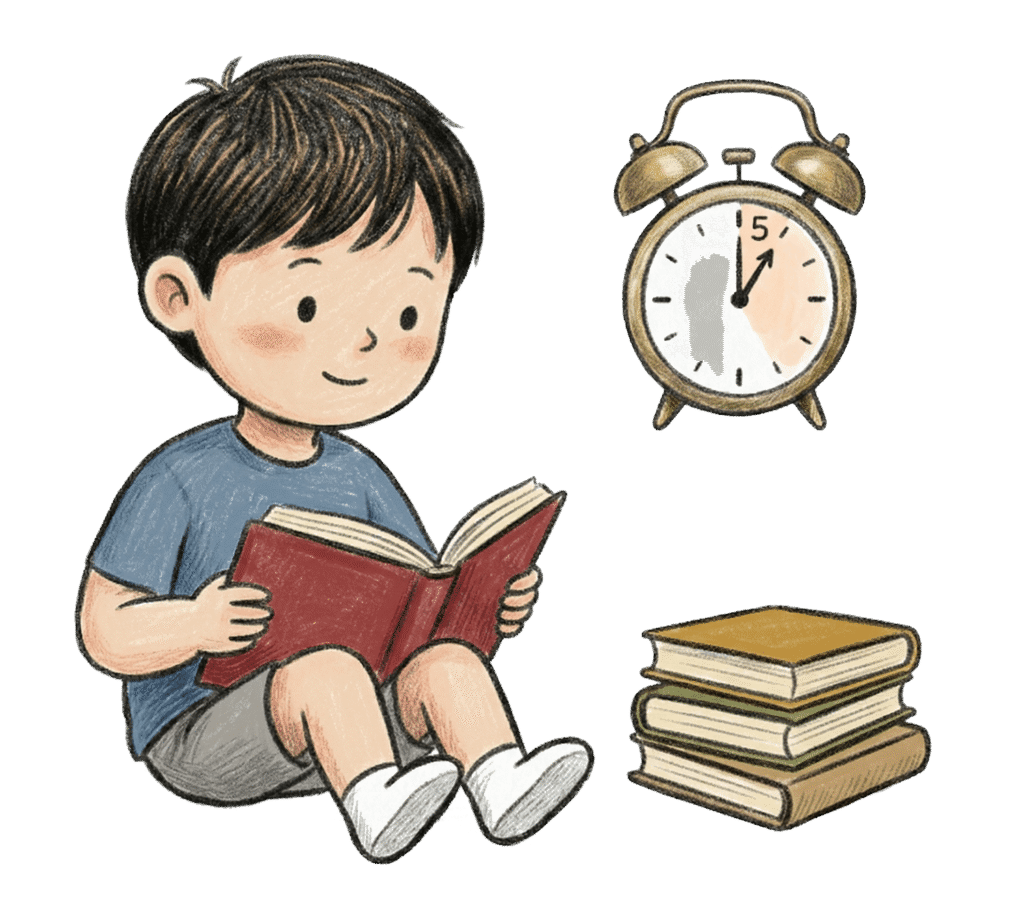
The five-minute reading habit
Five focused minutes with the right book beats an hour of reluctant page-turning. Short daily sessions are where the real progress happens.
Goal
Build confidence and fluency through short, consistent daily reading — because regularity matters more than duration.
You'll need
- A decodable book at the right level
- A comfy spot
- A bit of patience
How to do it
Sit together and read a couple of pages. Let your child point to each word as they sound it out. If they get stuck, give them a moment before you step in — sometimes they just need a second.
When they do need help, try: "Say the sounds, then blend" rather than just saying the word for them. Keep the session upbeat. End it before anyone gets tired.
Five minutes every day adds up to over 30 hours of reading practice in a year. That's not nothing — that's everything. The habit matters more than the duration.
Grab our resources
Our handy star charts are the perfect way to track your daily progress as you tick off those five minute reads!
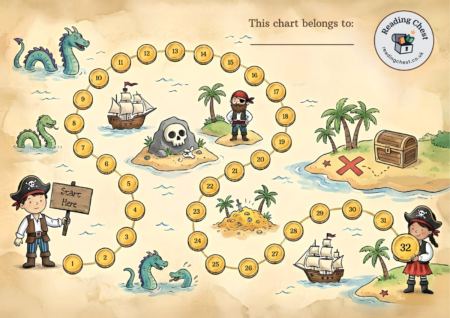

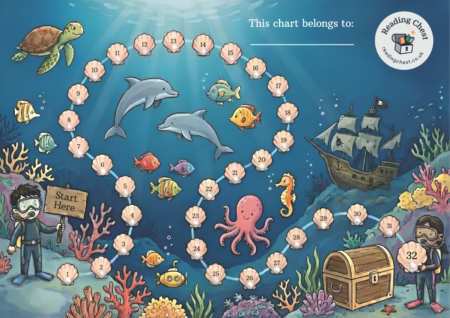
And if you want to kick off summer with some exciting story exploration, this activity helps children find energy and momentum in reading:
Summer story starter
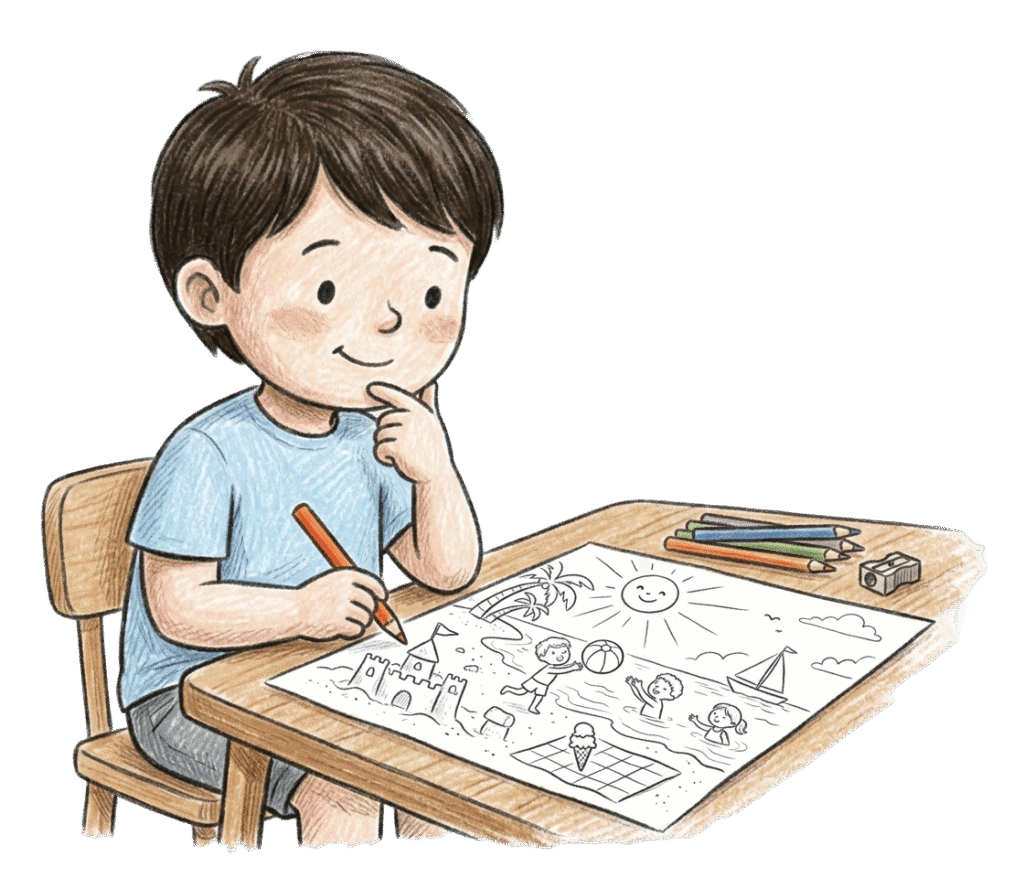
Use the summer colouring sheet as a story prompt — what's happening in the scene? Tell or write a short story about it. Imagination and colour in one go.
Goal
Spark creativity and storytelling using a visual prompt — a picture is a brilliant way in for children who find starting a story hard.
You'll need
- Summer Colouring
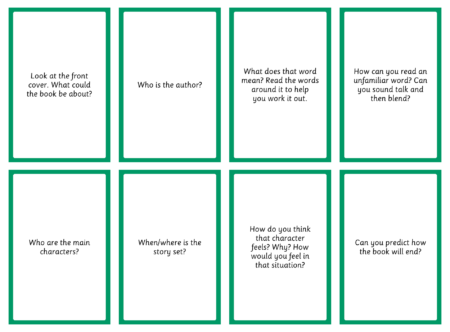
- Reading Prompt Cards
How to do it
Spread out the summer colouring sheet and look at it together. Ask: What's happening here? Who are these people? Where are they going?
Use the reading prompt cards if you need ideas to get started: "What happened just before this picture?" or "What's happening just out of view?" Let them come up with the story — you can prompt, but try not to lead.
Once they've got a story, they can colour the scene to match it while they tell it to you. You can scribe if they want to write it down. Seasonal, open-ended, and genuinely different every time you do it.
Grab our resources
Print our summer colouring and reading prompt cards to get started.

A gentle nudge, not a power struggle
Summer reading doesn’t have to be a big deal. It’s not about forcing a child to sit down with a book when they’d rather be splashing in a paddling pool. It’s about making reading part of the rhythm of the day. It’s about stories becoming part of the summer memories—just like ice creams and camping trips.
Some children will naturally reach for books. Others will need a bit of gentle encouragement. Neither is “right” or “wrong”—it’s just how different children are wired. Your job is to keep books accessible, available, and attractive without turning reading into the summer equivalent of homework.
So keep a few books handy, follow your child’s lead, and celebrate the little wins—like finishing a book or giggling through a chapter together. It all adds up to a smoother start in September and a stronger love of reading that lasts far beyond the holidays.
Frequently asked questions
What is the summer slide?
The summer slide is the temporary loss of reading and maths progress that can happen over long school holidays when children don’t practise regularly. It’s usually temporary—skills come back quickly once school starts again—but it can affect confidence and mean repeating earlier learning. Regular reading over the summer prevents it almost entirely.
How do I stop my child losing reading progress in summer?
The key is consistency over intensity. Just 10–15 minutes of reading most days (not every day—holidays are for relaxing!) will maintain progress. Make it part of the daily routine, keep it fun and pressure-free, and let your child have input into book choices. Reading together sometimes is lovely, but they don’t need formal instruction during the holidays.
How much should children read in the summer holidays?
There’s no magic number. Even 10 minutes a few times a week maintains progress. During school term, your child might read for 20–30 minutes daily at home; in summer, aim for less pressure but more flexibility. A child who reads for 15 minutes on four days a week has read far more over the summer than one forced into daily 30-minute sessions who ends up hating books.
How do I make summer reading fun?
Let your child choose books, read in unusual places (garden, beach, park), connect reading to their interests, and don’t stress about “progress.” Reading the same book five times, reading comics, or reading recipe instructions all count. Summer reading should feel like freedom, not school. If your child is relaxed about it, they’re much more likely to keep picking up books.
Need a hand?
If you’d like some help keeping the bookshelf stocked over the summer, Reading Chest has got you covered. Our team hand-picks reading scheme books matched to your child’s level, and pops them in the post—so there’s always something new, exciting, and just-right waiting at the door. You can pause or adjust anytime, which works perfectly for holiday schedules.
Here’s to a summer of sun, silliness—and stories.
