Contents
Black History Month is a wonderful opportunity to celebrate, learn, and reflect. It’s a time to shine a light on the stories, achievements, and history of Black individuals and communities—and to help children understand the importance of diversity, identity, and inclusion through the power of books.
Reading is one of the best ways to open up these conversations with children. Through stories, we can explore history, build empathy, and show young readers that everyone’s voice and experience matters. Here’s how you can use books to celebrate Black History Month at home or school—and inspire a lifelong love of learning and curiosity.
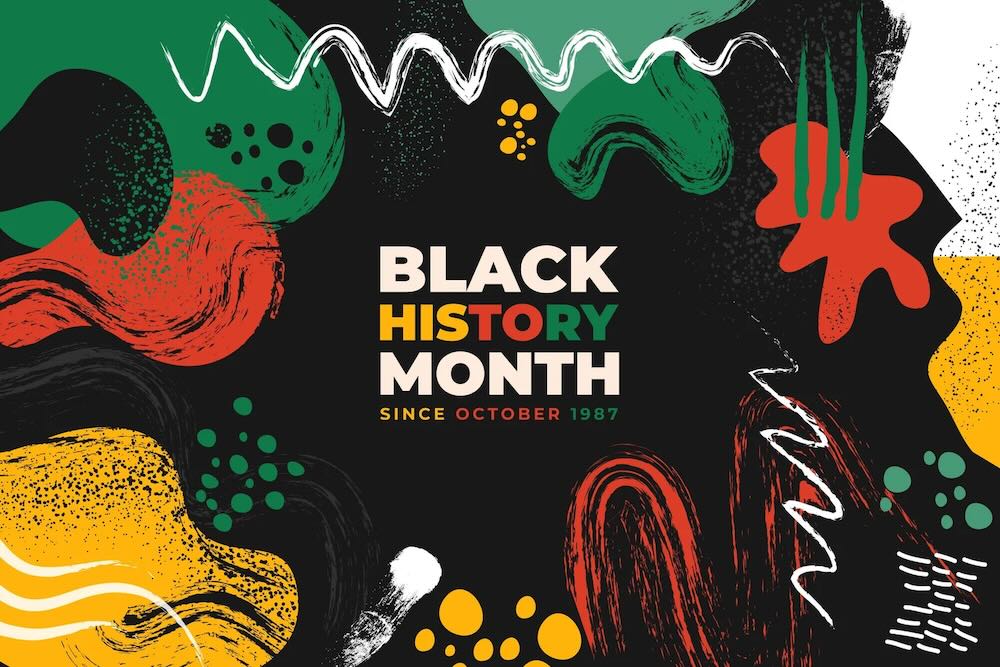
What is Black History Month?
Every October in the UK, Black History Month invites us to celebrate the contributions of Black people throughout history—and the impact they continue to make today. It’s a chance to explore culture, creativity, and courage through stories that bring the past and present to life for children. Reading widely helps children understand that every story matters.
- Why it’s celebrated: To highlight achievements and stories that may not always be taught in schools, helping children see a fuller, richer picture of history.
- The power of reading: Books and storytelling help children understand different perspectives and develop empathy in a joyful, engaging way.
- This year’s themes: Each year focuses on ideas like innovation, activism, or leadership—perfect starting points for reading and discussion.
Want more ideas on how to nurture reading at home? Visit our Helping Children Learn to Read page.
Bite-sized reading tips, straight to your inbox
Get confidence-boosting tips to help your child learn to read. Short, useful, and easy to fit into (real) family life!
Even better? You'll also get 25% off your first month of Reading Chest.
Exploring heritage through stories
Stories help children connect with history and culture in ways that feel real and meaningful. From real-life heroes to folktales passed down through generations, these books open windows into worlds beyond their own.
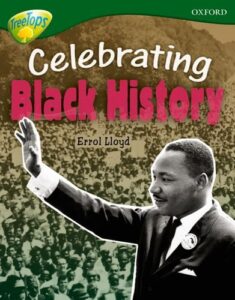
- Biographies: Introduce your child to inspiring figures like Mary Seacole, Nelson Mandela, and Rosa Parks—and talk about what made them brave.
- Folktales and legends: Traditional African and Caribbean tales are full of wisdom, humour, and imagination—perfect for bedtime reading and family storytelling.
- Modern stories: Contemporary books featuring Black protagonists show that every child deserves to see themselves represented in stories.
Looking for ideas? Browse our book bands to find diverse and age-appropriate reads that match your child’s reading level.
Making reading part of Black History Month
Reading together doesn’t have to be a big, formal thing—just a few small ideas can turn stories into meaningful experiences this month.
Try these reading activities
- Storytime chats: After reading, ask what your child thought—who inspired them, or what surprised them most.
- Book-inspired art: Encourage them to draw a favourite character or scene, or make a mini poster celebrating an inspiring person.
- Role-play and writing: Let children act out scenes or write their own short stories about people who make a difference.
Join community events
- Look for local library events, storytelling sessions, or exhibitions celebrating Black history and culture.
- Watch online storytimes from diverse authors—many are free during October.
- Join school or library reading challenges and share your child’s reflections afterwards.
This activity encourages children to think about author choices and story structure, helping them become more thoughtful readers:
Stop-the-story choices
Pause mid-story and ask: what do you think will happen next? Read on and find out whose guess was closest. Keeps minds engaged right through to the last page.
Goal
Practise predicting and thinking ahead while reading — building comprehension and keeping attention right where it should be: on the story.
You'll need
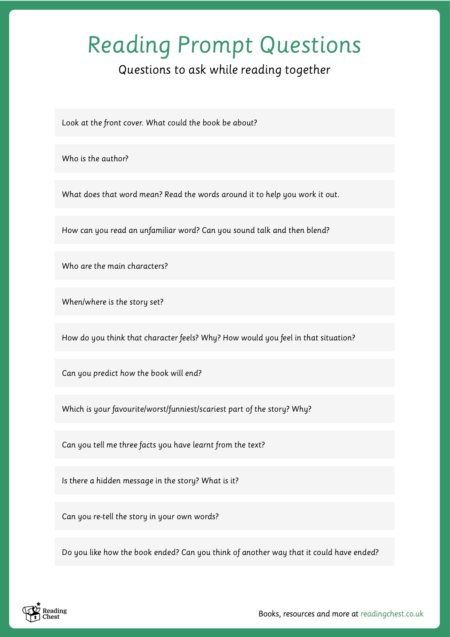
- Reading Prompt Questions
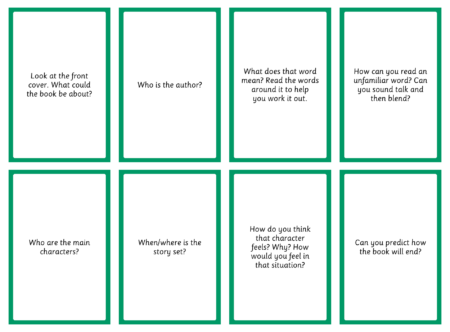
- Reading Prompt Cards
How to do it
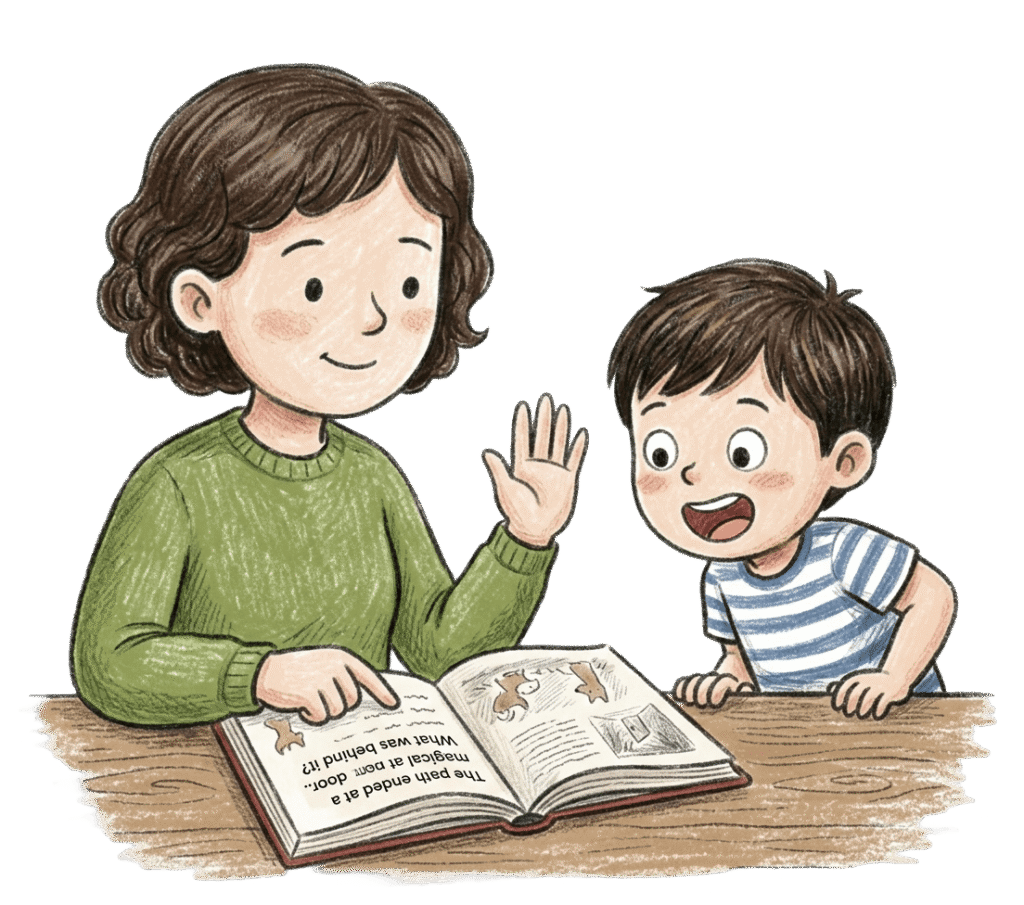
Read together until you hit a turning point — a cliffhanger, a choice, a moment of tension. Stop. Ask: "What do you think happens next?" Let them share their idea, however far-fetched.
Use the prompt cards if you need a nudge: "Why did they do that?" or "What would you do in their position?" Then read on and find out.
When the real outcome arrives, compare it to their prediction. "You were almost right!" or "Nobody saw that coming!" are equally good reactions. The habit of thinking ahead while reading is one of the most useful comprehension skills there is — and this is how it gets built.
Grab our resources
Print our reading prompt questions and reading prompt cards to get started.
And this one helps them explore setting and atmosphere—brilliant for building connections between stories and culture:
Before and after reading
One question before you open the book. One after you close it. That's it — but it shifts everything from just decoding words to actually thinking about them.
Goal
Help your child get more from every reading session by tuning in to meaning, not just getting through the words.
You'll need
- Reading Prompt Questions
- Reading Prompt Cards
How to do it
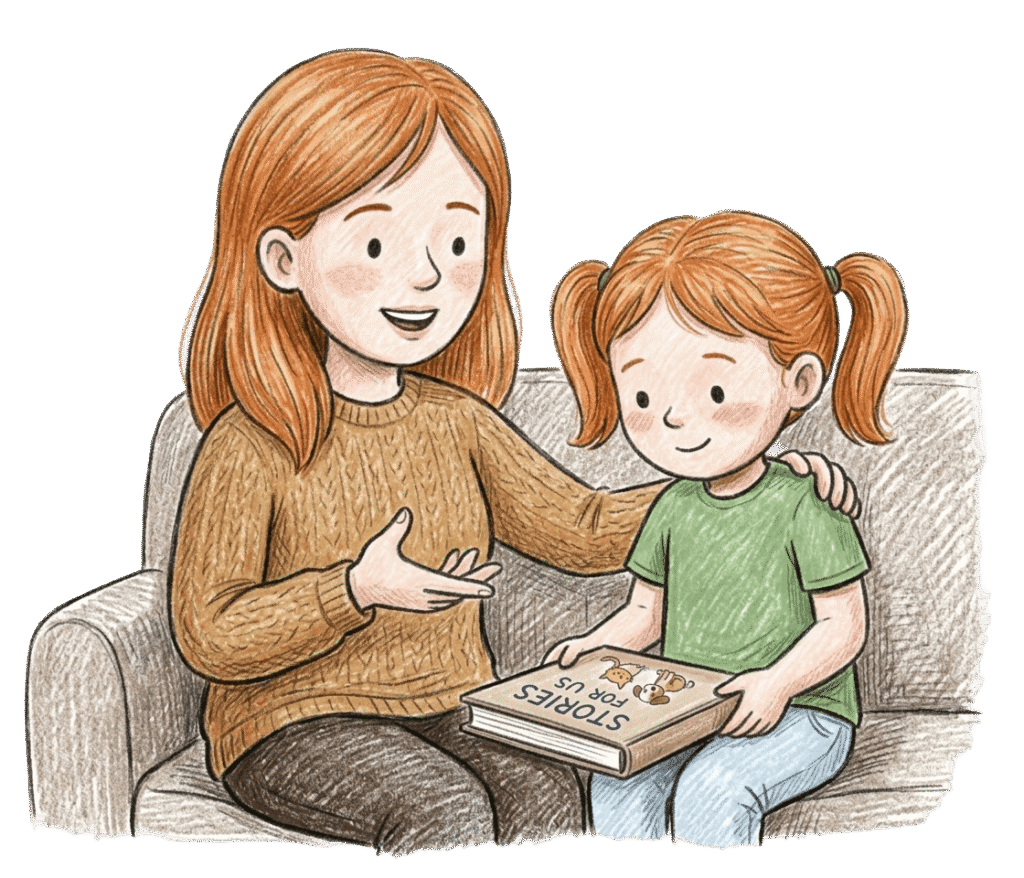
Before you open the book, ask one simple question: "What do you think this might be about?" or "What do you notice on the cover?" That's all — don't overthink it.
Read together. When you finish, ask one follow-up: "What was your favourite part?" or "What would you do if you were that character?" Use the prompt cards if you want more ideas.
Keep it brief. You're not running a comprehension test — you're just helping them connect with what they've read. That habit of pausing to think is one of the most useful things a reader can learn.
Grab our resources
Print our reading prompt questions and reading prompt cards to get started.
Encouraging reflection and representation
Black History Month is also a great time to talk about identity and inclusion—in an age-appropriate, positive way. Books make that easy.
- Encourage discussions: Ask questions like “What did this story teach us?” or “How do you think this character felt?”
- Mix it up: Include biographies, poetry, and picture books for a variety of voices and styles.
- Ensure representation: Choose stories that reflect a wide range of cultures and experiences—so children learn that diversity is something to celebrate.
When children see themselves and their peers reflected in books, it builds confidence, empathy, and a sense of belonging. Reading widely helps every child understand that their story matters too.
How Reading Chest can help
At Reading Chest, we believe every child should have access to books that reflect the world around them. Our collection includes stories that celebrate diversity, resilience, and imagination—all carefully levelled to match your child’s reading stage.
- Book Bands: Discover stories suited to your child’s reading level and interests.
- Flexible Book Swapping: Keep things fresh with a steady rotation of new books through the post—no late fees, no fuss.
- Find expert advice on choosing books that support learning, confidence, and curiosity.
Celebrating together
Black History Month doesn’t end when October does—it’s an invitation to celebrate diverse voices and stories all year round. The books you share, the conversations you have, and the curiosity you nurture stay with your child long after the calendar changes.
When children grow up reading widely, they develop deeper empathy, richer understanding of the world, and confidence in their own identities. That’s the real gift of diverse reading.
Frequently asked questions
When is Black History Month in the UK?
Black History Month is celebrated in October in the UK. It’s an annual opportunity to learn and celebrate the contributions of Black people throughout history. Schools, libraries, and communities often host special events, storytimes, and exhibitions during this month.
How do I find diverse books for my child?
Our book collection and book bands system make it easy to browse for diverse stories matched to your child’s reading level. Look for books featuring characters from different cultures and backgrounds, and don’t hesitate to ask librarians or booksellers for recommendations of authors from underrepresented groups.
How do I talk to my child about race through books?
Start with the story itself—ask what they noticed about the characters and their experiences. Let them ask questions naturally. You don’t need a perfect script; simple, honest conversations work best. Books give you a safe, shared entry point for talking about differences, identity, and fairness in age-appropriate ways.
Are there Black History Month resources for schools?
Many libraries, publishers, and educational organisations create free resources and reading lists for Black History Month. Check your school or local library website, and organisations like the National Literacy Trust often publish curated book lists. Reading Chest can help you find books at the right levels for your classroom or home.
Black History Month is a celebration of courage, creativity, and culture—and reading is one of the most powerful tools we have to share these stories. By reading widely and often throughout the year, you help your child grow up with curiosity, empathy, and an understanding of the world that only books can bring.
Want to help your child discover new worlds through reading? Explore our activities and see how we can help you build a book-filled routine that celebrates every story.
