Contents
You probably already believe reading matters. But if you’ve ever wondered exactly why — or wanted the evidence behind it to feel confident when you’re negotiating one more chapter before bed — here it is.
Reading is not important because it’s a school skill that needs practising. It’s important because of what it does to a child’s brain, vocabulary, comprehension, and ability to understand the world. The effects are wide, measurable, and lasting.
Reading is the best vocabulary builder there is
Children’s vocabularies grow primarily through two routes: spoken language at home and school, and reading. But spoken language has a ceiling — it tends to cluster around the words we use in everyday conversation, which are a relatively small fraction of the full vocabulary of English.
Books contain a much wider range of words. Even books written for young children contain more rare vocabulary per sentence than typical adult conversation. That matters because vocabulary is the single most important predictor of reading comprehension, academic success, and verbal intelligence. Children who read widely develop vocabularies that compound over time — more words make further reading easier, which develops more vocabulary.
The vocabulary gap between heavy readers and light readers grows throughout childhood. By secondary school, it can be substantial.
Bite-sized reading tips, straight to your inbox
Get confidence-boosting tips to help your child learn to read. Short, useful, and easy to fit into (real) family life!
Even better? You'll also get 30% off your first month of Reading Chest.
Academic outcomes across all subjects
The most striking research finding about reading for pleasure is that it predicts academic achievement across all subjects — not just English, but maths, science, and history too. The PISA data, which tracks reading performance across 79 countries, found that children who read daily for pleasure performed significantly better in all tested subjects, and that the effect of reading for pleasure on attainment was stronger than many other socioeconomic and educational factors.
This makes sense when you consider what reading builds: vocabulary, background knowledge, the ability to process complex text, the capacity to hold multiple ideas in mind and reason about them. These are domain-general skills that show up in every subject.
Comprehension and critical thinking
Extended reading — following a long narrative across hundreds of pages — builds cognitive skills that don’t develop in the same way through other media. Tracking characters across time, holding narrative threads, making inferences about motivation, identifying the significance of small details: these are comprehension skills that get stronger the more you practise them.
Critical reading — reading with awareness of the author’s choices, perspective, and reliability — develops through exposure to a wide range of texts. Children who read widely across different genres and voices develop a more sophisticated relationship with text than children who read only one type of book, or who read very little.
Empathy and emotional intelligence
Reading fiction, specifically, develops theory of mind — the ability to understand that other people have beliefs, feelings, and perspectives different from your own. Research with both adults and children has found that reading literary fiction increases measures of empathy, compared to non-fiction or no reading at all.
For children, this has direct social benefits. Children who read widely about different characters and situations tend to be better at perspective-taking, understanding social situations, and responding to the feelings of others.
These are not soft skills; they’re cognitive skills that matter throughout life.
Wellbeing and mental health
Reading also has measurable effects on wellbeing. Regular reading is associated with lower stress levels, better sleep (when it replaces screen time before bed), and greater life satisfaction in adults. For children, the calming effect of being absorbed in a book — and the sense of competence that comes from successfully navigating a difficult text — contributes to emotional regulation and confidence.
There’s also a social dimension: sharing books, recommending stories to friends, and discussing what you’ve read are social experiences that connect children around something positive.
The compound effect
Perhaps the most important thing about reading is that the benefits compound. Early readers become better readers. Better readers find reading easier and more enjoyable. They read more. That reading develops vocabulary, comprehension, and knowledge, which makes them better at school, which builds confidence, which encourages more reading.
Conversely, children who fall behind in reading find it increasingly effortful, which makes them read less, which means they miss the compounding benefits. The gap between strong and weak readers widens with age, not because of inherent ability differences, but partly because of reading volume.
The single most important investment in your child’s long-term academic and personal development is helping them become a willing, regular reader. Everything else builds on that.
Our reading for pleasure guide has practical ideas for fostering that willingness at every stage. And for parents who want to understand how to make reading sessions at home as effective as possible, the reading with your child guide covers the practicalities in detail.
If your child is in the early stages of learning to read and you want to understand how early language development feeds into later reading skills, that context helps explain why the foundations matter so much.
These activities make reading feel like a reward rather than a task — short, daily habits that build the reading routine:
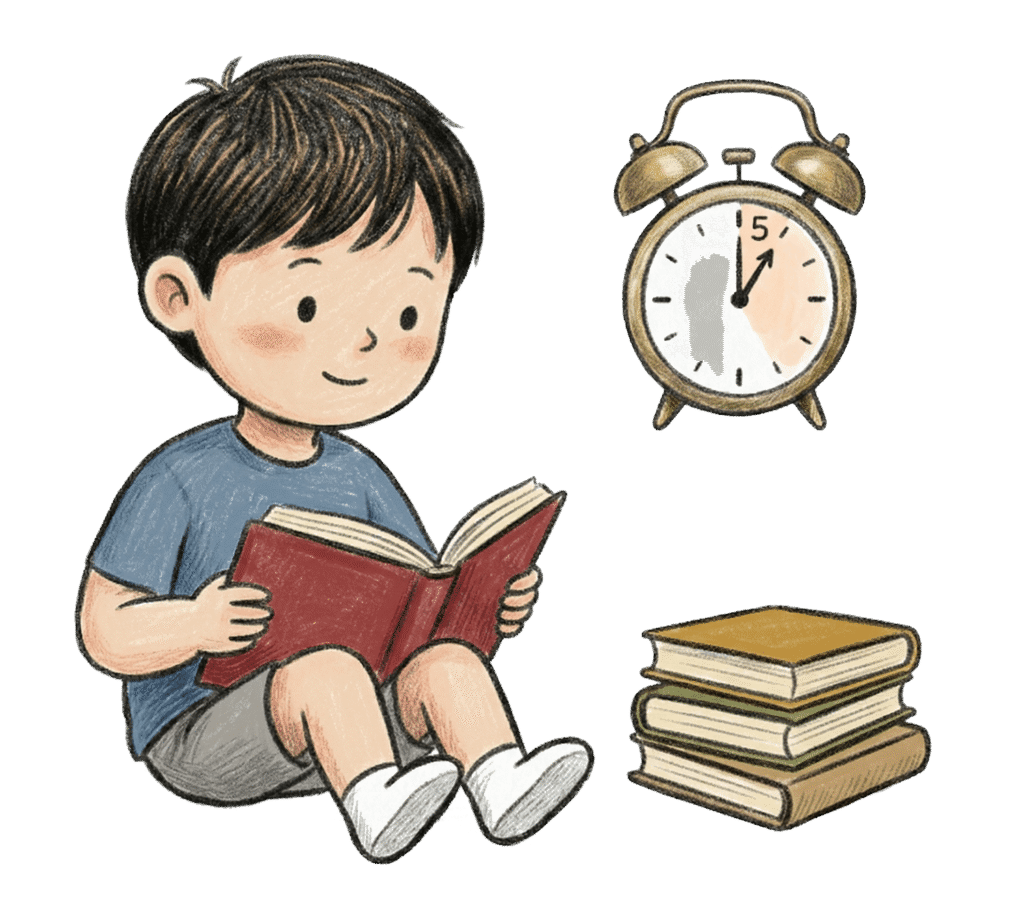
The five-minute reading habit
Five focused minutes with the right book beats an hour of reluctant page-turning. Short daily sessions are where the real progress happens.
Goal
Build confidence and fluency through short, consistent daily reading — because regularity matters more than duration.
You'll need
- A decodable book at the right level
- A comfy spot
- A bit of patience
How to do it
Sit together and read a couple of pages. Let your child point to each word as they sound it out. If they get stuck, give them a moment before you step in — sometimes they just need a second.
When they do need help, try: "Say the sounds, then blend" rather than just saying the word for them. Keep the session upbeat. End it before anyone gets tired.
Five minutes every day adds up to over 30 hours of reading practice in a year. That's not nothing — that's everything. The habit matters more than the duration.
Grab our resources
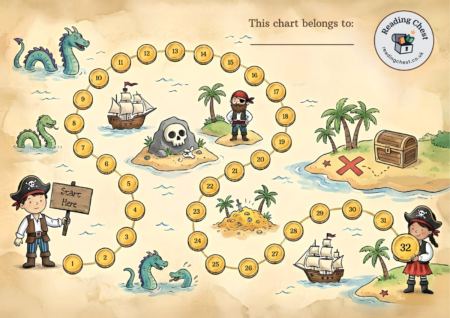
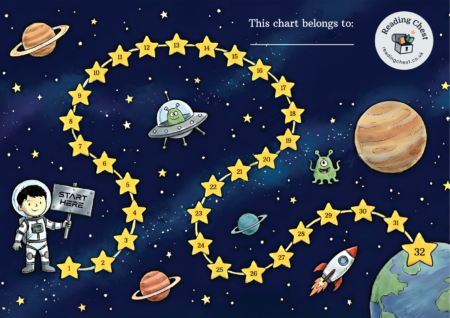
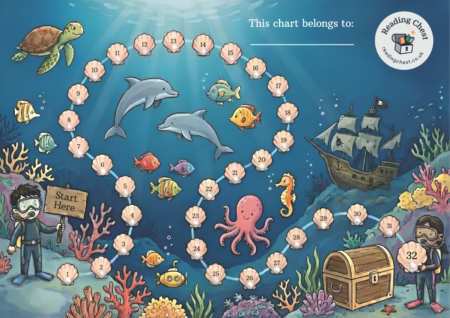
Our handy star charts are the perfect way to track your daily progress as you tick off those five minute reads!
Read to a real audience
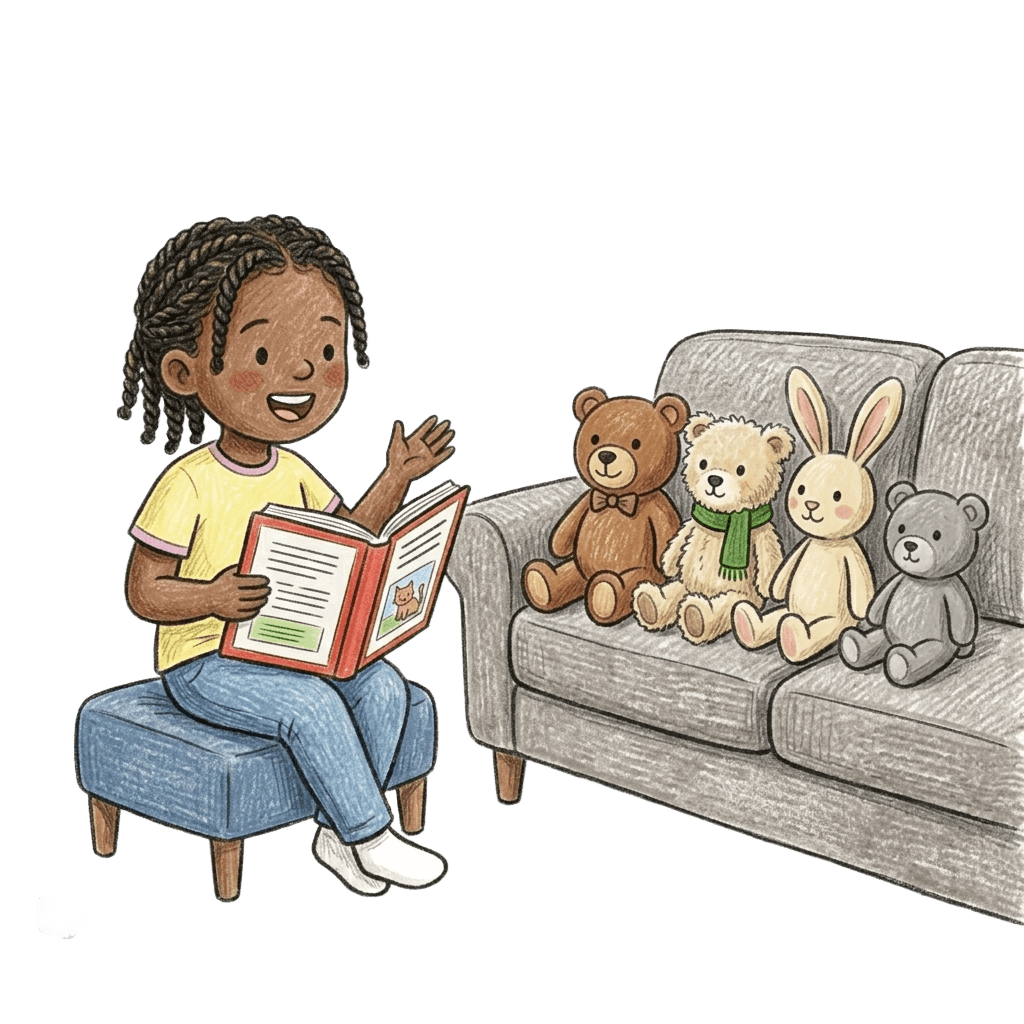
Give reading a real purpose: read aloud to a pet, a sibling, a grandparent on video call, or a row of very attentive teddies. Real audiences make real readers.
Goal
Build reading confidence by performing for a listener who isn't there to correct — pets and teddies are wonderfully non-judgmental.
You'll need
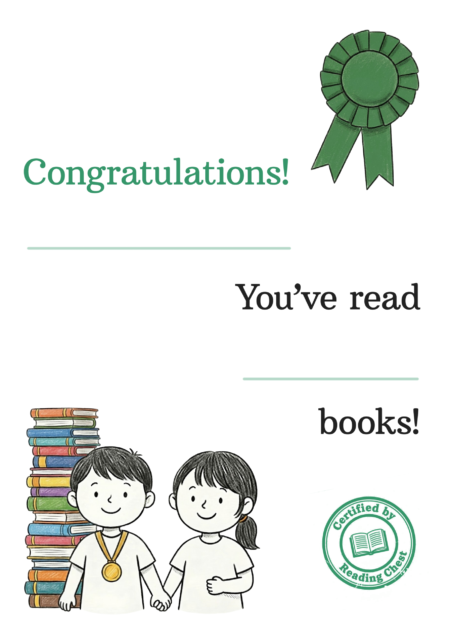
- Reading Milestone Certificate
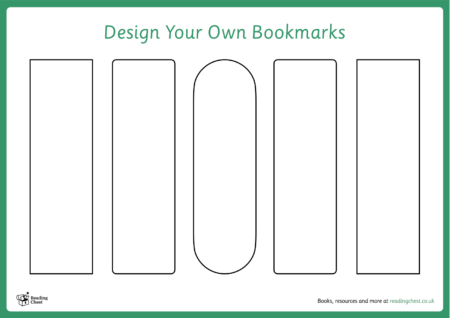
- Bookmark Template
How to do it
Choose an audience — a pet, a younger sibling, a grandparent on a video call, or a row of teddies on the sofa. Let your child pick the book and the listener.
They read aloud while the audience listens. Your job is not to correct — just to watch, listen and respond naturally. "Oh, what happened next?" or "I didn't know that!" goes a long way.
If they stumble, let them keep going. The confidence boost of reading to an engaged audience — even a stuffed one — is real. Award the milestone certificate when they've finished, and let them make a bookmark to give to their audience as a thank you. Yes, even the cat.
Grab our resources
Print our reading milestone certificate and bookmark template to get started.
Frequently asked questions
Is reading more important than other activities for children?
Reading is unusually important because it develops skills that transfer to almost every other domain — vocabulary, comprehension, background knowledge, and empathy all show up everywhere. That doesn’t mean other activities aren’t valuable. Sport builds physical health and teamwork; music builds pattern recognition and emotional expression; play builds creativity and social skills. But reading’s breadth of impact — its reach into academic performance, language, and even mental health — puts it in a different category from most single activities.
Does watching educational TV programmes or videos have the same benefits?
Partially, but not equivalently. Educational programmes do build vocabulary and background knowledge, and reading aloud alongside a child watching a programme can enhance the language benefits. But reading requires active processing in a way that passive viewing doesn’t: you have to construct the visual scene, track the text, and infer meaning rather than having it provided. The cognitive work of reading is part of what makes it so beneficial. Screen-based media and books complement each other rather than being interchangeable.
What if my child really doesn’t like reading — are they going to fall behind?
Children who strongly resist reading often haven’t found the right books yet, or have had reading associated with effort and correction rather than pleasure. The response isn’t pressure — that tends to entrench resistance. Finding the right hook matters: a topic they’re genuinely passionate about, a format they respond to (graphic novels, non-fiction, joke books), a series with the right combination of accessibility and interest. Most children who are described as not liking reading haven’t met their book yet.
At what age do the benefits of reading kick in?
From the very start. Reading aloud to babies and toddlers builds language, attention, and familiarity with books as objects and experiences. The benefits compound throughout childhood and continue into adulthood. There is no age at which it’s too early to start, and no age at which it stops being valuable. The foundations laid in the early years — hearing rich language, being read to regularly, developing an association between books and pleasure — shape everything that follows.
