

Contents
The summer term arrives with a whirlwind of sports days, school trips, sunny playground dramas, end-of-year performances and a thousand other things that all seem to happen at once. It’s brilliant, chaotic, exhausting – and it’s exactly when reading routines tend to wobble.
Many families find that by May or June, the consistency they built during winter has slipped. Children are tired. Parents are juggling more than usual. And there’s a creeping sense that maybe it’s okay to let reading slide a bit – after all, it’s nearly the holidays.
Here’s the thing: it’s absolutely okay to take the pressure off during summer term. But letting momentum drop too far now can actually set you up for problems later. Children who maintain some reading practice through the summer term tend to restart more confidently in September, and they’re less likely to hit the “summer slide” – that frustrating dip in progress that happens when reading stops entirely during the long break.
So how do you keep reading on track during the busiest term of the year, without adding stress to an already full plate?
Why summer term is when reading routines fall apart
It’s not laziness. It’s not that your child suddenly dislikes reading. It’s just logistics and tiredness.
During summer term, the school calendar gets packed. Days are longer, routines are disrupted, and children are genuinely tired – they’ve been learning intensively for nine months, and their brains are ready for a break. Add in sports days, rehearsals, outings and more, and suddenly your usual after-school reading slot just doesn’t fit any more.
For parents, the summer term is also when juggling gets harder. School holidays are approaching, holiday plans need sorting, and there’s often an end-of-year push at work too. Reading practice drops off the priority list – not because it doesn’t matter, but because something had to give.
The irony is: it’s exactly when maintaining consistency matters most.

Bite-sized reading tips, straight to your inbox
Get confidence-boosting tips to help your child learn to read. Short, useful, and easy to fit into (real) family life!
Even better? You'll also get 25% off your first month of Reading Chest.
Understanding the summer slide – and why it starts now
You’ve probably heard the term “summer slide” – that dip in children’s progress that happens during the long holidays when formal learning stops. Research shows that children can lose significant progress in reading over a six-week summer break if they don’t read regularly.
But here’s what’s less obvious: the summer slide often starts in May, not in June. If your child’s reading practice becomes sporadic during the busy spring months, they arrive at the summer holidays already slightly behind the momentum they had in March. Then six weeks without much reading, and the gap widens further.
The good news is: you can prevent this. It doesn’t require hours of practice. It just requires being intentional about keeping reading on the agenda, even when everything else is hectic.
Keeping reading alive (without adding pressure)
Simplify your expectations
Summer term doesn’t have to look like winter. It’s fine to reduce the frequency or length of reading sessions. Maybe you read five times a week instead of seven. Maybe some days are just ten minutes instead of fifteen. The goal is to keep the habit alive, not to maintain peak performance.
On chaotic days when formal reading doesn’t happen, reading the instructions on a board game, a menu at a café, or a funny text on a sibling’s T-shirt still counts. Don’t aim for perfection – just keep reading in front of your child.
Read aloud more, decode less
This is the golden rule for summer term. If your child is tired and resistant, shift away from practising phonics and sounding out words. Instead, read wonderful, engaging stories aloud to them. Listen to audiobooks together on school runs. Let them see that reading is still something you value – just in a lighter way.
A child who hears brilliant stories read aloud every day is still building vocabulary, comprehension and a love of books, even if they’re not decoding independently. And when September comes, they’ll feel less like they’ve “fallen behind” because reading never really stopped.
Change your reading locations
Summer term is bright and warm. Use that. Read in the garden, read under a tree at the park, read on a picnic blanket. When reading moves out of the usual spot, it feels less like “reading practice” and more like a natural part of the day.
Let your child choose (within reason)
Autonomy is powerful. If your child gets to choose their books, they’re far more likely to want to read them. Set a few gentle parameters (books should be accessible to their reading level), then let them pick. Graphic novels, funny stories, facts about dinosaurs, stories about their interests – whatever keeps them engaged.
Make reading part of waiting
Summer term means more appointments, more waiting around. Doctor’s waiting rooms, dentist queues, time before swimming lessons, sitting at the side of a sports field. These moments are perfect for reading. Keep a small bag of books in the car and bring one to every appointment. Reading becomes something to look forward to, not something that disrupts an already busy day.
Making daily reading easier
The easiest way to maintain momentum is to make reading so much part of the daily rhythm that it happens almost without thinking.
Anchor reading to something you already do
Breakfast reading, car reading, bedtime story – pick one natural moment in your day and use it every day. You don’t have to add anything new to your schedule; just slot reading into something that already exists. Before you know it, it’s automatic.
Have books everywhere
Books by the sofa, books in the kitchen, books in the garden, books in the car. When books are visible and accessible, children pick them up more often. Even five minutes of independent reading scattered through the day adds up.
Reading Chest can help bridge the gap during the summer, making sure you’ve got plenty of books at just the right level.
Mix schemes with pleasure
School reading books are brilliant, but they’re also “practice”. Mix them with books your child purely enjoys – the comics that make them laugh, the animal facts they’re obsessed with, the graphic novels they can’t put down. This balance keeps reading feeling like something they want to do.
Practical activities that work
Sometimes a little structure helps. These two activities work beautifully during summer term – they’re flexible, fun, and they keep reading happening without adding pressure.
Summer is the perfect time to build new story-starting skills and get children thinking creatively about where stories can go:
Summer story starter
Use the summer colouring sheet as a story prompt — what's happening in the scene? Tell or write a short story about it. Imagination and colour in one go.
Goal
Spark creativity and storytelling using a visual prompt — a picture is a brilliant way in for children who find starting a story hard.
You'll need
- Summer Colouring
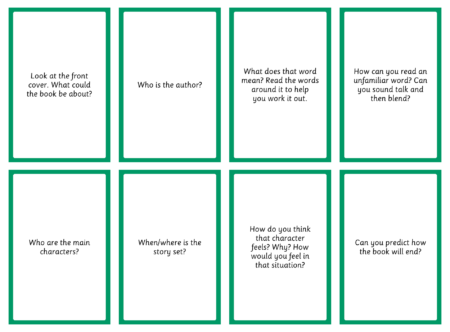
- Reading Prompt Cards

How to do it
Spread out the summer colouring sheet and look at it together. Ask: What's happening here? Who are these people? Where are they going?
Use the reading prompt cards if you need ideas to get started: "What happened just before this picture?" or "What's happening just out of view?" Let them come up with the story — you can prompt, but try not to lead.
Once they've got a story, they can colour the scene to match it while they tell it to you. You can scribe if they want to write it down. Seasonal, open-ended, and genuinely different every time you do it.
Grab our resources
Print our summer colouring and reading prompt cards to get started.

And for children who need to maintain their current reading level without it feeling like formal practice, this activity is a gentle, enjoyable way to keep decoding happening naturally:
Before and after reading
One question before you open the book. One after you close it. That's it — but it shifts everything from just decoding words to actually thinking about them.
Goal
Help your child get more from every reading session by tuning in to meaning, not just getting through the words.
You'll need
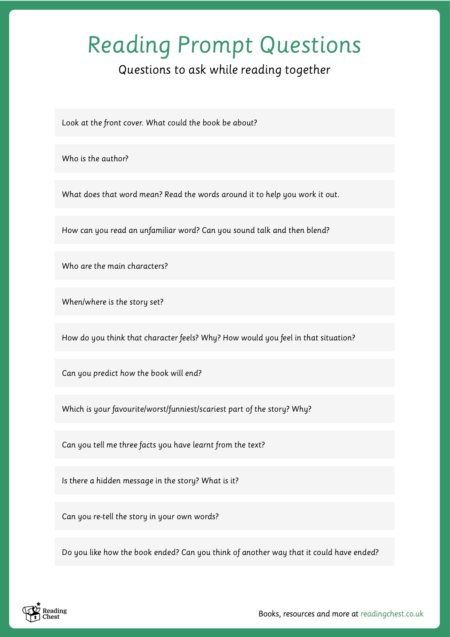
- Reading Prompt Questions
- Reading Prompt Cards

How to do it
Before you open the book, ask one simple question: "What do you think this might be about?" or "What do you notice on the cover?" That's all — don't overthink it.
Read together. When you finish, ask one follow-up: "What was your favourite part?" or "What would you do if you were that character?" Use the prompt cards if you want more ideas.
Keep it brief. You're not running a comprehension test — you're just helping them connect with what they've read. That habit of pausing to think is one of the most useful things a reader can learn.
Grab our resources
Print our reading prompt questions and reading prompt cards to get started.
What if your child refuses to read in summer term?
Resistance is real. Some children genuinely don’t want to sit down and read when it’s sunny outside. And honestly? That’s okay. It’s not a sign of failure.
If reading feels like a battle, step back. Stop for a week or two. Then try again with a different approach – maybe reading aloud together, maybe audiobooks, maybe visiting the library and letting your child choose anything that interests them, even if it’s way “below” their level.
The goal isn’t to squeeze in reading practice no matter what. The goal is to keep your child thinking of reading as something they like, not something they’re forced to do. If reading with pressure kills the vibe, then reading with no pressure is actually the win.
Once things feel lighter, reading will almost certainly come back. Children who aren’t forced tend to want to read more, not less.
Building good habits now for September
Here’s a secret: the habits you build now, during summer term, are the ones that will survive the long break and restart strongly in September. And families who keep reading consistent through holidays are investing in their child’s long-term relationship with books. Services like Reading Chest can help bridge the gap during long breaks – sending fresh books means reading never truly stops.
If reading is woven into your daily life now – even in a lighter, more flexible way – it becomes part of your family culture. Come September, when routines reset, reading will feel like something that belongs on the agenda. It won’t feel like a new habit to build; it’ll just be something you do.
That one shift – from “we must read every day” to “reading is just part of who we are” – makes all the difference to how summer term reading feels, and to how easily reading restarts in the autumn.
Frequently asked questions
Why do children lose reading progress towards summer?
Children are tired from a full year of learning, and routines are disrupted by activities, outings and warmer weather. When reading practice becomes sporadic, skills can feel less automatic. The good news is: this is preventable by maintaining some level of reading throughout the summer term.
How much should my child read during the summer term?
Consistency matters more than amount. Even ten minutes a few times a week is enough to maintain momentum. If your usual routine was five days a week, dropping to three days is fine – the key is not letting reading disappear entirely.
What if my child refuses to read in hot weather or when it’s sunny?
Try shifting reading times (early morning or evening) or locations (shaded garden, library). If your child still resists, stepping back for a week or two is okay. Then try audiobooks, read-aloud stories, or visiting the library to choose books they love. Low-pressure reading counts too.
Can listening to audiobooks prevent the summer slide?
Audiobooks are brilliant for maintaining listening skills, vocabulary and a love of stories – all crucial foundations for reading. They don’t replace independent decoding practice, but they’re a powerful part of the picture and absolutely count as literacy engagement.
Summer term is busy, chaotic and wonderful. You don’t need to maintain perfect reading habits – you just need to keep reading on the radar. A few minutes here and there, a story read aloud, a book chosen at the library, time spent talking about stories – these are the things that keep momentum alive and set your child up for a confident restart in September.
