
Contents
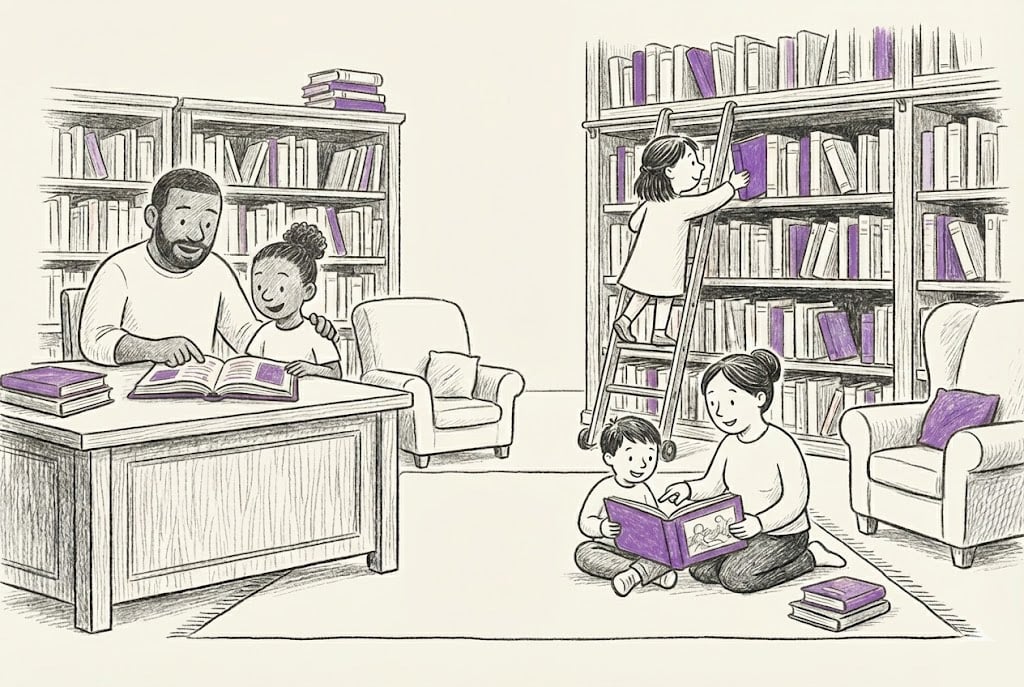
It’s Libraries Week—the perfect excuse (as if we needed one!) to celebrate one of the best inventions ever: the library.
Whether it’s the smell of well-loved pages, the excitement of finding a new story, or the quiet magic of a shared storytime, libraries are where reading adventures begin.
This week is all about shining a spotlight on the brilliant work libraries do to support reading across the UK. From free access to thousands of children’s books to fun literacy events and family activities, they help build confidence, curiosity, and a lifelong love of reading.
The power of libraries for young readers
Libraries aren’t just shelves of books—they’re treasure chests for growing minds. For children learning to read, they offer endless chances to explore, imagine, and connect with stories. Here’s why they’re so special:
- Unlimited choice: Libraries give children the chance to try different authors, genres, and reading levels—all for free. No pressure to buy the “right” book.
- Fun literacy events: Storytimes, book clubs, and author visits turn reading into a shared adventure, not a solitary task.
- Hands-on learning: Many libraries run reading challenges or creative workshops that build comprehension and confidence in playful ways.
- Quiet space: A peaceful place to sit with a book, away from the bustle of everyday life.
For even more tips on building reading confidence at home, visit our Helping Children Learn to Read page.

Bite-sized reading tips, straight to your inbox
Get confidence-boosting tips to help your child learn to read. Short, useful, and easy to fit into (real) family life!
Even better? You'll also get 25% off your first month of Reading Chest.
Fun ways to celebrate Libraries Week
There are so many ways to get involved—and you don’t have to whisper while doing them! Here are some ideas for making the most of your local library this week:
Join a storytime session
- Most libraries run special storytimes featuring classic tales and new favourites.
- Ask your child what they thought afterwards—who was their favourite character? What would they change about the story?
- Keep the fun going by acting out a scene together at home (costumes optional, but encouraged!).

Get crafty with book-themed activities
- Lots of libraries run craft sessions inspired by books—perfect for creative kids.
- Try simple at-home projects too, like designing your own bookmark or drawing a favourite character.
- If inspiration strikes, help your child write and illustrate their own mini-storybook.
Take on a family reading challenge
- Many libraries set reading challenges during Libraries Week—see how many books you can finish together!
- Set a family goal and celebrate when you reach it (maybe with a trip back to the library?).
- Turn your library haul into themed fun—try a “nature stories” week or a “mystery detectives” night at home.
Making library visits a family habit
Once you start visiting your library regularly, it quickly becomes one of the best parts of the week. Here’s how to make it stick:
- Pick a library day: Whether it’s Saturday mornings or after school mid-week, make it a little family ritual. Routine creates anticipation.
- Let them choose: Giving your child the freedom to pick their own books builds independence and excitement. Yes, even if they pick the same book five times.
- Join events: Keep an eye out for special author visits, reading clubs, or themed weeks—they’re free and fantastic.
- Chat to the librarians: They know brilliant books and love matching readers to stories. Ask for recommendations for your child’s interests.
Bring the library magic home
The joy of the library doesn’t have to stop when you walk out the door. You can keep the reading momentum going at home by:
- Setting up a cosy reading corner with cushions and a mix of library books and favourites from home.
- Encouraging your child to share what they’ve read through drawings, retellings, or little book reviews.
- Starting a “read together” tradition—taking turns to read a page or chapter aloud.
- Creating a simple home library where your child can “check out” their own books.
Celebrate your reader this week
Reading together is its own celebration. This activity helps children feel proud of their reading and lets them show off what they’ve discovered.
Reader of the week
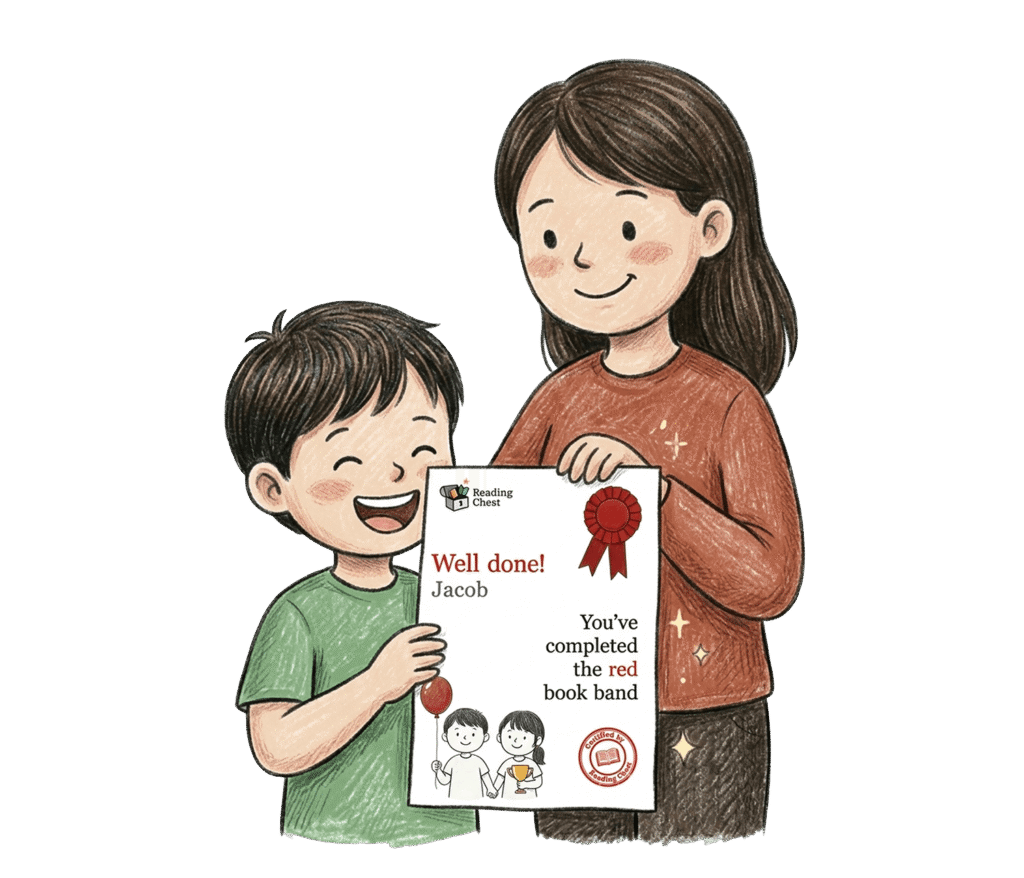
Run a weekly reading award in your own home. Celebrate effort, not perfection — a certificate and a bit of fanfare go a long way.
Goal
Build reading motivation by recognising effort in a fun, low-pressure way — because being noticed for trying is genuinely powerful.
You'll need
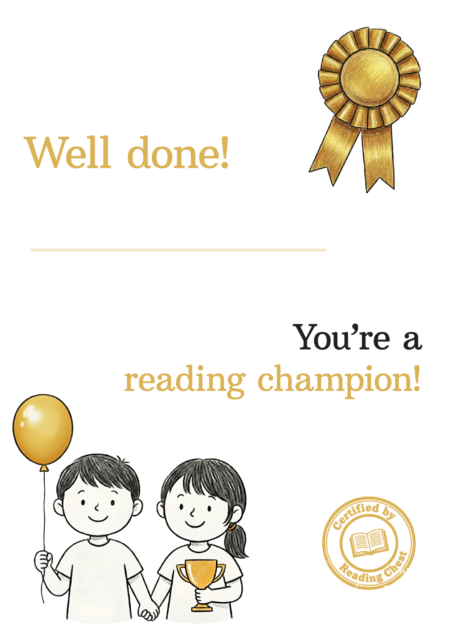
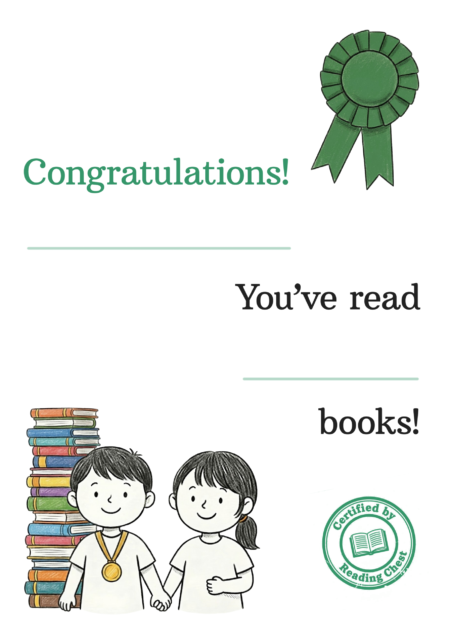
- Reading Champion Certificate or Reading Milestone Certificate
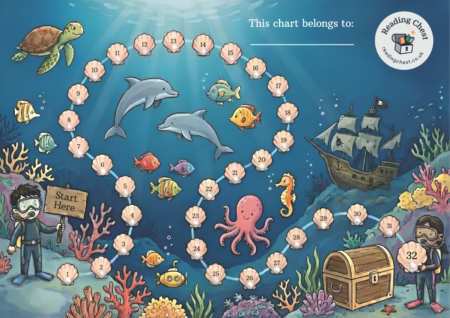
- Star chart (Underwater, Space or Pirate theme)
How to do it
Pick a day each week to announce your "reader of the week". The criteria are up to you — effort, trying a tricky word, finishing a book, or simply having a go on a day when they really didn't want to.
Award a certificate with a bit of ceremony. Make it feel like a proper moment: hand it over, say what they did well, let them display it somewhere. Add stars to the chart as a running record of brilliant reading moments.
Keep it light and rotation-friendly — you don't need a different winner every week. The goal is to make them feel seen for the work they're putting in, not just for being "good at reading".
Grab our resources
Print our reading champion certificate and reading milestone certificate to get started.
Turn reading into sharing
Asking children to write or draw about what they’ve read deepens their connection to books and builds confidence. This activity turns reading into something they can share and be proud of.
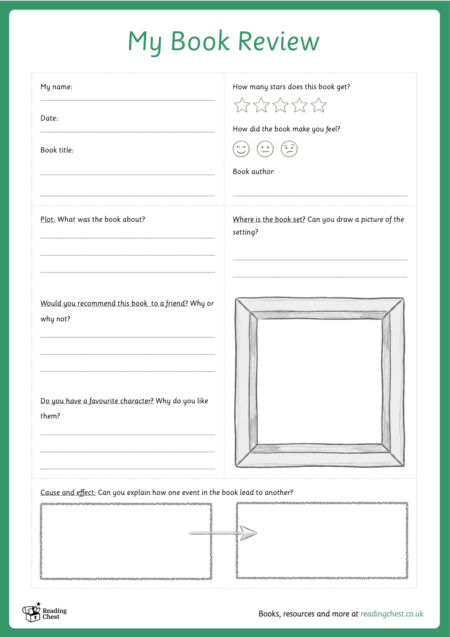
Write a book review
Fill in a short review while the book is still fresh — favourite moments, characters, whether they'd recommend it. Turns opinion into words.
Goal
Help your child organise their thoughts about a book and practise putting opinions into words — a skill that gets easier every time you do it.
You'll need
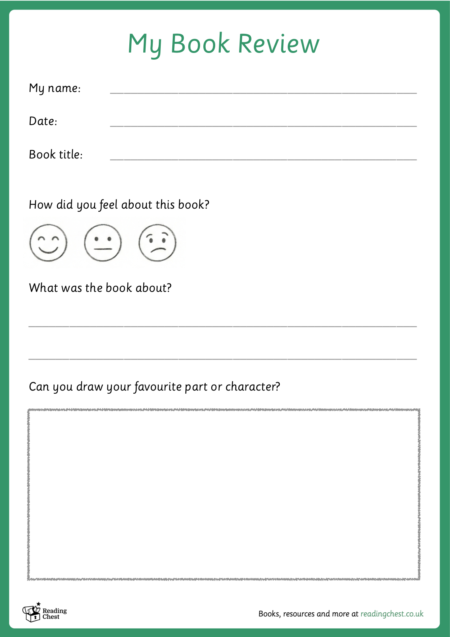
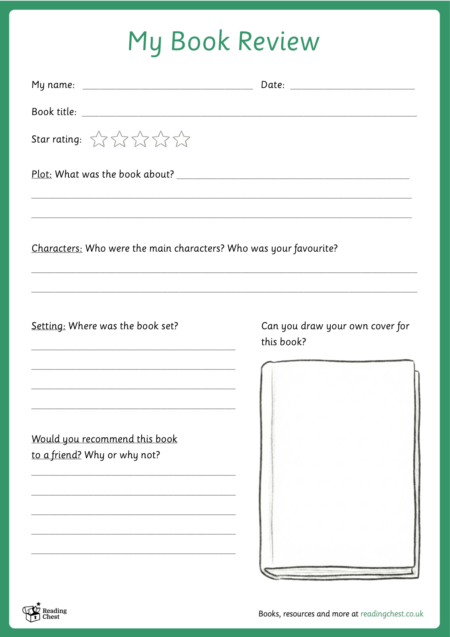
- Beginner, Intermediate or Advanced Book Review template — pick the right one for your child
- A book they've just finished
- Pencil and colouring pens
How to do it
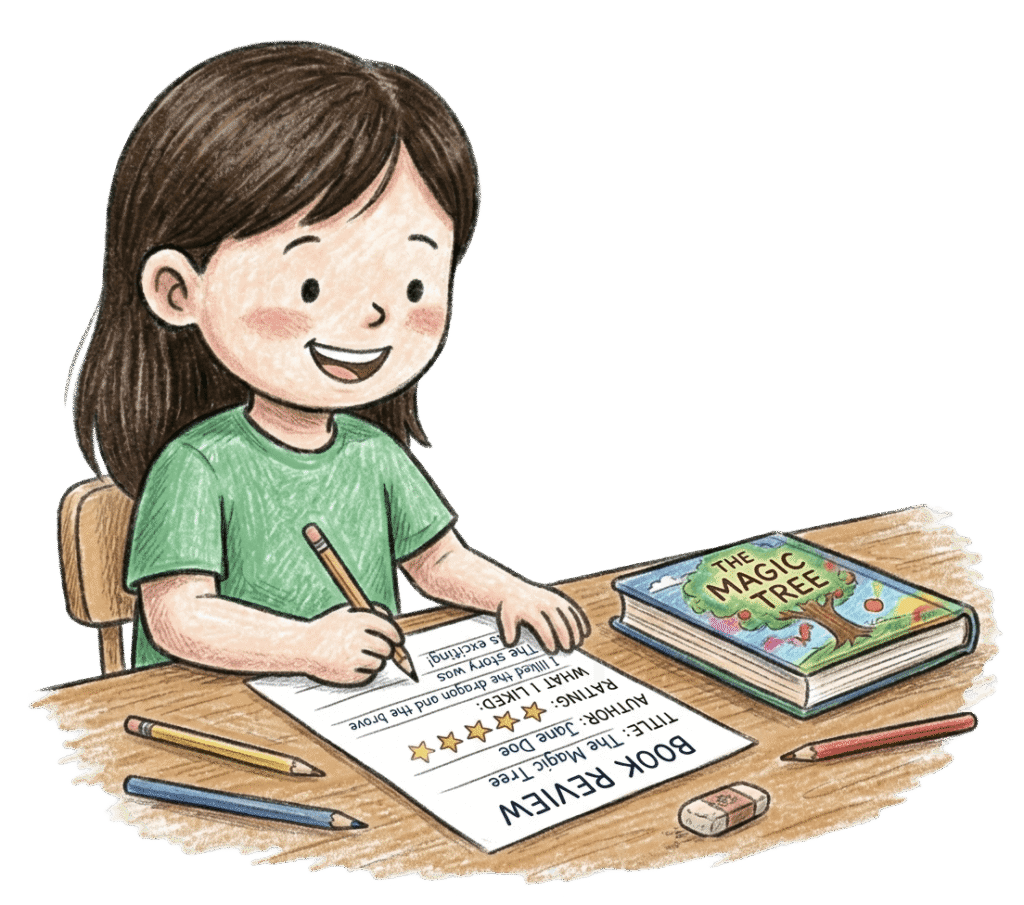
Choose the right template — beginner for younger or less confident writers, advanced for those who have plenty to say. Sit down together soon after they've finished the book, while it's all still clear in their mind.
Go through the review together rather than leaving them to fill it in alone. Ask the questions out loud first: "What was your favourite bit? Who was your favourite character? Would you tell a friend to read it?" Let them answer verbally, then help them put the answer into the box.
The goal isn't a perfectly written review — it's the habit of thinking carefully about a book and forming an opinion. That habit, practised regularly, builds real readers.
Grab our resources
We have beginner, intermediate and advanced book review templates — pick the one that matches your child's confidence and let them share their thoughts.
Frequently asked questions
When is Libraries Week in the UK?
Libraries Week typically takes place in October each year. The exact dates vary, so check Libraries Week UK or your local library’s website for this year’s dates. Your library runs events and activities all year round, so don’t worry if you miss the official week.
How do I get my child a library card?
Visit your local library with proof of your address (council tax bill, bank statement, or utility bill). It’s free and takes just a few minutes. Your child can choose their own card design and start borrowing books immediately. They’ll love having their own card—it makes them feel like a proper reader.
Are library books suitable for phonics learners?
Yes, libraries stock all the major reading schemes and phonics-based books. Ask the librarian for books matched to your child’s reading level. They understand phonics schemes and book bands well. Librarians are brilliant at matching the right book to the right child.
What can children do at the library?
Most libraries offer storytimes, reading clubs, craft activities, author visits, and summer reading challenges. Many have digital resources, audiobooks, and space to sit and read together. Some have special areas just for young children. It’s worth asking what your local library offers—many have more events than you’d expect.
How Reading Chest helps between library visits
Libraries are wonderful, but it’s not always easy to get there every week—and that’s where Reading Chest comes in. We make it simple to keep your child stocked up with fresh, phonics-based books at just the right level.
- Book Bands: Choose the right level for your child, from early readers to confident chapter-book explorers.
- Flexible Book Swapping: Return and receive books by post—no late fees, no stress.
- Activities: Fresh ideas for doing something with the stories you’re reading together.
Many families use both libraries and Reading Chest together—the library for free borrowing and discovery, and Reading Chest for keeping books that are just right flowing through the house.
Let’s celebrate reading together
Libraries Week is a wonderful reminder that stories connect us all—parents, children, and whole communities. Whether you’re attending a storytime, joining a reading challenge, or just curling up with a borrowed book, you’re helping your child build a lifelong love of reading.
So this week, head to your library. Breathe in the smell of pages. Watch your child’s face light up as they find a story that speaks to them. And remember—you’re not just borrowing books. You’re building a reader.
