
Contents
Mental Health Awareness Week (May, UK) is a reminder that looking after emotional wellbeing matters just as much as anything else. For children learning to read, books offer something quite special: a quiet space to explore feelings, find comfort, and realise they’re not alone.
Reading isn’t a cure for worry or sadness—but it can be a brilliant companion. A good story gives children permission to feel things. It shows them characters dealing with their own struggles. And it creates calm, connected moments with the people they love.
Here’s how you can use reading to support your child’s emotional wellbeing, and some ideas for Mental Health Awareness Week at home.
How reading supports emotional wellbeing
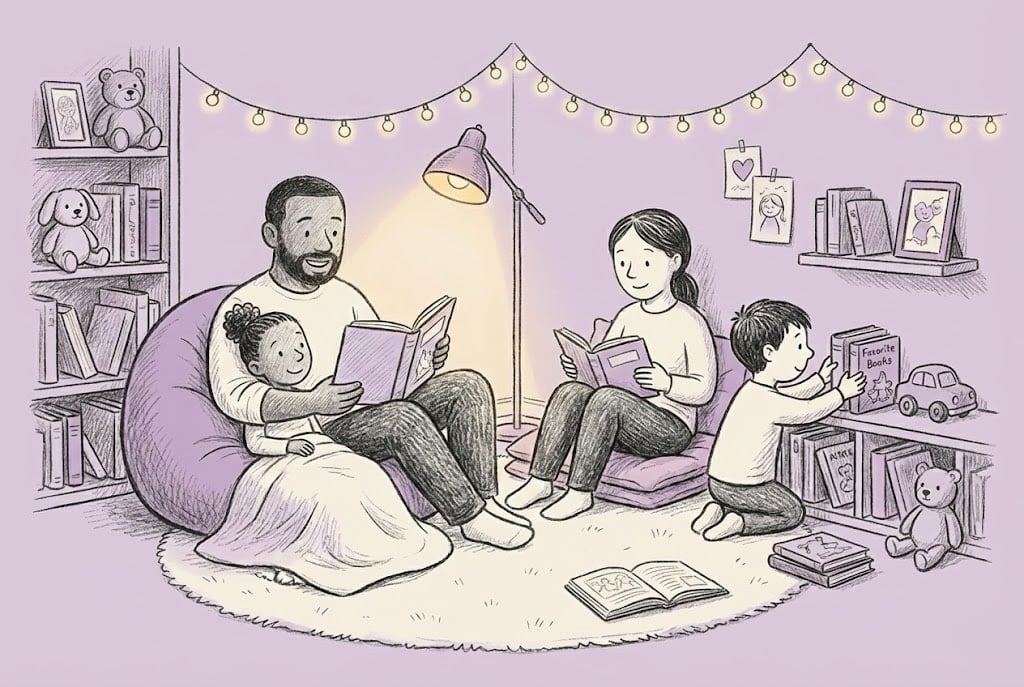
When children read (or listen to stories), something quiet happens inside. Their busy minds settle. They step into someone else’s world. And they often see their own feelings reflected back at them.
- It’s a safe space to feel things: Stories let kids experience big emotions—sadness, anger, fear, joy—without real-world consequences. They can sit with those feelings in the pages of a book.
- It builds empathy: Reading about characters’ struggles helps children understand that other people have hard times too. That’s comforting when they’re struggling.
- It’s calming: The rhythm of reading (especially being read to) slows down racing thoughts and creates a sense of safety and routine.
- It opens conversations: A story about a worried mouse or an anxious dragon can be the perfect springboard for “Does that character feel like you sometimes?”
Bite-sized reading tips, straight to your inbox
Get confidence-boosting tips to help your child learn to read. Short, useful, and easy to fit into (real) family life!
Even better? You'll also get 25% off your first month of Reading Chest.
Books that explore emotions and mental health
The best books for children’s emotional wellbeing don’t lecture—they show. Here are some themes to look for:
Stories about worry and anxiety
Books where characters feel nervous or scared—and work through it—can be really reassuring. Your child sees that even book characters feel worried sometimes, and that it’s okay.
Books about sadness and loss
Gentle stories that touch on sadness help children understand that sad feelings are part of life. They’re not something to be ashamed of.
Stories about friendship and belonging
Books celebrating kindness, inclusion, and being yourself are powerful for wellbeing. They remind children that they matter and that connection with others is healing.
Creating a calming reading routine
One of the most powerful things reading does for mental health is create a moment of calm. Not every day needs to be elaborate—sometimes the best routines are the simplest.
- Bedtime reading: A story before sleep signals to your child’s brain that it’s time to wind down. Predictable and comforting.
- Morning bookmark moments: Even five minutes with a book before the day gets hectic can set a peaceful tone.
- Reading together: There’s something deeply reassuring about sitting close to someone you trust while listening to a story. It’s connection and calm combined.
- Quiet time with a book: A child who needs a break from the world knows they can retreat to their book. It becomes a safe place.
If your child is reluctant to sit down with a book, audiobooks can be just as soothing. Listening while colouring, building with blocks, or lying quietly still counts. It’s the calm, story-filled moment that matters.
Using stories to talk about emotions
After you’ve finished a story, you don’t need a formal conversation. A casual chat can be more powerful.
- “How do you think that character was feeling?” — Open-ended questions let kids share if they want to.
- “Have you ever felt like that?” — Gently inviting them to connect the story to their own life.
- “What do you think helped the character feel better?” — This one’s useful because it explores coping strategies.
- “Which character would you want to be friends with?” — Sometimes kids reveal what they value (kindness, bravery, silliness) through who they pick.
Looking after bigger worries
Books and reading are wonderful support. But they’re not a substitute for real help if your child is struggling with anxiety, sadness, or other worries that aren’t shifting.
If you’re concerned about your child’s mental health, chat with your GP, health visitor, or school. There’s no shame in asking for support—and early help makes a real difference.
In the meantime, reading together is a gentle, loving thing you can do. It says: “You’re safe. I’m here. Let’s explore this together.”
Reading activities that support wellbeing
Try reading together as a shared moment of connection and calm. This activity is perfect for building that safe, settled feeling.
If you want a quick, grounding activity that’s also soothing, this five-minute habit is ideal for creating a pocket of calm in the day.
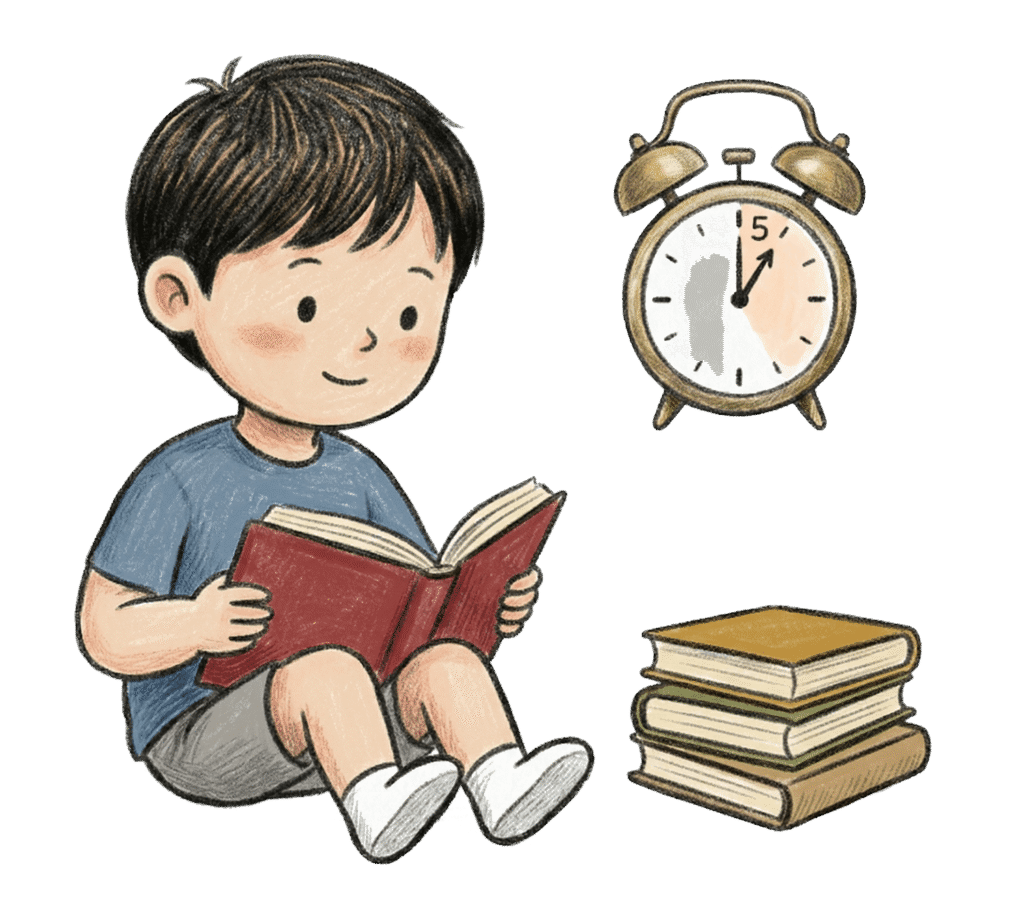
The five-minute reading habit
Five focused minutes with the right book beats an hour of reluctant page-turning. Short daily sessions are where the real progress happens.
Goal
Build confidence and fluency through short, consistent daily reading — because regularity matters more than duration.
You'll need
- A decodable book at the right level
- A comfy spot
- A bit of patience
How to do it
Sit together and read a couple of pages. Let your child point to each word as they sound it out. If they get stuck, give them a moment before you step in — sometimes they just need a second.
When they do need help, try: "Say the sounds, then blend" rather than just saying the word for them. Keep the session upbeat. End it before anyone gets tired.
Five minutes every day adds up to over 30 hours of reading practice in a year. That's not nothing — that's everything. The habit matters more than the duration.
Grab our resources
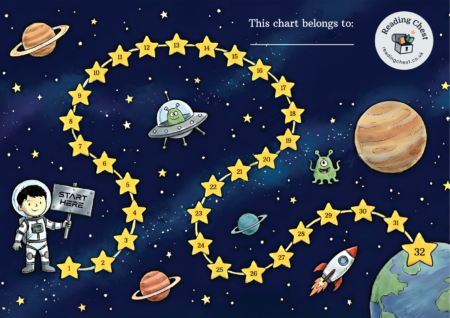
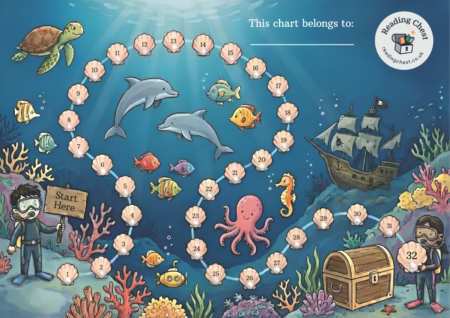
Our handy star charts are the perfect way to track your daily progress as you tick off those five minute reads!
Frequently asked questions
Can reading actually help children with anxiety?
Reading won’t cure anxiety, but it can help. Calm, predictable reading time lowers stress. Stories that show characters managing worry help children feel less alone. And connecting with a parent or carer while reading builds security. Combined, these things support emotional wellbeing alongside other help if needed.
What if my child doesn’t like sitting down to read?
Not every child sits quietly with a picture book—and that’s fine. Try audiobooks, reading in the car, or just a few pages at a time. The goal is a calm moment with a story, not a perfect reading session. Some children need to fidget while they listen. Let them.
When is Mental Health Awareness Week?
In the UK, Mental Health Awareness Week typically falls in May each year. It’s a chance for families, schools, and communities to focus on emotional wellbeing and starting conversations about mental health.
How do I talk to my child about their feelings if they don’t naturally open up?
You don’t always need a big conversation. Sometimes asking “How did that character feel?” is easier than “How are you feeling?” Stories give children permission and distance to explore big emotions. Keep questions simple, avoid pressure, and listen more than you talk.
Reading is one of the gentlest ways to say to your child: “Your feelings matter. You’re not alone in this. Let’s sit together.” During Mental Health Awareness Week and beyond, that quiet moment is a gift.
Browse our collection of books to find stories that resonate with your child’s interests and emotional journey.
