Contents
Oxford Reading Tree (ORT) is the most widely used reading scheme in UK primary schools — the home of Biff, Chip, and Kipper, and the books most likely to be sitting in your child’s school bag right now. ORT uses a numbered level system from 1 to 20, and understanding what those numbers mean can help you know where your child is in their reading development and what to expect next.
Here’s what each level covers, how they map to year groups and book band colours, and what you can do to support reading at home.
What Oxford Reading Tree is
Oxford Reading Tree is published by Oxford University Press and has been in UK schools since the 1980s. It’s not a phonics programme in itself — it’s a levelled reading scheme, which means it provides a structured sequence of books with increasing complexity. Many schools pair ORT books with their phonics programme for the decodable reading children do at home.
The scheme covers a wide range, from very simple pre-reader books (Levels 1 and 1+) right up to Level 20, which covers reading appropriate for upper primary. Most children entering school will start around Level 1 and work through the early levels during Reception and Year 1.
Bite-sized reading tips, straight to your inbox
Get confidence-boosting tips to help your child learn to read. Short, useful, and easy to fit into (real) family life!
Even better? You'll also get 30% off your first month of Reading Chest.
Oxford Reading Tree levels by year group
These are approximate expectations. Children move through levels when they’re reading a book fluently and with comprehension — not just when they can decode most of the words. Individual children vary significantly, and some children move through levels faster or more slowly than these typical ranges.
| Book Band | Color | ORT Level |
|---|---|---|
| Pink book band | ORT Level 1+ | |
| Red book band | ORT Level 2 | |
| Yellow book band | ORT Level 3 | |
| Blue book band | ORT Level 4 | |
| Green book band | ORT Level 5 | |
| Orange book band | ORT Level 6 | |
| Turquoise book band | ORT Level 7 | |
| Purple book band | ORT Level 8 | |
| Gold book band | ORT Level 9 | |
| White book band | ORT Level 10 | |
| Lime book band | ORT Level 11 | |
| Extended book band | ORT Level 12 & 13 |
ORT levels and book bands
ORT levels broadly correspond to the national book band colour system that most UK schools use, but the mapping isn’t exact. A book at ORT Level 4 is approximately Yellow band, but individual books within a level can vary, and different publishers map their books to colours slightly differently.
The book band system — Pink, Red, Yellow, Blue, Green, Orange, Turquoise, Purple, Gold, White, Lime — is designed as a cross-scheme framework, so children can move between ORT books and books from other publishers at a similar level.
Your child’s school uses book bands to manage this: when the teacher says your child is “on Yellow”, that means Yellow band, and ORT Level 4 books are one source of appropriate reading material.
For a full explanation of the book band colour system and how all the major schemes map onto it, our book bands guide has the complete picture.
How schools allocate ORT books
Schools allocate reading books based on a child’s current reading level, assessed by the teacher through listening to your child read and monitoring comprehension. The aim is always to find the level where your child can read the book with at least 95% accuracy — meaning they successfully decode at least 19 out of every 20 words — while still experiencing some challenge.
Children move up when they’re reading fluently and showing comprehension — not just when they can decode the words, but when they understand and can discuss what they’ve read.
If you feel your child has been on the same level for a long time and is clearly ready to move up, it’s worth having a conversation with their teacher.
Supporting your child at home
The most important thing when reading ORT books at home is to focus on meaning, not just decoding. After your child has read a few pages, ask simple questions: “What just happened?” “How do you think Kipper feels?” “What do you think will happen next?” These conversations build comprehension alongside the decoding practice.
A few practical tips:
- Don’t race through levels. Moving up before fluency is established at the current level undermines the whole purpose of levelling. It’s better to read a few books at the current level comfortably than to push up too quickly.
- Mix home reading with pleasure reading. ORT school readers are practice books, not pleasure books for most children. Alongside the school reader, make sure your child is also reading (or being read to from) books they’ve chosen themselves, at whatever level they enjoy.
- Use the Oxford Owl website. Oxford University Press provides free access to many ORT eBooks, which your child can use at home if the school hasn’t sent a physical book home.
Reading Chest members can also borrow ORT books directly — we have an extensive collection of Oxford Reading Tree books available to rent, which can supplement what the school sends home or provide additional practice at the same level.
This activity is a good fit for getting more out of the ORT books your child brings home:
Picture-cover reading
Cover the pictures and read the words first. Then uncover and re-read. It sounds simple — but it makes a real difference to how children approach a page.
Goal
Encourage real decoding rather than guessing from pictures — a habit that pays off as books get harder and illustrations get fewer.
You'll need
- A decodable book
- Two sticky notes
How to do it
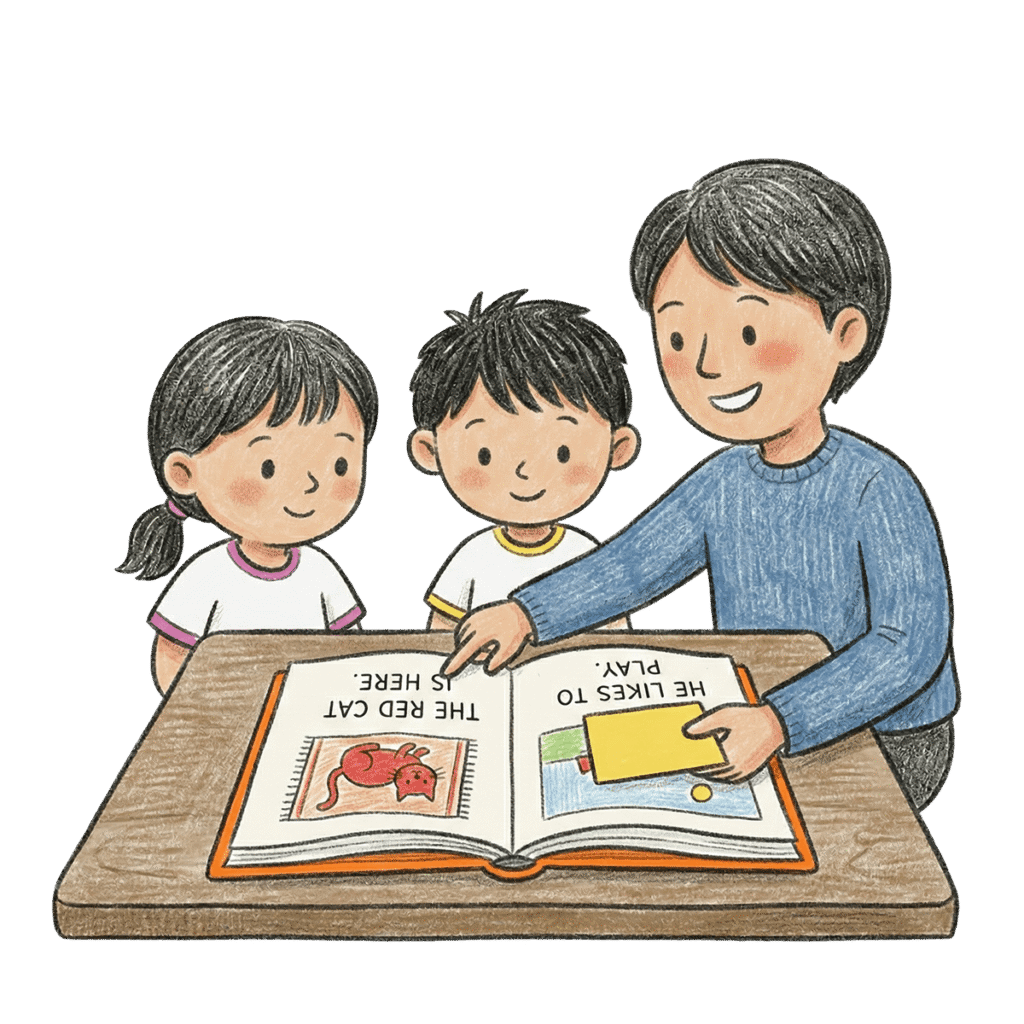
Open the book to a page and cover the illustration with a sticky note. Ask your child to read the words first — just the text, no picture clues.
Once they've had a go (stumbles and all), take away the sticky note and re-read the page together with the picture revealed. Talk about what the picture adds. Did it match what they imagined? Did it help them understand anything differently?
This doesn't need to be every page — even doing it once or twice in a session is enough. The goal is to build the habit of trusting the words, not just guessing from the picture. That's a big deal as books get longer.
Grab our resources
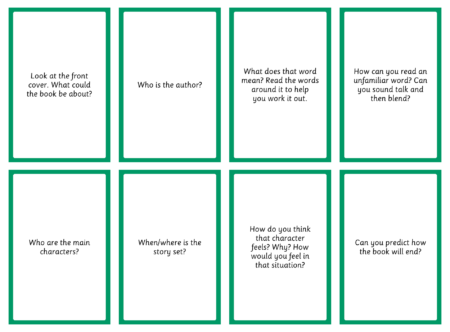
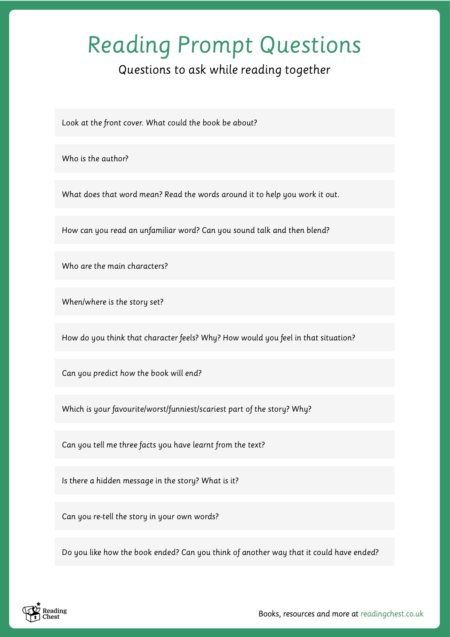
Looking for some help with questions to ask after your reading session? These prompts give you a great starting point.
And this one builds the daily reading habit in a way that makes home reading feel rewarding rather than obligatory:
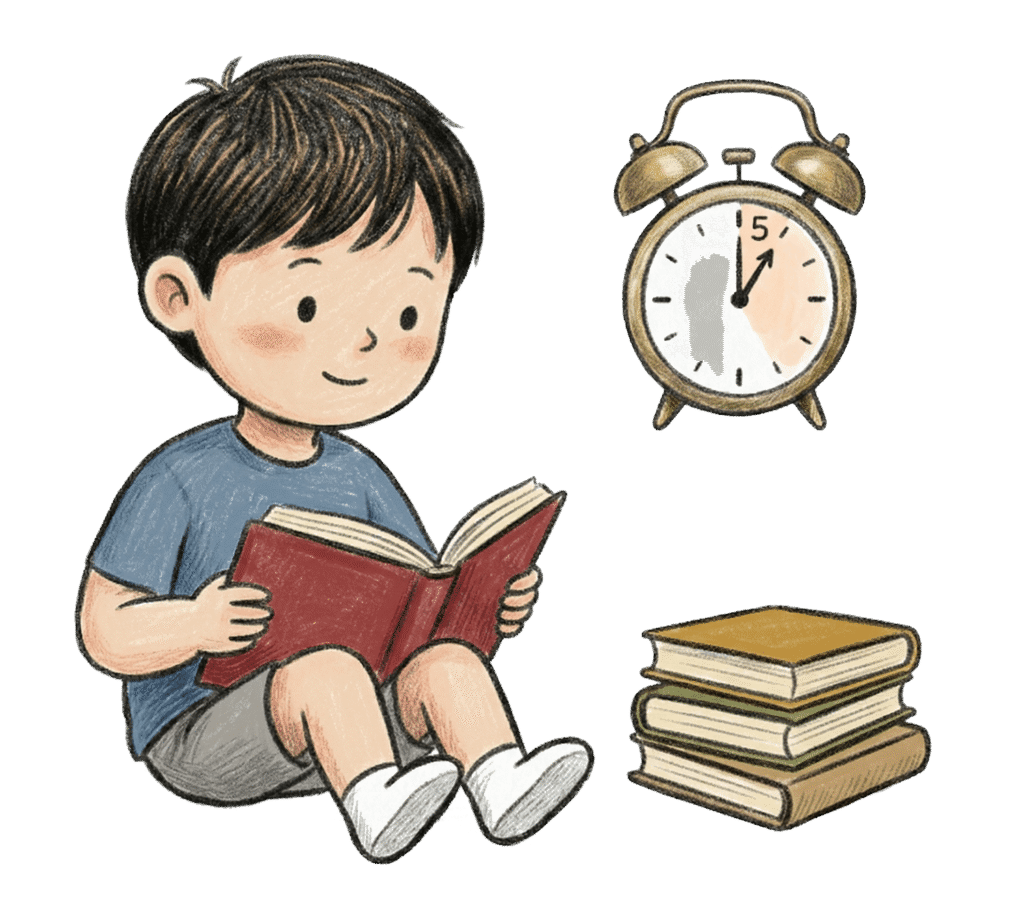
The five-minute reading habit
Five focused minutes with the right book beats an hour of reluctant page-turning. Short daily sessions are where the real progress happens.
Goal
Build confidence and fluency through short, consistent daily reading — because regularity matters more than duration.
You'll need
- A decodable book at the right level
- A comfy spot
- A bit of patience
How to do it
Sit together and read a couple of pages. Let your child point to each word as they sound it out. If they get stuck, give them a moment before you step in — sometimes they just need a second.
When they do need help, try: "Say the sounds, then blend" rather than just saying the word for them. Keep the session upbeat. End it before anyone gets tired.
Five minutes every day adds up to over 30 hours of reading practice in a year. That's not nothing — that's everything. The habit matters more than the duration.
Grab our resources
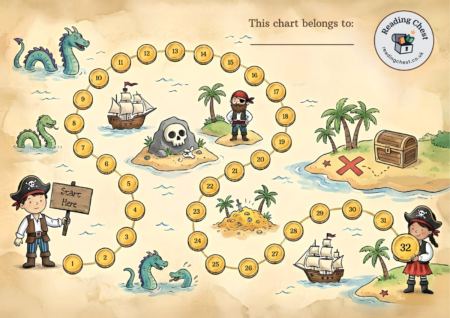
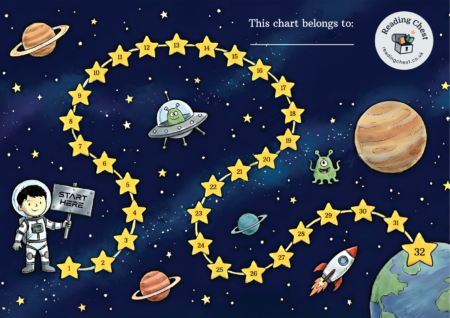
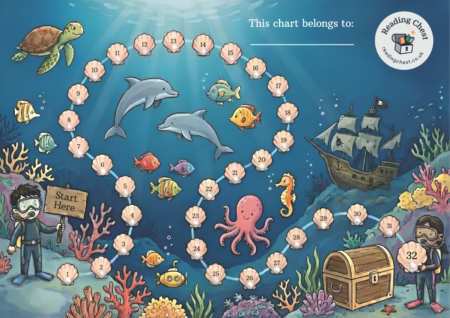
Our handy star charts are the perfect way to track your daily progress as you tick off those five minute reads!
Frequently asked questions
Are higher ORT levels better? Should I want my child to move up quickly?
Being on a higher level means reading more complex books — it doesn’t mean being a “better” reader. What matters is that your child is reading fluently and with comprehension at their current level, enjoying books, and progressing steadily over time. Rushing through levels before they’re ready often means poor fluency and weak comprehension, which can stall development later. Slow, thorough progress through levels is usually better than fast, thin progress.
Why does my child bring home the same ORT book more than once?
Re-reading books builds fluency. Reading a familiar text at speed and with expression — the second or third time through — is one of the most effective ways to develop automatic word recognition. It doesn’t mean your child hasn’t understood or isn’t progressing; it means their teacher is using re-reading deliberately. You can also treat it as an opportunity: “You know this one — can you read it really expressively this time?”
My child is on ORT Level 3 but their friend is on Level 6 — should I be worried?
Children develop reading at different rates, and being on a lower level doesn’t mean something is wrong. What matters is whether your child is making steady progress over time — whether they’re further along than they were a term or year ago. If your child has been on the same level for many months without progress, or if they’re finding school reading very effortful, that’s worth discussing with their teacher. But a difference between children’s levels, on its own, is not a cause for concern.
Is ORT the same as Oxford book bands?
They’re related but different. ORT levels are specific to Oxford Reading Tree books. Oxford book bands (Pink, Red, Yellow, Blue, etc.) are a broader framework applied across many different publishers’ books. ORT books carry both a level number and a colour band, and they broadly correspond — but other publishers’ books are only colour-coded, not ORT-numbered. When a school talks about book bands, they mean the colour system, not the ORT level specifically.
