Contents
Every year on September 13th, families everywhere celebrate Roald Dahl Day – the birthday of one of the greatest children’s authors of all time. Roald Dahl’s books have been making children laugh, gasp, and fall completely in love with reading for generations. And the magic of his stories is every bit as potent today as it was decades ago.
What makes Roald Dahl so special? It’s his mischievous humour, his unforgettable characters, and those sneaky life lessons tucked between the lines. His stories have a quality that makes you want to read them out loud – to perform them, to share the jokes, to do silly voices. That’s when the real magic happens.
So whether your child is already a passionate Dahl fan or you’re thinking about diving into his world for the first time, let’s explore how to celebrate Roald Dahl Day at home – and how to keep that spark alive all year round.
The magic of Roald Dahl stories
Roald Dahl had a gift that few authors possess: he understood children’s humour, their sense of justice, and their capacity for wonder. His stories aren’t written down to children – they’re written straight to them, assuming they’re clever enough to understand a joke, brave enough to face a villain, and imaginative enough to believe in giant peaches and chocolate factories.
What makes his books so irresistible:
- Adventures galore: From golden tickets to giant peaches, you never quite know where the next page will take you. The sheer strangeness of his worlds keeps children utterly hooked.
- Playful wordplay: Think of the gloriumptious gobblefunk in The BFG – words so silly and wonderful that children can’t help but join in. Dahl invents words, plays with language, makes reading feel like a game.
- Hilarious characters: Whether it’s the despicable Miss Trunchbull or the magnificent Mr Wonka, Dahl’s characters are so vivid they feel real. Children develop genuine feelings about them – they cheer for the heroes and hiss at the villains.
- Big-hearted morals: Beneath all the chaos and humour, Dahl’s tales are about kindness, bravery and standing up for what’s right. The good characters are genuinely good; the bad characters get their comeuppance. There’s a moral clarity that appeals to children’s sense of fairness.
Dahl wrote books that children desperately want to read – not because they’re assigned, but because they’re genuinely brilliant.
Bite-sized reading tips, straight to your inbox
Get confidence-boosting tips to help your child learn to read. Short, useful, and easy to fit into (real) family life!
Even better? You'll also get 25% off your first month of Reading Chest.
Which Roald Dahl books suit which age?
One of the lovely things about Roald Dahl is that there’s something for almost every age – from picture books for the very young to full novels for older children. Here’s a rough guide:
Early readers (ages 4–5)
Start with picture book versions of Dahl stories – The Enormous Crocodile or Fantastic Mr Fox adapted for younger readers. The illustrations bring the stories to life, and the narrative is pared down but keeps that distinctive Dahl voice.
Developing readers (ages 5–7)
The Enormous Crocodile, Fantastic Mr Fox, and The Magic Finger work beautifully at this stage. The stories are shorter, the chapter breaks give natural stopping points, and they’re the perfect length for reading aloud over several weeks.
Confident readers (ages 7–9)
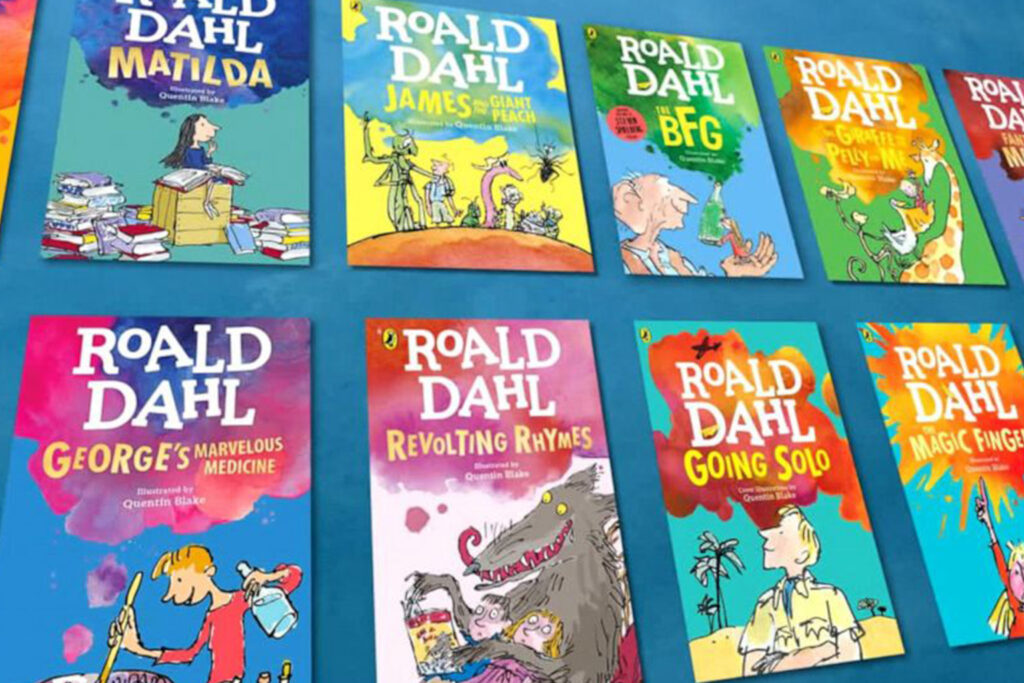
This is when the full magic opens up: Charlie and the Chocolate Factory, Matilda, The BFG, James and the Giant Peach, Esio Trot, and The Witches. These are the novels that create lifelong readers.
Older children (ages 9+)
The Twits, George’s Marvellous Medicine, Boy (his autobiography), and Danny the Champion of the World all work brilliantly for this age group.
A note on reading levels: don’t be too rigid. If your child is desperate to read Charlie and the Chocolate Factory and they’re technically a bit young, read it aloud together. The shared experience often matters more than reading it independently.
Fun ways to celebrate Roald Dahl Day
Read a Roald Dahl book aloud together
This is the heart of Dahl celebration. Pick a book that suits your child’s age and start reading. Let characters’ voices be silly, let yourself enjoy the funny bits, pause to talk about what’s happening. Reading Dahl aloud is where the magic truly lives.
Build a Roald Dahl reading nook
Create a cosy space dedicated to Dahl. Pile up cushions and blankets, add fairy lights, and stock it with Roald Dahl books. Add props if you can – a golden ticket tucked into Charlie and the Chocolate Factory, a witch’s hat, a pair of fox ears. Make it a space your child genuinely wants to spend time in.
Craft story props together
Get creative and bring the books off the page:
- Make a Fantastic Mr Fox mask for dress-up adventures
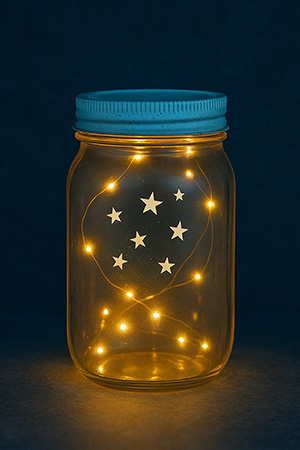
- Create glowing dream jars from The BFG (fairy lights in a jam jar work beautifully)
- Design “Matilda’s magic notebook” for your child to write their own stories in
- Make a golden ticket for Charlie and the Chocolate Factory
- Create character masks for the different witches from The Witches
Storytelling with character voices
Roald Dahl’s books were made to be performed. Try out silly voices for each character – different accents, different pitches, exaggerated expressions. Children find this hilarious and it deepens their engagement with the story. Ask your child to help you create character voices. Better yet, ask them to retell a favourite scene in their own words, doing all the voices themselves.
Play character guessing games
Describe a character without naming them and see if your child can guess who it is. Or ask them to describe a character for you to guess. This builds comprehension and keeps the focus on the memorable characters Dahl creates.
Write your own Dahl-inspired tale
Give your child the chance to be the author:
- Ask them to give a classic Dahl story a twist – what if Willy Wonka ran a zoo? What if Matilda was a wizard?
- Offer fun prompts: “What’s inside the world’s strangest chocolate bar?” or “Invent a new magical potion and describe what it does.”
- Encourage them to draw illustrations and share their story at family storytime
Visit the Roald Dahl Museum (if you can)
If you’re near Great Missenden in Buckinghamshire (where Dahl lived), the Roald Dahl Museum is brilliant. If not, many libraries run Roald Dahl Day events – check what’s happening near you.
Practical activities that build reading enjoyment
Here are two activities that work beautifully when reading Roald Dahl – they deepen engagement and help children think about stories in richer ways:
This activity helps children engage creatively with stories and make predictions – perfect for Dahl’s wonderfully unpredictable plots:
Stop-the-story choices
Pause mid-story and ask: what do you think will happen next? Read on and find out whose guess was closest. Keeps minds engaged right through to the last page.
Goal
Practise predicting and thinking ahead while reading — building comprehension and keeping attention right where it should be: on the story.
You'll need
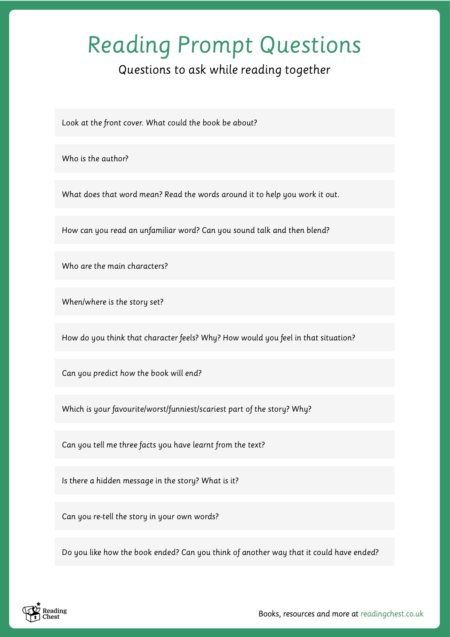
- Reading Prompt Questions
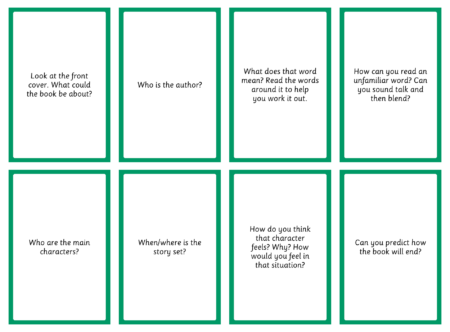
- Reading Prompt Cards
How to do it
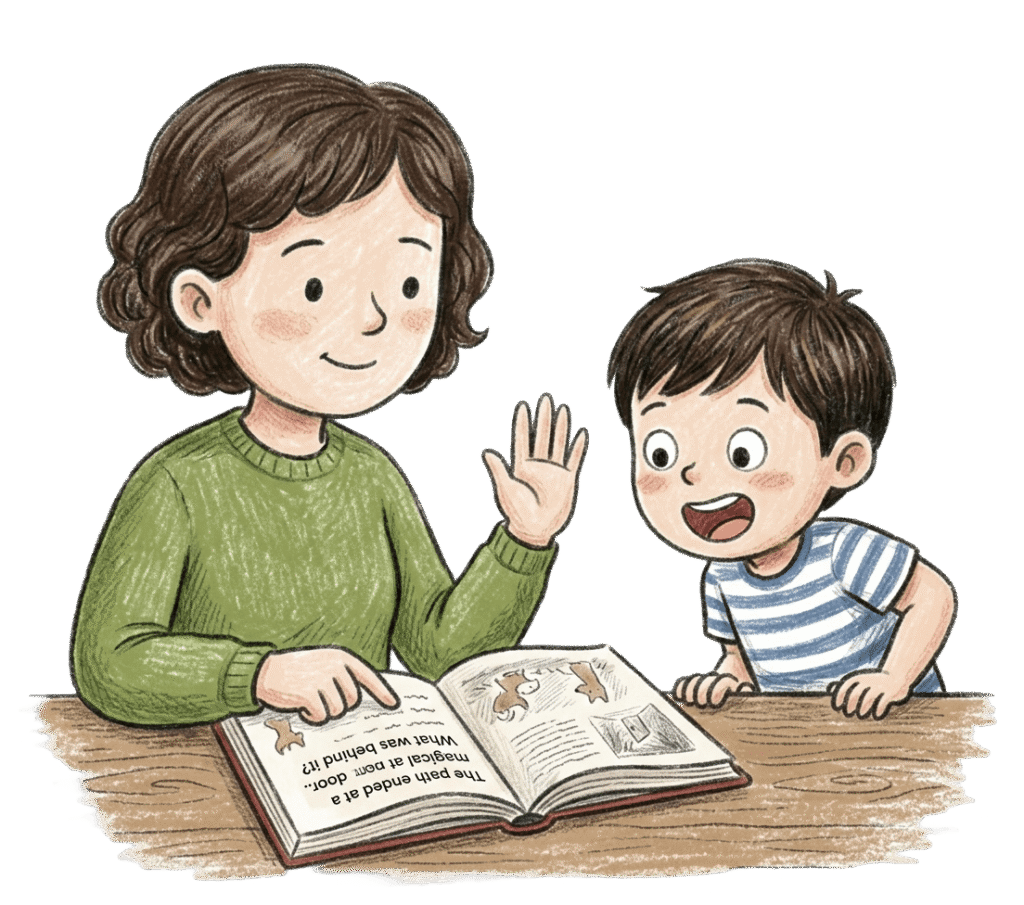
Read together until you hit a turning point — a cliffhanger, a choice, a moment of tension. Stop. Ask: "What do you think happens next?" Let them share their idea, however far-fetched.
Use the prompt cards if you need a nudge: "Why did they do that?" or "What would you do in their position?" Then read on and find out.
When the real outcome arrives, compare it to their prediction. "You were almost right!" or "Nobody saw that coming!" are equally good reactions. The habit of thinking ahead while reading is one of the most useful comprehension skills there is — and this is how it gets built.
Grab our resources
Print our reading prompt questions and reading prompt cards to get started.
And this activity encourages children to think deeply about story endings and imagine alternatives – great for exploring Dahl’s twist endings and character journeys:
Build the setting
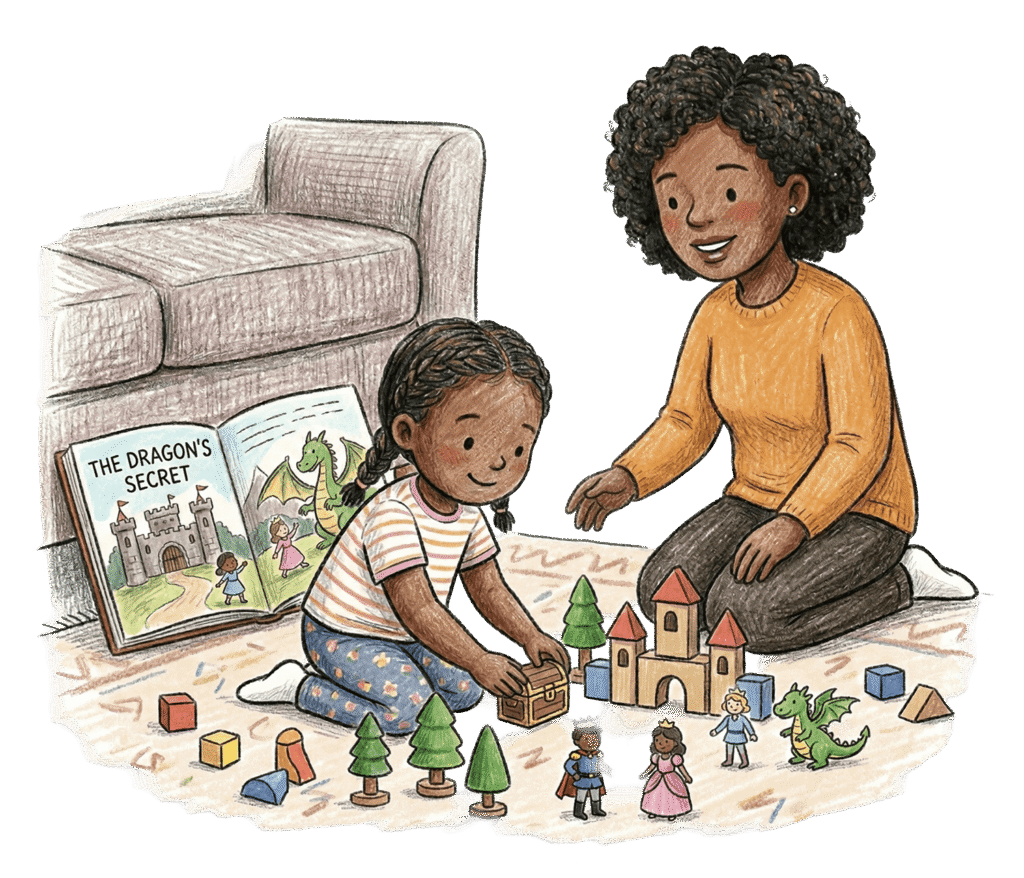
After reading, build the story's setting out of toys, blocks, cushions or paper. Then re-read a scene from inside the world you've made.
Goal
Help your child picture the story world in 3D — deepens comprehension and makes the book feel real and worth revisiting.
You'll need
- Reading Prompt Cards
How to do it
When you've finished a story, ask: "Where did it happen? What did it look like there?" Then build it — use toys, blocks, cushions, a big piece of paper, whatever's around. A forest of socks counts.
Place any characters you have in the scene. Then open the book and re-read a passage or two while you're sitting inside your version of the story world. It feels completely different when you're "in" it.
Use the prompt cards to spark conversation: What would you hear here? What might happen next? What's just out of view? It's a hands-on way to dig deeper into a story without it feeling like work.
Grab our resources
Print our reading prompt cards to get started.
Keeping Roald Dahl magic alive all year
Roald Dahl Day might only come once a year, but the magic of his stories can live in your home every day. Here’s how:
Make reading aloud a daily habit
Even ten minutes of reading together makes a difference. If you’re working through a Roald Dahl book, do a chapter a night. That consistency builds anticipation and becomes something you both look forward to.
Link stories to real life
Talk about the choices characters make. “Why do you think Matilda kept reading even though her parents didn’t care?” or “What would you have done in Charlie’s place?” These conversations deepen comprehension and help children think about stories beyond just the plot.
Keep exploring
Once your child finishes one Dahl book, guide them to another. His whole body of work is worth discovering. And if they loved the humour in Charlie and the Chocolate Factory, they’ll probably adore The Witches or Matilda too.
Not sure what book comes next? Our tips on choosing books guide can help you find the next brilliant story – whether it’s by Dahl or another author.
Why celebrating authors like Roald Dahl matters
When you celebrate Roald Dahl, you’re not just marking a date on the calendar. You’re saying to your child: stories matter. Authors matter. Reading is something we celebrate together.
Children who grow up in homes where books are celebrated – where authors are talked about, where favourite characters feel real, where stories are read aloud with enthusiasm – grow into lifelong readers. The magic of a book like Charlie and the Chocolate Factory isn’t just the story itself. It’s the memory of reading it with someone you love, the experience of sharing that world together.
That’s what Roald Dahl Day is really about.
Frequently asked questions
When is Roald Dahl Day?
Roald Dahl Day is celebrated on September 13th each year – his birthday. Many schools and libraries organise special events around this date. It’s a perfect opportunity to dive into his books or discover them for the first time.
What age are Roald Dahl books suitable for?
There’s a Roald Dahl book for almost every age. Picture book versions suit ages 4–5. Fantastic Mr Fox and The Enormous Crocodile work from age 5–7. The full novels like Charlie and the Chocolate Factory and Matilda suit ages 7–9. Don’t be rigid about age – if your child is keen, read aloud together regardless of their age.
How do I celebrate Roald Dahl Day at home?
Read a Roald Dahl book aloud, build a cosy reading nook, create character props, do silly character voices, play guessing games, or write a Dahl-inspired story together. The simplest celebration – reading together – is the most powerful one.
What’s the best Roald Dahl book for a reluctant reader?
The Enormous Crocodile or Fantastic Mr Fox are brilliant starting points – they’re shorter, have wonderful illustrations, and are funny enough to hook reluctant readers. If your child prefers stories about animals, try Fantastic Mr Fox. If they love adventure and danger, The Enormous Crocodile might work better.
Roald Dahl Day is a brilliant reminder that reading can be joyful, funny, thrilling and absolutely magical. Whether you’re introducing his books to your child for the first time or re-reading a beloved favourite, the real celebration is in spending time with stories and characters that matter. That’s the whizzpopping magic Roald Dahl gave to the world.
