Contents
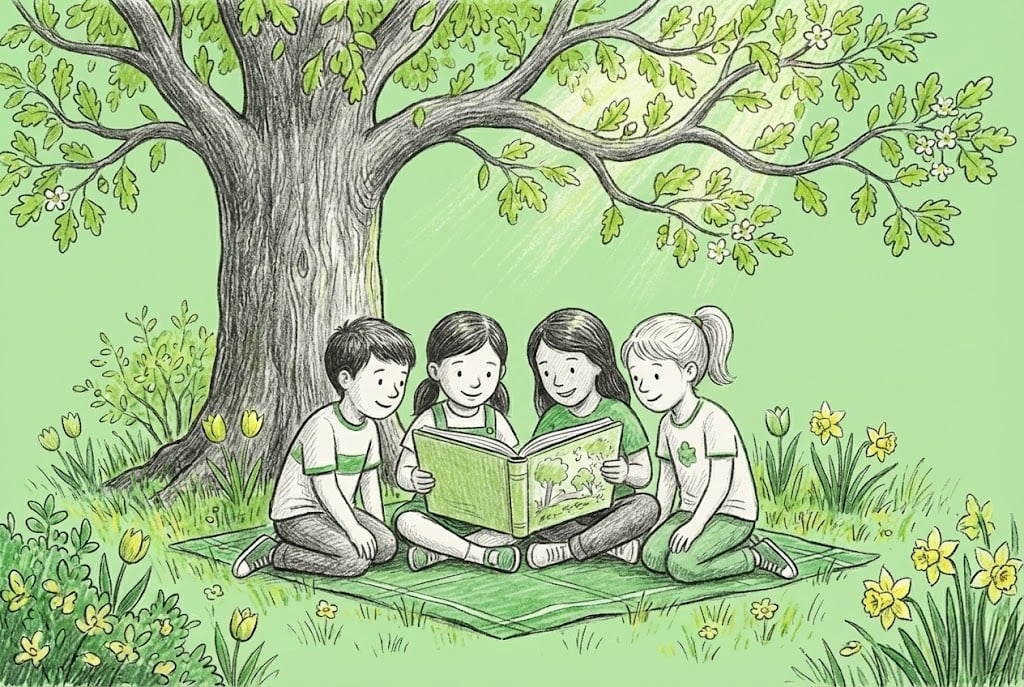
Spring is a season of renewal, growth, and fresh beginnings. As flowers bloom and days grow longer, it’s the perfect time to refresh your child’s reading routine and celebrate the joy of books. There’s something about spring that just feels hopeful—and that energy carries over beautifully into reading.
By integrating seasonal themes into storytelling and reading activities, parents can make books even more engaging for young readers. Spring provides an excellent backdrop for exploring stories about nature, change, and adventure, whether through outdoor reading sessions, creative crafts, or phonics-based games. Here are some wonderful spring reading ideas to enjoy with your child.
The symbolism of spring
Spring represents renewal, growth, and transformation—concepts that resonate beautifully with reading and storytelling. Children can explore these themes through books about planting, animals waking from hibernation, and the excitement of new beginnings. What’s brilliant about spring is that it gives you concrete, visible things to talk about—buds appearing, birds returning, insects emerging—which makes stories feel connected to real life.
- Growth and change: Stories about caterpillars turning into butterflies or seeds sprouting into plants help children understand and appreciate transformation. These stories show that change is natural and often beautiful.
- New adventures: Spring is a time of exploration! Books that feature outdoor discoveries and new friendships tie in well with the excitement of the season.
- Weather and nature: Rain showers, blooming flowers, and singing birds make spring a sensory-rich season, perfect for themed reading experiences.
Bite-sized reading tips, straight to your inbox
Get confidence-boosting tips to help your child learn to read. Short, useful, and easy to fit into (real) family life!
Even better? You'll also get 25% off your first month of Reading Chest.
Creative spring reading activities
Nature walk and storytelling
One of the best ways to combine literacy with outdoor fun is by taking a nature walk and turning observations into stories.
- Ask your child to describe what they see—flowers, birds, insects, or the changing colours of trees.
- Encourage them to create a short story inspired by their walk, using nature as a backdrop.
- After returning home, help them write or illustrate their story to bring their ideas to life.

Craft a story garden
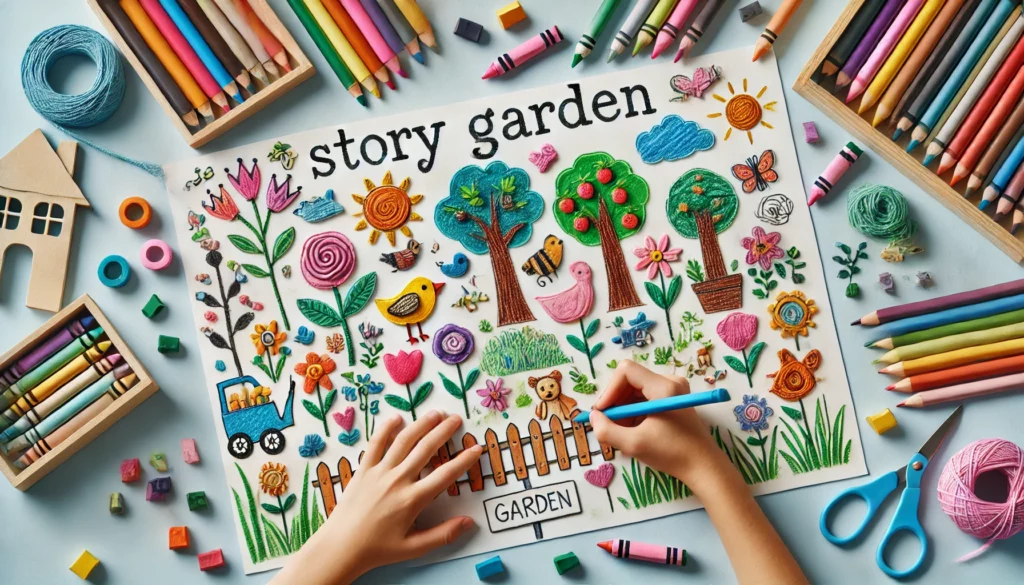
Let children use their creativity by designing their own “story garden” with paper, crayons, or craft supplies.
- Have them draw a garden filled with flowers, trees, and animals.
- Encourage them to create characters that live in their garden and tell stories about them.
- For younger children, use simple words and letters to label their garden elements as part of an early reading exercise.
Spring reading quests and challenges
Spring reading bingo
Make reading extra fun with a spring-themed reading challenge!
- Create a bingo card with activities such as “Read under a tree,” “Read a book about animals,” and “Read a book with a green cover.”
- Children can mark off each completed activity and earn small rewards for completing rows or the entire card.
- This is a great way to encourage reading variety whilst tying it to the season.
Spring book club
Encourage social reading by setting up a mini book club for children.
- Choose a few spring-themed books and invite children to discuss their favourite parts.
- Encourage them to draw their favourite scene or write an alternative ending.
- Having children express their thoughts about books boosts comprehension and verbal skills.
Incorporating phonics into spring activities
Spring is also a great time to reinforce phonics learning in fun, contextual ways. Because spring has so many visible things to talk about, phonics practice feels natural rather than forced. Understanding how phonics works helps you support these activities with confidence:
- Spring word hunt: Take a walk and find words that start with spring-related sounds (e.g., “b” for bird, “f” for flower, “s” for sun).
- Rhyming nature game: Ask children to think of words that rhyme with spring-related words (e.g., “tree” and “bee,” “rain” and “train”).
- Story starters: Give children a simple spring-themed sentence, like “The little bunny found a…” and let them finish the story using their imagination.
Hands-on activities for the season
To help your child practise connecting pictures to stories and imagination, try this activity that celebrates visual storytelling:
Picture-cover reading
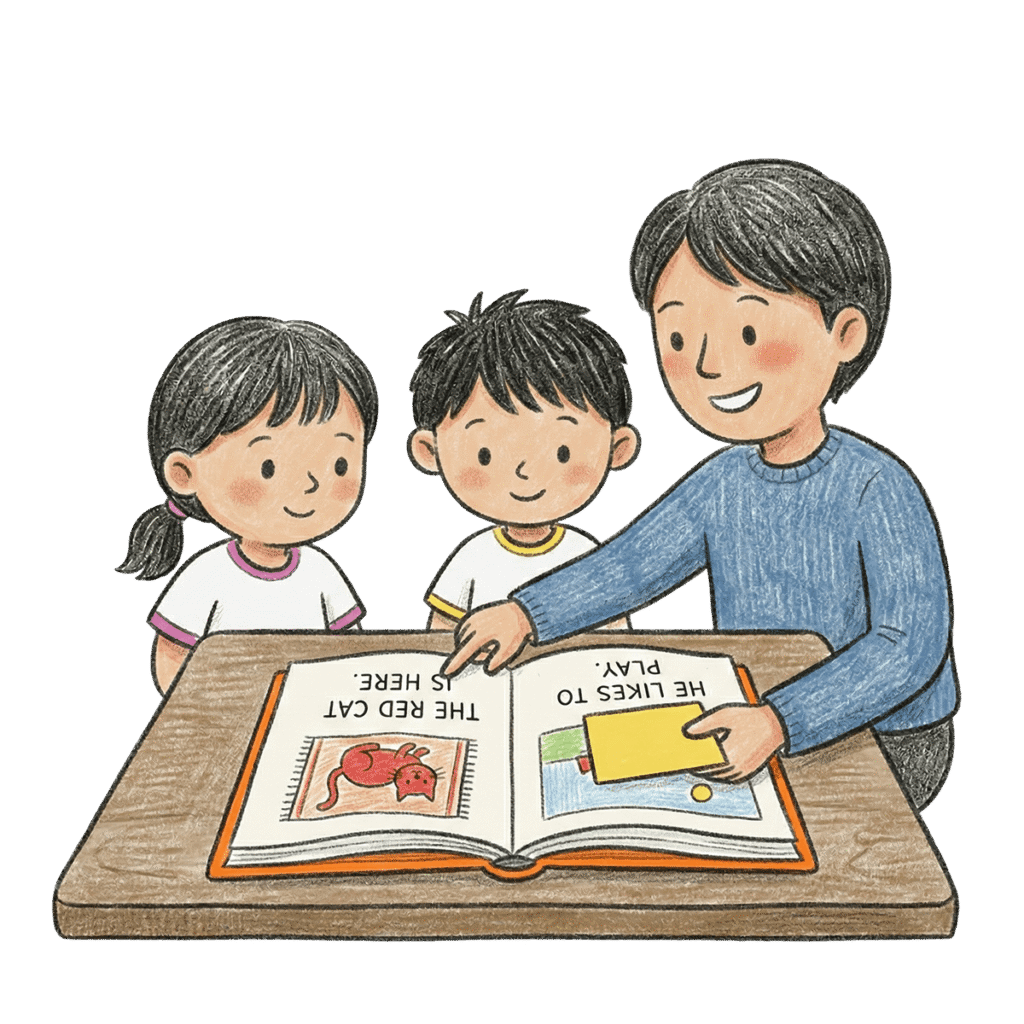
Cover the pictures and read the words first. Then uncover and re-read. It sounds simple — but it makes a real difference to how children approach a page.
Goal
Encourage real decoding rather than guessing from pictures — a habit that pays off as books get harder and illustrations get fewer.
You'll need
- A decodable book
- Two sticky notes
How to do it
Open the book to a page and cover the illustration with a sticky note. Ask your child to read the words first — just the text, no picture clues.
Once they've had a go (stumbles and all), take away the sticky note and re-read the page together with the picture revealed. Talk about what the picture adds. Did it match what they imagined? Did it help them understand anything differently?
This doesn't need to be every page — even doing it once or twice in a session is enough. The goal is to build the habit of trusting the words, not just guessing from the picture. That's a big deal as books get longer.
Grab our resources
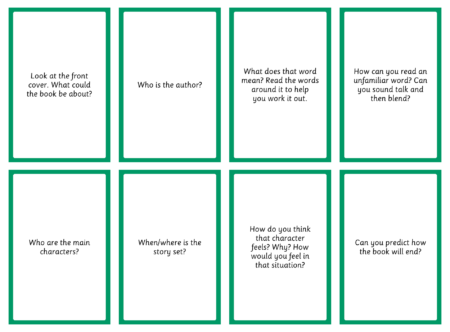
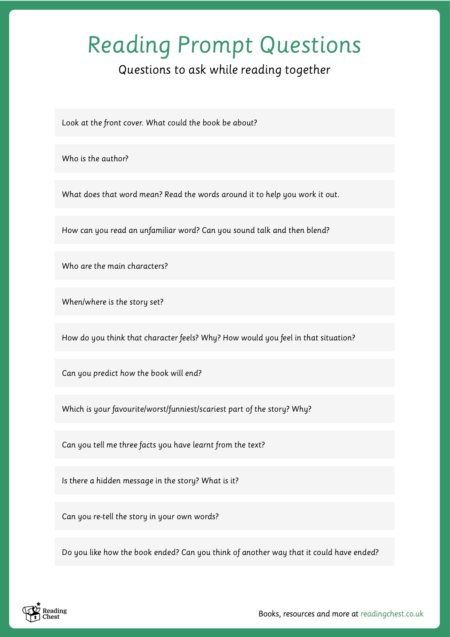
Looking for some help with questions to ask after your reading session? These prompts give you a great starting point.
And if you want to encourage your child to create their own spring-inspired stories with excitement and momentum, this activity helps build narrative confidence:
Build the setting
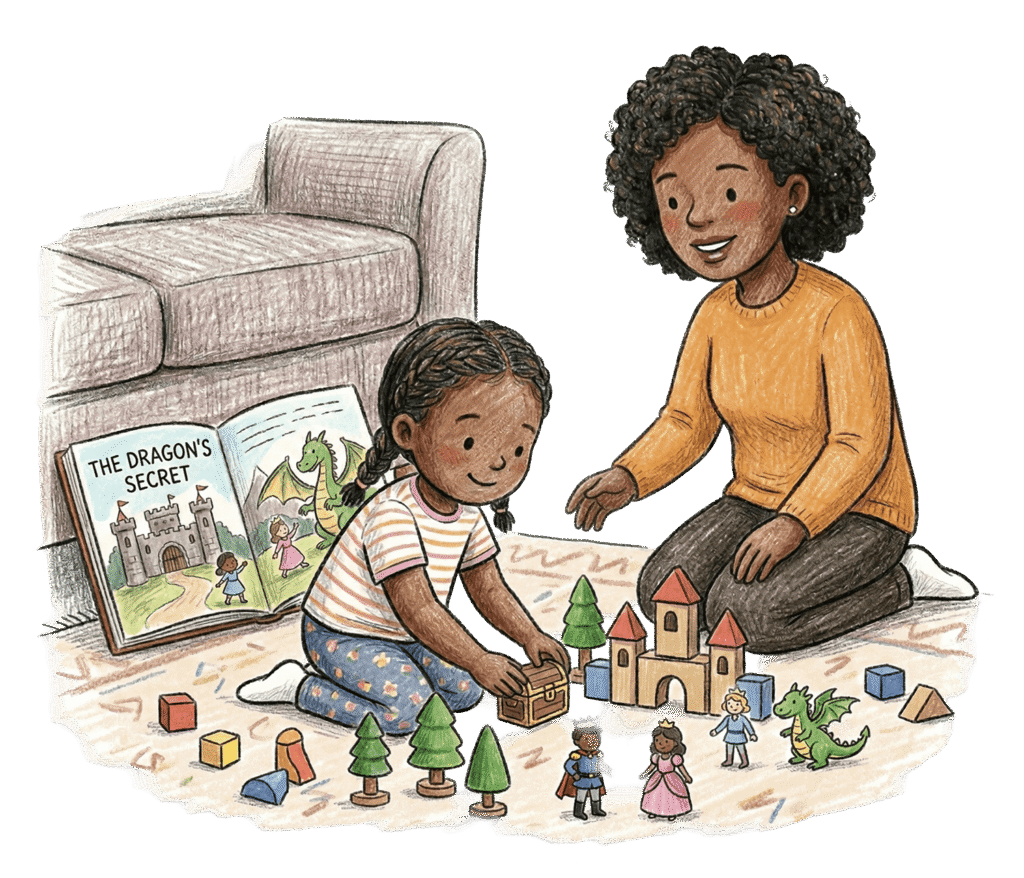
After reading, build the story's setting out of toys, blocks, cushions or paper. Then re-read a scene from inside the world you've made.
Goal
Help your child picture the story world in 3D — deepens comprehension and makes the book feel real and worth revisiting.
You'll need
- Reading Prompt Cards
How to do it
When you've finished a story, ask: "Where did it happen? What did it look like there?" Then build it — use toys, blocks, cushions, a big piece of paper, whatever's around. A forest of socks counts.
Place any characters you have in the scene. Then open the book and re-read a passage or two while you're sitting inside your version of the story world. It feels completely different when you're "in" it.
Use the prompt cards to spark conversation: What would you hear here? What might happen next? What's just out of view? It's a hands-on way to dig deeper into a story without it feeling like work.
Grab our resources
Print our reading prompt cards to get started.
Benefits of seasonal reading
Reading books that match the season helps children feel more connected to their environment and fosters a sense of excitement about learning. Some benefits include:
- Improved comprehension: Relating stories to real-world experiences makes it easier for children to understand and remember what they read.
- Greater engagement: Seasonal themes keep reading fresh and exciting, helping prevent reading fatigue.
- Emotional connection: Books tied to nature and the changing seasons encourage mindfulness and appreciation for the world around them.
How Reading Chest supports seasonal reading
Reading Chest offers a diverse selection of books suited for each stage of a child’s reading journey. Whether your child is just beginning to explore phonics or is ready for longer stories, we have books that match their needs and interests. Our book band system ensures children receive books at the right difficulty level, and our subscription service makes it easy to get new books delivered straight to your door whenever you fancy something fresh.
Frequently asked questions
What are good spring books for children?
Look for books about animals waking up, seeds and planting, new friendships, or gentle adventures. Picture books about butterflies, baby animals, gardens, and rain are perfect for spring. Our book collection is searchable by theme, so you can find spring-related stories easily.
How can I use nature to encourage reading in spring?
Read books outside on nice days, choose stories about the creatures and plants you see on walks, and turn observations into storytelling. You can also create a “nature journal” where your child draws and writes about what they find—combining reading, writing, and nature exploration in one activity.
What reading events happen in spring?
World Book Day (usually in March), Shakespeare’s Birthday (23 April), and Children’s Art Week (June/early July) all fall during spring or just as you’re heading into summer. These are great pegs for themed reading activities. Many schools also run spring reading challenges—it’s worth asking what your child’s school has planned.
Are there Easter-themed phonics books?
Yes! Many reading schemes include Easter and spring-themed books. Easter is a great time to practise phonics with topic-specific vocabulary (eggs, baskets, bunnies, etc.). Check our books page to find Easter-themed reads at your child’s level.
Spring is a time for growth
Spring is a time of growth, renewal, and new experiences—making it the perfect season to refresh your child’s reading routine. By incorporating seasonal activities like outdoor reading, storytelling games, and phonics challenges, parents can nurture a love of reading in a fun and engaging way.
Looking for more ways to support your child’s reading journey? We’d love to help you find the perfect books to match the season and your child’s reading level. Visit Reading Chest to discover how our book subscription service can bring fresh stories to your home all spring long.
We’d love to see how your family is celebrating spring through reading! Share your seasonal reading adventures with us on Twitter/X, Facebook, and Instagram. Let’s make reading a joyful part of the season!
