Contents
There are more reasons to celebrate reading throughout the year than most of us realise — and some of them are genuinely brilliant pegs to hang a fun activity on, whether you’re at home, in school, or both. World Book Day gets all the attention, but there’s a whole calendar of literacy events that are worth knowing about.
This is a round-up of the key dates in the UK reading year, updated annually. Bookmark it, share it, or print it off and stick it on the fridge — whatever works best in your house.
Where exact dates shift year to year, we’ve noted how to find the current one. The events themselves come round reliably — it’s just the day of the week that moves!
January
National Storytelling Week
National Storytelling Week falls in the last week of January and runs into early February. It’s run by the National Literacy Trust and celebrates oral storytelling — the spoken, performed kind, not just the written kind. Schools often get involved with visiting storytellers or in-class sessions, but it’s just as good an excuse at home.
You don’t need anything fancy to mark it. Telling a story together at bedtime — taking turns to add a sentence — or asking your child to retell a favourite book in their own words is plenty. The point is the spoken word, not the page.
Bite-sized reading tips, straight to your inbox
Get confidence-boosting tips to help your child learn to read. Short, useful, and easy to fit into (real) family life!
Even better? You'll also get 25% off your first month of Reading Chest.
February
Children’s Mental Health Week
Children’s Mental Health Week is organised by Place2Be and usually falls in the first full week of February. Reading has a real role to play here — both as a comfort and as a way of opening up conversations about feelings through stories. Books about emotions, friendship, and belonging are perennial favourites with this age group for exactly this reason.
World Read Aloud Day
World Read Aloud Day is run by LitWorld and takes place in February — the exact date varies each year, so check the LitWorld website closer to the time. The idea is simple: read aloud to someone, or have someone read aloud to you. It’s a lovely one for families because it doesn’t require a reluctant reader to do anything except listen.
Even if your child is a confident independent reader, reading aloud together is still worthwhile. It’s about shared enjoyment, not practice — and children often ask for it more than parents expect.
March
World Book Day
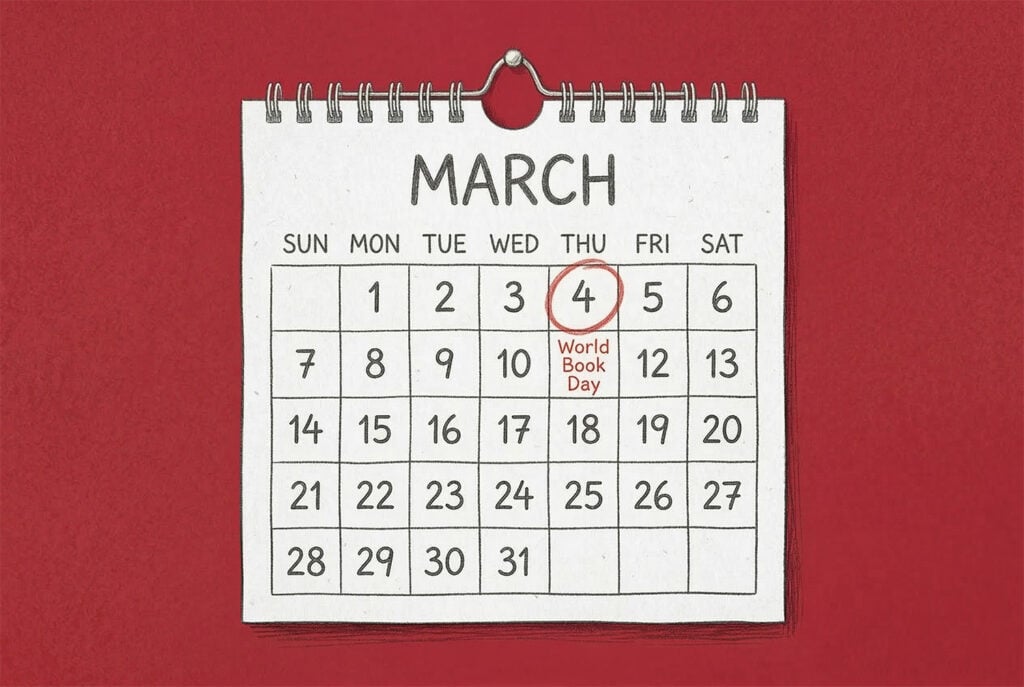
The big one. World Book Day falls on the first Thursday of March each year — in 2027, that’s 4 March. Every child in the UK receives a £1 book token to exchange for one of the year’s special WBD editions, or to use towards any book in a participating bookshop.
The costume element divides parents sharply (we’ll say no more), but the books are genuinely good and it’s one of the rare occasions when reading gets the same cultural moment as a school sports day. Many schools run book-themed activities throughout the day or even the whole week.
We’ve got a guide to celebrating World Book Day with ideas for making more of the day, and a separate post on last-minute costume ideas if you need them.
World Poetry Day
World Poetry Day is on 21 March every year — a UNESCO-designated date to celebrate poetry and encourage children (and adults) to read, write, and share poems. It’s a good one for primary age children because poetry is often their first conscious encounter with language as something playful and crafted, not just functional.
If your child’s school marks it, you’ll often get a poem sent home. Reading it together and asking what they think — without any pressure to “understand” it correctly — is more than enough.
Shakespeare Week
Shakespeare Week typically runs in late March or early April, aligning (roughly!) with Shakespeare’s birthday on 23 April. It’s aimed at primary schools and is organised by the Shakespeare Birthplace Trust. Don’t be put off by the association with difficult texts — at primary level it’s mostly storytelling, language play, and drama, all of which are genuinely fun for young children.
We’ve got a post on celebrating Shakespeare’s birthday with children with ideas for bringing the Bard to life at home.
April
International Children’s Book Day
International Children’s Book Day falls on 2 April every year — Hans Christian Andersen’s birthday — and is organised by the International Board on Books for Young People (IBBY). It’s a quieter event than World Book Day in the UK, but a good prompt to pull out a book you loved as a child and share it.
May
National Share a Story Month
The whole of May is National Share a Story Month, run by the Federation of Children’s Book Groups. The idea is simply to share stories — through reading aloud, telling, acting out, or talking about books together. There are usually events at libraries, bookshops, and schools throughout the month.
It’s a good reminder that “sharing a story” doesn’t always mean sitting down with a book. Telling a child about a book you loved when you were their age counts. So does listening to an audiobook together on a long car journey.
Our National Share a Story Month guide has simple ideas for bringing stories into your home throughout May.
Summer term and holidays
Summer Reading Challenge
The Summer Reading Challenge runs from mid-July through to early September and is organised by The Reading Agency, delivered through public libraries. Children are challenged to read six library books over the summer and collect rewards along the way. It’s free to join and genuinely popular — hundreds of thousands of children take part each year.
It’s a particularly good one if your child tends to slide back over the summer. Libraries often have themed activities running alongside it, and the social element — talking to librarians about books, collecting stickers — can motivate children who aren’t naturally bookish. You can browse phonics and early reader books on Reading Chest alongside your library challenge books if you want to keep the decodable practice going too.
If summer reading feels like a battle, our post on keeping kids reading over the summer has some low-pressure approaches worth trying.
September
International Literacy Day
International Literacy Day is on 8 September every year, designated by UNESCO. It’s less of a family event and more of an awareness occasion — but it’s a good prompt to think about your child’s reading and whether there’s anything you’d like to put in place for the new school year.
Roald Dahl Day
Roald Dahl Day is on 13 September — his birthday — and is one of the more joyful dates in the children’s reading calendar. Schools often do something to mark it. At home, it’s an excuse to read one of his books together, look up one of his wordplay inventions, or watch an adaptation and compare it to the book.
Roald Dahl is a polarising figure among parents (and teachers), but his books remain some of the most-loved by children of primary age. If yours hasn’t discovered him yet and they enjoy a bit of irreverence and silliness, it’s a good introduction.
Our Roald Dahl Day post has activity ideas and book suggestions for celebrating at home.
October
National Poetry Day
National Poetry Day falls on the first Thursday in October — in 2026, that’s 1 October. It’s run by the Forward Arts Foundation and has a different theme each year, which schools usually pick up on. Libraries and bookshops often run events.
Black History Month
October is Black History Month in the UK. Schools mark it in a variety of ways, and it’s become an increasingly prominent moment for publishers to highlight books by and about Black authors and characters. If your child’s school shares a reading list or recommends titles, that’s often a good starting point.
Our Black History Month post has book recommendations and reading ideas for exploring stories of courage and culture with your child.
Libraries Week
Libraries Week takes place each October — usually in the first or second week — and celebrates the value of libraries and librarians across the UK. It’s a good prompt to take your child to their local library if it’s not already a regular habit, and many libraries run special events and activities throughout the week.
Our post on engaging children with books at the library has ideas for making a visit genuinely exciting, even for reluctant readers.
November
Non-fiction November
Non-fiction November is an informal but growing campaign that runs through the whole of November to shine a light on non-fiction books for children. It’s a good counterpoint to the fiction focus of most reading promotion — and for children who prefer facts to stories, it’s a genuine moment of recognition.
Non-fiction is often underestimated as a route into reading for reluctant readers. Books about dinosaurs, football, space, animals, and Minecraft (yes, there’s a whole genre) can be just as useful for developing vocabulary and stamina as a novel.
Our Non-fiction November post has simple ideas for celebrating curious readers and making the most of the month.
December
Advent reading traditions
December doesn’t have a single fixed literacy event, but the run-up to Christmas is one of the best times of year to build a reading tradition. Some families do an advent reading calendar — a different short book or poem each day in the lead-up to Christmas. Others simply make more time for reading together because there’s a bit more cosiness in the air.
Our post on Christmas and advent reading traditions has simple, genuinely do-able ideas for weaving books into the festive season.
If you want to give books as gifts at Christmas, asking a librarian or bookshop for an age-appropriate recommendation is usually far more useful than bestseller lists, which tend to skew towards what’s being advertised rather than what children actually enjoy.
Making the most of these dates
You don’t need to mark every event — that way lies guilt and exhaustion. Pick two or three that feel genuinely relevant to your child’s age and interests, and treat them as low-key prompts rather than obligations. A special library visit for the Summer Reading Challenge, a poem at breakfast on National Poetry Day, a new book on World Book Day: that’s a good year.
The events are at their best when they open up a conversation or a moment rather than creating pressure to perform. Reading should feel like something your family does because it’s enjoyable — and a well-chosen date in the calendar can be exactly the excuse you need to slow down and do it.
If you want a simple way to make everyday reading more of a habit, this activity is a good starting point — it takes five minutes and works any time of year.
Reader of the week
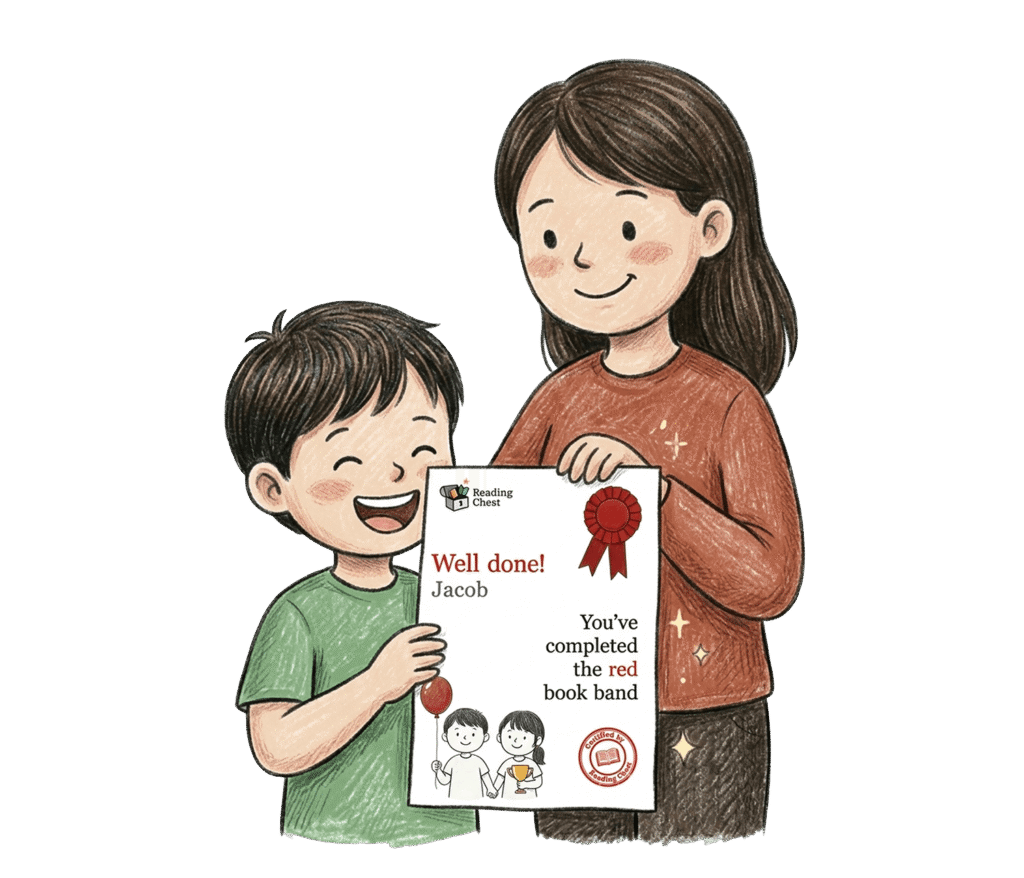
Run a weekly reading award in your own home. Celebrate effort, not perfection — a certificate and a bit of fanfare go a long way.
Goal
Build reading motivation by recognising effort in a fun, low-pressure way — because being noticed for trying is genuinely powerful.
You'll need
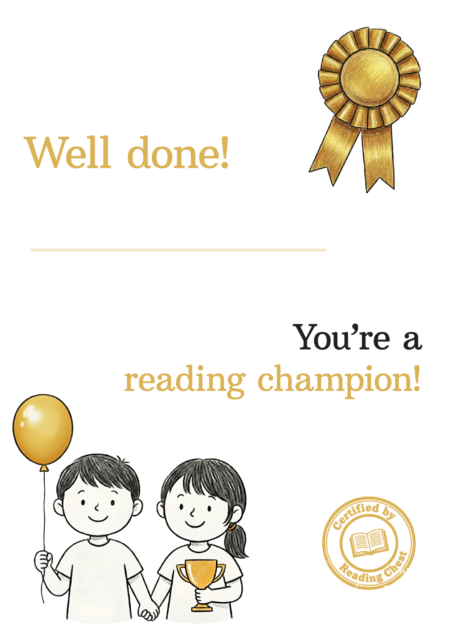
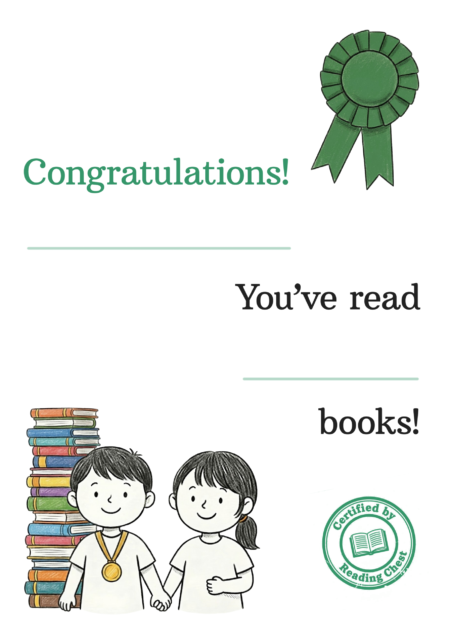
- Reading Champion Certificate or Reading Milestone Certificate
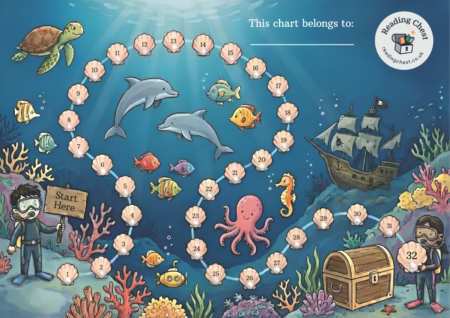
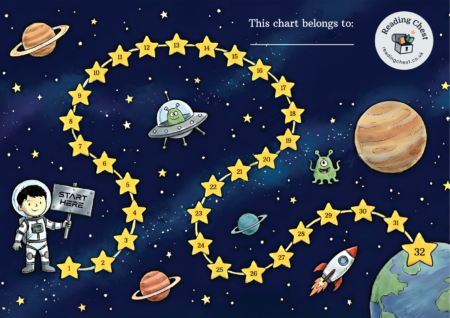
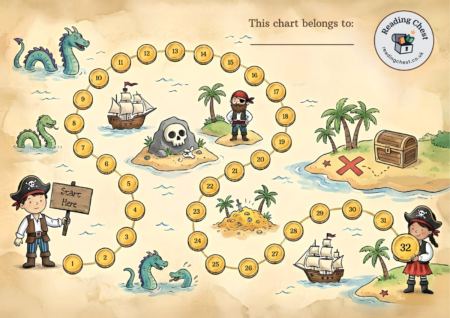
- Star chart (Underwater, Space or Pirate theme)
How to do it
Pick a day each week to announce your "reader of the week". The criteria are up to you — effort, trying a tricky word, finishing a book, or simply having a go on a day when they really didn't want to.
Award a certificate with a bit of ceremony. Make it feel like a proper moment: hand it over, say what they did well, let them display it somewhere. Add stars to the chart as a running record of brilliant reading moments.
Keep it light and rotation-friendly — you don't need a different winner every week. The goal is to make them feel seen for the work they're putting in, not just for being "good at reading".
Grab our resources
Print our reading champion certificate and reading milestone certificate to get started.
And if you’re looking for something to keep the streak going week by week:
Star-chart streaks
Set a small reading streak and add a star each day. Short targets, visible progress, genuine celebration when they get there.
Goal
Build a daily reading habit through small, achievable targets — because streaks work, and children (and most adults) love a chart filling up.
You'll need
- Star chart (Space, Underwater or Pirate theme)

How to do it
Choose a star chart and set a modest first target — three days in a row, or five stars in a week. Stick it somewhere your child will see it every day.
Add a star each time they read (or give reading a genuine go). Make the moment of adding the star feel like something — a small celebration counts.
When they reach the target, acknowledge it properly and set a new one. Keep targets just within reach: achievable enough to feel doable, stretching enough to feel worth doing. The chart filling up is surprisingly motivating, even for children who say they don't care about stickers. They always care about stickers.
Grab our resources
Print our space star chart and underwater star chart to get started.
Frequently asked questions
When is World Book Day 2027?
World Book Day 2027 is on Thursday 4 March. It falls on the first Thursday of March each year. Every child receives a £1 book token to use at participating bookshops or to exchange for one of the specially published WBD books.
When is National Poetry Day 2026?
National Poetry Day 2026 is on Thursday 1 October — it falls on the first Thursday of October each year. The theme changes annually and is announced on the National Poetry Day website.
When does the Summer Reading Challenge start?
The Summer Reading Challenge typically launches in mid-July, when schools break up, and runs until early September. It’s run through your local library — children sign up in person and collect rewards as they read. Registration is free.
Are there any reading events in the spring term?
Yes — National Storytelling Week (late January/early February), Children’s Mental Health Week (first full week of February), World Read Aloud Day (February), and World Book Day (first Thursday in March) all fall in the spring term. It’s actually the busiest term for literacy events.
How can I find out about reading events near me?
Your local library is the best place to start — they usually host events tied to national campaigns like the Summer Reading Challenge and Children’s Book Week. BookTrust, the National Literacy Trust, and individual campaign websites (LitWorld, the Forward Arts Foundation) list local events each year.
