
Contents
Oracy is the ability to communicate effectively through spoken language — to listen carefully, express ideas clearly, and engage in purposeful conversation. It’s the spoken equivalent of literacy: just as literacy means being able to read and write well, oracy means being able to speak and listen well.
If you’ve seen the word in a school newsletter recently and wondered whether it was a new initiative or something that’s always been there under a different name — the answer is a bit of both. The concept is old; the focus on it in UK schools is very much new.
This guide explains what oracy means, why schools are talking about it more than ever, and what it looks like in practice at home and in the classroom.
Why oracy is having a moment
Oracy has become a significant talking point in UK education policy over the last few years. Ofsted has been emphasising it in school inspections, and the government has been considering how to embed spoken language more explicitly in the curriculum. Organisations like Voice 21, which campaigns for oracy education, have gained real traction.
The push comes partly from evidence that strong spoken language skills in early childhood are closely linked to later reading, writing, and academic achievement. Children who can articulate their thoughts, discuss ideas, and engage in structured talk tend to be stronger readers and more confident learners overall.
There’s also a growing recognition that oracy skills — public speaking, debate, clear explanation — matter for life beyond school, and that not all children arrive at school with the same foundation.
Bite-sized reading tips, straight to your inbox
Get confidence-boosting tips to help your child learn to read. Short, useful, and easy to fit into (real) family life!
Even better? You'll also get 25% off your first month of Reading Chest.
What oracy actually involves
Oracy isn’t just talking. It encompasses three broad strands, each of which plays a role in effective communication:
Physical
The mechanics of speaking: voice projection, clarity of articulation, pace, tone, and body language. A child who mumbles, speaks too quietly, or rushes through words may have the ideas but lack the physical skills to communicate them effectively. These can be explicitly taught and practised.
Linguistic
The vocabulary and grammar children use to express their ideas: choosing precise words, structuring sentences logically, and adapting language for different audiences (explaining something to a younger child is different from presenting to the class). Rich vocabulary is central here — children can only talk about ideas they have words for.
Cognitive
The thinking behind the talk: reasoning, building arguments, questioning, summarising, and engaging critically with what others say. This is where discussion becomes more than an exchange of opinions and starts to develop real thinking skills.
Schools vary in how explicitly they teach these strands. Some have structured oracy programmes; others weave it more informally into classroom discussion and drama. If you’re curious what your school does, it’s worth asking.
How oracy connects to reading
The link between spoken language and reading is strong and well-established. Children learn to read by mapping sounds to print — and the richness of the spoken language they bring to that process makes a real difference. A child with a wide spoken vocabulary will find it easier to decode a new word and understand it in context. A child who can talk through their ideas about a story will read with more comprehension and engagement.
Phonics, specifically, connects to oracy through phonological awareness — the ability to hear and manipulate sounds in words. Rhyming games, clapping syllables, listening for the first sound in a word: these are oracy activities that directly build the ear for sound that phonics teaching then formalises.
Beyond phonics, children who are encouraged to discuss books — to predict, question, and respond — develop much stronger reading comprehension than those who read silently and move on. Talk is how ideas get processed.
Building oracy at home
You don’t need a structured programme to build oracy skills at home. The most powerful oracy development happens in everyday conversation — mealtimes, car journeys, bedtime. Here are some simple approaches:
Ask open questions while reading
Instead of “Did you like that story?”, try “What do you think the character was feeling when that happened?” or “What would you have done differently?” These questions invite explanation rather than yes/no answers, which is where the real language development happens.
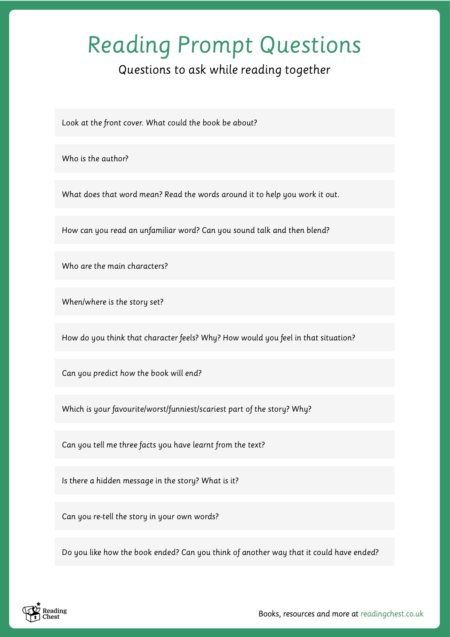
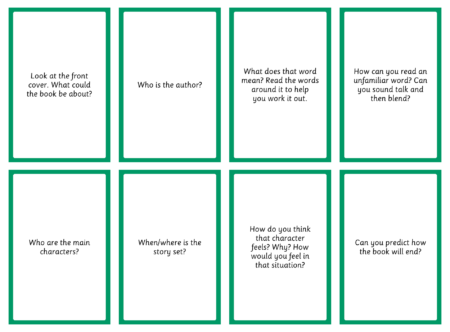
Our reading prompt cards are a handy way to have good questions to hand without having to think them up yourself mid-story.
Encourage storytelling
Ask your child to tell you about their day, retell a book they’ve read, or make up a story. Narrative is one of the core oracy skills — ordering events, choosing words to describe them, and holding a listener’s attention. It doesn’t have to be polished; the act of trying is the development.
This activity is a good one for building story narration skills in a playful way:
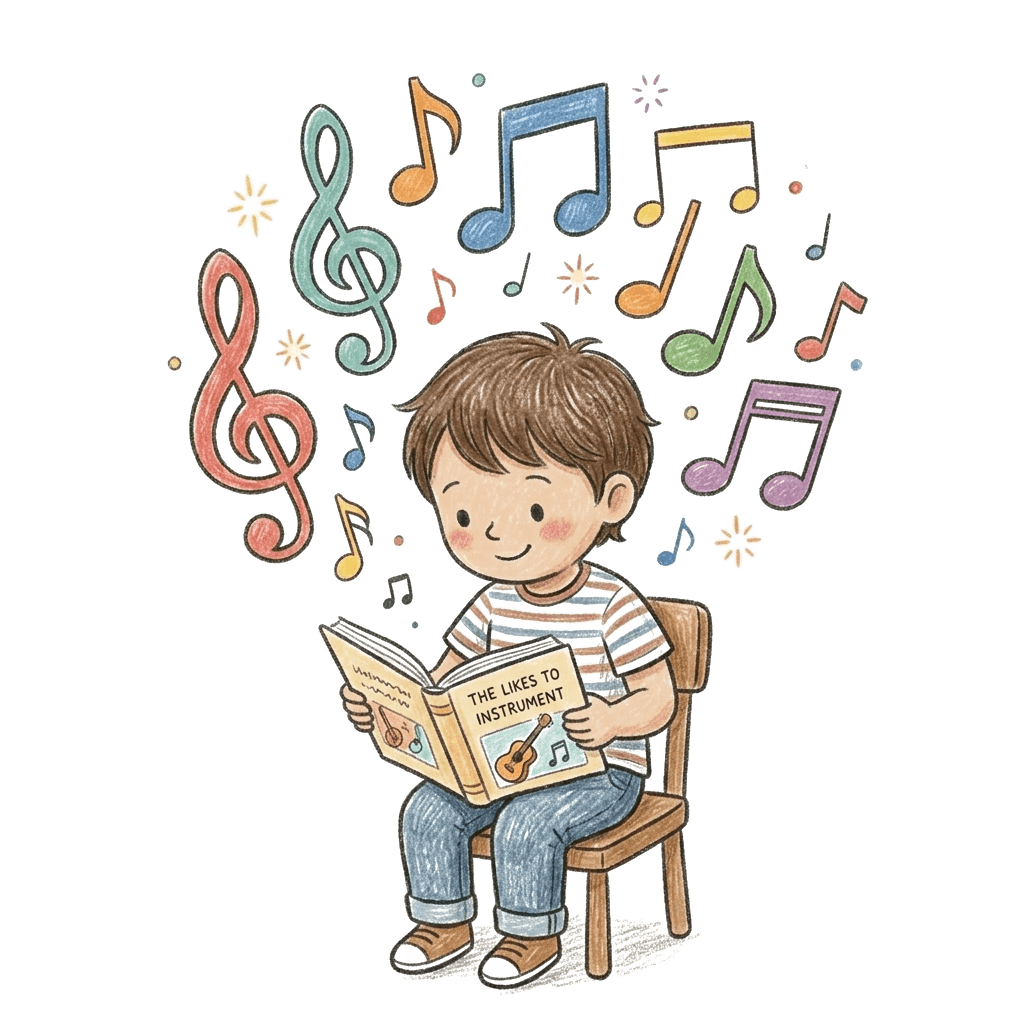
Soundtrack the story
Add sound effects as you read — splashes, creaks, whooshes, growls. Turns a reading session into a bit of a performance.
Goal
Bring stories to life through sound — builds expressive reading and keeps even reluctant readers properly engaged.
You'll need
- A book to read together
How to do it
As you read, add sound effects for what's happening — a splash when someone jumps in water, a creak for a spooky door, a whoosh for the wind, a growl for the monster. Your child joins in too.
This naturally slows down the reading, which is actually useful — it creates space to think about what's happening in the story. It also makes dull sentences feel exciting. "He walked through the door" becomes a whole moment with the right creak.
There are no wrong sound effects. The worse they are, the more fun this tends to be. It's especially good for books your child finds a bit dry — the soundtrack changes everything.
Play discussion games
Simple games that involve making choices and explaining them build the cognitive strand of oracy. “Would you rather…?” games are perfect: “Would you rather be able to fly or be invisible — and why?” The “why” is everything.
This activity uses the same instinct — getting children to make choices and reason through them in the context of a story:
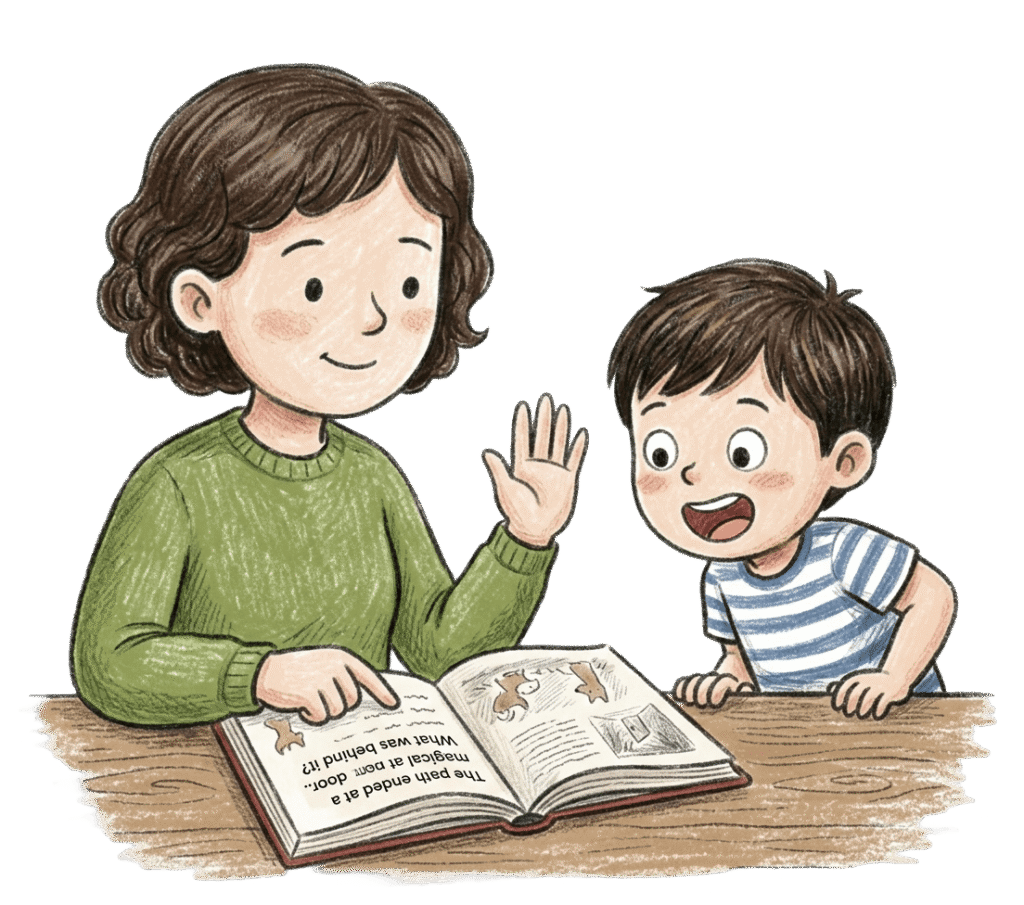
Stop-the-story choices
Pause mid-story and ask: what do you think will happen next? Read on and find out whose guess was closest. Keeps minds engaged right through to the last page.
Goal
Practise predicting and thinking ahead while reading — building comprehension and keeping attention right where it should be: on the story.
You'll need
- Reading Prompt Questions
- Reading Prompt Cards
How to do it
Read together until you hit a turning point — a cliffhanger, a choice, a moment of tension. Stop. Ask: "What do you think happens next?" Let them share their idea, however far-fetched.
Use the prompt cards if you need a nudge: "Why did they do that?" or "What would you do in their position?" Then read on and find out.
When the real outcome arrives, compare it to their prediction. "You were almost right!" or "Nobody saw that coming!" are equally good reactions. The habit of thinking ahead while reading is one of the most useful comprehension skills there is — and this is how it gets built.
Grab our resources
Print our reading prompt questions and reading prompt cards to get started.
Model good talk yourself
Children absorb speaking patterns from the adults around them. Using precise vocabulary, thinking out loud, disagreeing respectfully, asking genuine questions — all of this models oracy skills in action. You don’t need to make it explicit; just do it and they’ll pick it up.
Resist the urge to finish sentences for your child. Waiting while they find the right word is one of the most powerful things you can do to support their language development.
Frequently asked questions
At what age should children develop oracy skills?
Oracy development starts from birth — babbling, first words, and early conversations are all the foundation. By the time children start school, spoken language development varies widely, and schools play an important role in developing it further. The primary school years (ages 4–11) are considered a critical window for building vocabulary, reasoning through talk, and developing confidence as a speaker.
Is oracy just about speaking, or does it include listening?
Both. Oracy refers to spoken language as a whole — which includes speaking, listening, and the back-and-forth of conversation. Listening carefully and responding to what someone else has said is just as much an oracy skill as speaking clearly. Schools often teach “active listening” explicitly as part of oracy work.
How does oracy differ from literacy?
Literacy refers to reading and writing — the written forms of language. Oracy refers to speaking and listening — the spoken forms. They’re closely related: strong oracy supports literacy (children who can talk through ideas find it easier to write them) and literacy supports oracy (reading widely gives children a richer vocabulary to draw on in speech). Most language experts see them as complementary rather than separate.
What does an oracy-focused school look like?
In a school with a strong oracy focus, you’d expect to see: structured discussion built into lessons rather than just teacher-talk, children taught how to agree and disagree respectfully, explicit vocabulary teaching, opportunities for debate and presentation, and talk being assessed as well as reading and writing. Some schools follow programmes like Voice 21’s framework; others develop their own approach.
What to take away
Oracy is the ability to communicate effectively through spoken language — and it matters more than it’s often given credit for. Strong spoken language skills support reading comprehension, vocabulary development, and overall academic confidence. The good news is that the most powerful oracy practice is the most natural: conversation, storytelling, questions, and discussion woven into everyday family life.
