Contents
Prosody is the expressive quality of reading aloud — the rhythm, pace, stress, and intonation that make reading sound like natural speech rather than a list of words. If you’ve ever heard a child read in a flat, robotic voice, word by word, with no pauses at full stops, you’ve heard what reading without prosody sounds like.
Most parents recognise it when they hear it, even if they don’t have a word for it. Here’s what prosody is, why it matters more than it might seem, and what you can do at home to help develop it.
What prosody involves
Prosody in reading has four main components, all of which work together:
- Phrasing — reading in meaningful chunks rather than word by word, and pausing at the right points. A child reading “The cat / sat / on / the / mat” is missing the phrase structure that would make it sound natural.
- Pace — adjusting speed to match the text. Tense moments might slow down; a list of comic descriptions might speed up. Pace is part of how meaning is communicated.
- Stress — emphasising the right words within a sentence. “She didn’t take the ball” means something different from “She didn’t take the ball” — stress changes meaning.
- Intonation — the rise and fall of pitch that marks questions, exclamations, and emotional tone. Reading all sentences with the same pitch flattens the meaning.
Bite-sized reading tips, straight to your inbox
Get confidence-boosting tips to help your child learn to read. Short, useful, and easy to fit into (real) family life!
Even better? You'll also get 30% off your first month of Reading Chest.
Why prosody matters
Prosody isn’t just a performance skill — it’s a comprehension marker. Children who understand what they’re reading naturally read with expression, because expression is how we signal meaning in spoken language. A child who reads a scary moment in a flat voice hasn’t fully understood that it’s supposed to be scary.
The relationship runs in both directions. When children hear expressive reading modelled — by a parent, teacher, or audiobook — they build a stronger sense of how texts should feel. When they practise reading with expression themselves, it deepens their engagement with the meaning of the text.
Prosody is also one of the three components of reading fluency, alongside accuracy and reading rate. Schools assess it because it tells you something important about how a child is processing text, not just whether they can decode the words.
Why some children are flat readers
Flat reading — the word-by-word, monotone approach — is most common in early decoders who are using most of their mental effort on working out what the words say. There isn’t much capacity left for expression once you’re concentrating hard on decoding.
As decoding becomes more automatic, mental resources free up, and prosody typically develops naturally. This is why a child who reads in a robotic voice at six often develops much more expressive reading by eight — it’s not that they’ve been taught to be expressive, it’s that decoding has become easier and expression follows.
Children who continue to read flatly after they’re reading accurately and at a good pace may be reading for decoding without fully processing meaning — “calling words” without comprehension. This is worth gently addressing, because fluency without meaning isn’t the goal.
When to be patient, and when to act
Flat reading in a child who is still learning to decode is completely normal and expected. It will resolve as automaticity develops. Pushing for expression before decoding is secure can actually be counterproductive — it adds cognitive load at the wrong point.
If a child is reading accurately and at a reasonable pace but still reading in a monotone, or if they’re reading expressively without understanding what they’ve read, it’s worth discussing with their teacher. The typical timeline for reading fluency development can help you sense-check whether what you’re seeing is within the normal range.
How to develop prosody at home
The most powerful thing you can do is model expressive reading yourself. When you read aloud to your child — whether they can read independently or not — read with full expression: change your voice for different characters, slow down at tense moments, speed up for excitement, pause before surprising reveals. Children absorb this.
A few specific activities that build prosody:
- Repeated reading — reading the same short passage two or three times, with the goal of improving expression each time. The first read is for decoding; the second is for meaning; the third is for performance.
- Echo reading — you read a sentence aloud with expression; your child reads the same sentence back, trying to match your tone and pace. Low pressure and surprisingly effective.
- Performing poems — poetry requires prosody. Short, funny poems that children already love are perfect starting material because the expression feels natural rather than imposed.
- Audiobooks — listening to professionally narrated books builds a sense of how texts should sound, which feeds back into reading aloud.
This activity is specifically designed to build expressive reading — it gives children a concrete reason to read the same passage more than once:
Read it three ways
Read the same sentence three times — robot voice, pirate voice, mouse voice. Repetition that somehow gets more fun each time.
Goal
Build fluency through repeated reading of the same text — without anyone noticing that's what's happening.
You'll need
Nothing needed — works with any book, anywhere.

How to do it
Pick a sentence from a book — or just the page you're on. Read it once together in a robot voice: flat, staccato, mechanical. Then again as a pirate: gruff, dramatic, a bit "arrr". Then one more time as a mouse: tiny, squeaky, barely audible.
The words are the same each time. That's the secret. By the third read, your child has said the sentence three times without it feeling like practice at all.
You can let them choose the voices after a while — the weirder, the better. It keeps sessions from feeling like a grind on days when reading feels harder than usual.
And this one creates a real audience for reading aloud, which gives children a genuine motivation for expression:
Read to a real audience
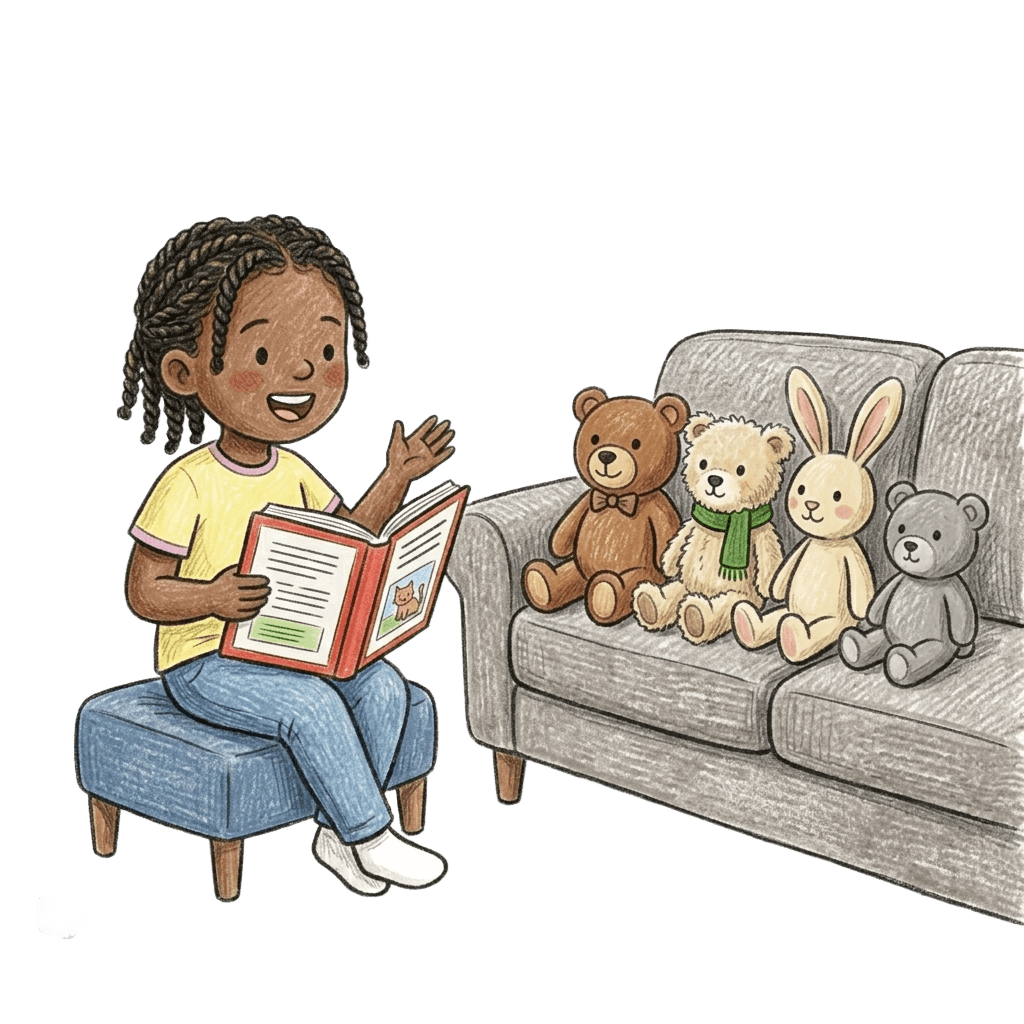
Give reading a real purpose: read aloud to a pet, a sibling, a grandparent on video call, or a row of very attentive teddies. Real audiences make real readers.
Goal
Build reading confidence by performing for a listener who isn't there to correct — pets and teddies are wonderfully non-judgmental.
You'll need
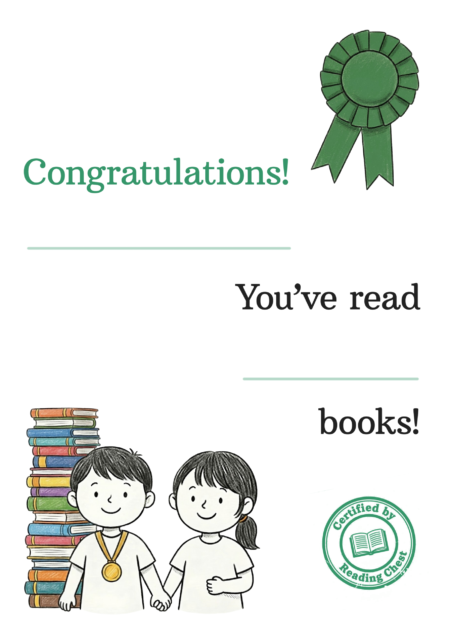
- Reading Milestone Certificate
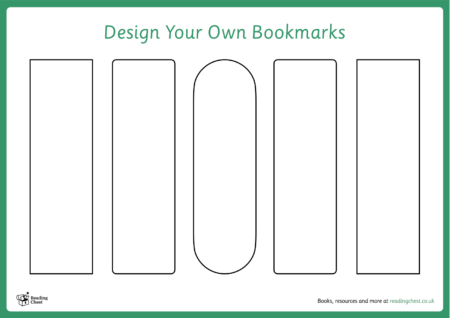
- Bookmark Template
How to do it
Choose an audience — a pet, a younger sibling, a grandparent on a video call, or a row of teddies on the sofa. Let your child pick the book and the listener.
They read aloud while the audience listens. Your job is not to correct — just to watch, listen and respond naturally. "Oh, what happened next?" or "I didn't know that!" goes a long way.
If they stumble, let them keep going. The confidence boost of reading to an engaged audience — even a stuffed one — is real. Award the milestone certificate when they've finished, and let them make a bookmark to give to their audience as a thank you. Yes, even the cat.
Grab our resources
Print our reading milestone certificate and bookmark template to get started.
Frequently asked questions
Is prosody the same as fluency?
Prosody is one component of fluency, not the same as fluency. Reading fluency has three elements: accuracy (reading words correctly), rate (reading at an appropriate pace), and prosody (reading with appropriate expression and phrasing). A child can be accurate and quick but still read without expression — that’s fluency without prosody. A child who reads with expression but makes lots of errors isn’t fully fluent either. All three need to develop together.
My child reads beautifully to me but their teacher says they’re a flat reader — why?
Children often read differently at school than at home. At home, the reading material may be slightly easier, the audience is safe and familiar, and there’s no performance pressure. At school, the text may be more challenging, reading aloud in front of classmates adds anxiety, and concentration on decoding unfamiliar words suppresses expression. Both pictures can be true at the same time. It’s worth asking the teacher which texts trigger the flat reading and whether comprehension seems to be keeping up with decoding.
Should I tell my child to “read with more expression” when they’re being flat?
In general, modelling is more effective than instruction. Telling a child to “read more expressively” often produces self-conscious over-performance rather than genuine prosody. Instead, echo reading — where you read a line and they copy your expression — builds the same skill without the pressure. If you do comment, focus on the meaning: “Did that feel scary to you? Let’s see if we can make it sound a bit scarier when we read it back.”
What age should my child be reading with expression?
Most children begin showing prosodic reading naturally in Year 2 or Year 3, once decoding is reasonably secure. Expecting expression from a child who is still sounding out every word is unrealistic. By Year 3 or 4, most children who are reading accurately and at a good pace will be reading with some expression. If you’re concerned about where your child is on this journey, their teacher can give you a more specific view.
