Contents
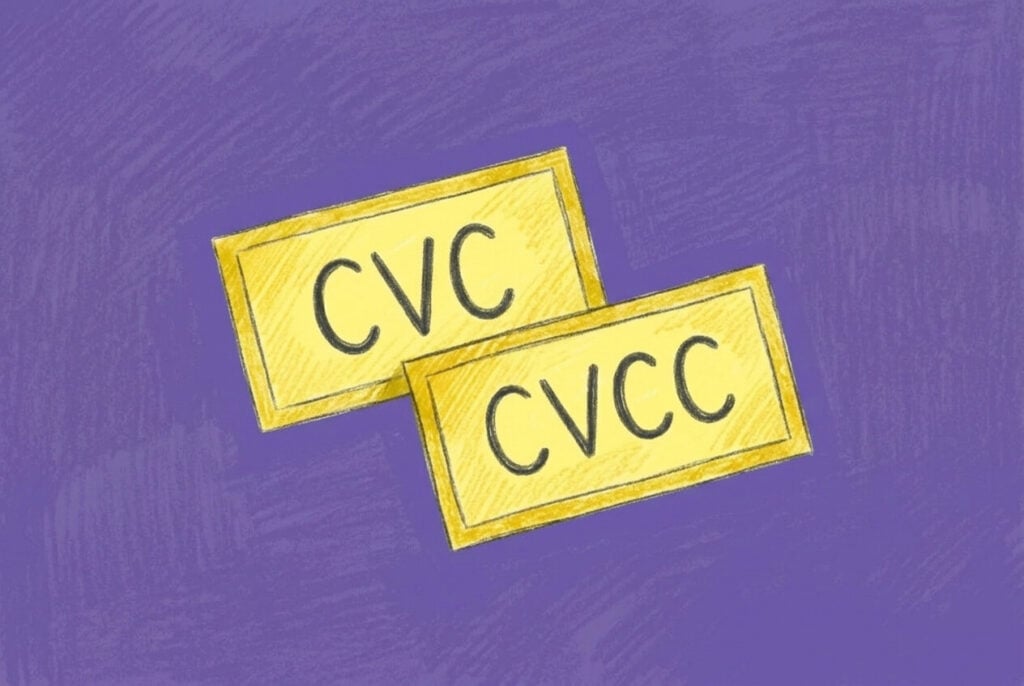
CVC stands for consonant–vowel–consonant. It describes the structure of short, simple words like cat, dog, and sit — one consonant, then a vowel, then a consonant. If you’ve seen a worksheet or reading book labelled “CVC words” and wondered what those three letters mean, that’s all there is to it.
CVCC, CCVC, and similar codes follow the same logic. They’re just a shorthand way of describing the pattern of sounds in a word — useful for teachers because it tells you exactly what phonics skills a child needs to read it.
This guide explains what the different codes mean, why they matter for learning to read and spell, and how you can use them to support practice at home.
What do the letter codes mean?
Each letter in the code stands for a type of sound:
- C — consonant (any letter that isn’t a vowel: b, c, d, f, g, h, j, k, l, m, n, p, q, r, s, t, v, w, x, y, z)
- V — vowel (a, e, i, o, u)
So the code tells you the order of sounds in a word, from left to right. The most common patterns at primary level are:
- CVC — consonant, vowel, consonant: cat, dog, sit, hop, pen, cup
- CVCC — consonant, vowel, consonant, consonant: lamp, jump, soft, best, fast
- CCVC — consonant, consonant, vowel, consonant: frog, clap, step, plan, skip
- CCVCC — consonant, consonant, vowel, consonant, consonant: clamp, brand, crust, stump
Note: these codes count sounds, not letters. A digraph like sh or ck is two letters but one sound, so it counts as a single C in the code. Ship is CVC (sh-i-p), and duck is CVC (d-u-ck).
Bite-sized reading tips, straight to your inbox
Get confidence-boosting tips to help your child learn to read. Short, useful, and easy to fit into (real) family life!
Even better? You'll also get 25% off your first month of Reading Chest.
Why schools start with CVC words
CVC words are the simplest possible word structure — three sounds, perfectly predictable, no clusters or complications. They’re the natural starting point for phonics because they let children practise the two core skills — blending for reading and segmenting for spelling — with the smallest possible amount of information to hold in their heads at once.
When a child can reliably read and spell CVC words, they’ve understood the basic engine of how phonics works: letters represent sounds, sounds combine to make words. Everything that follows — digraphs, consonant clusters, longer words — builds on that foundation.
In most phonics programmes, children encounter CVC words in Reception and early Year 1. They’ll typically start with a small set of sounds (something like s, a, t, p, i, n) and practise CVC words made from those sounds before any new ones are introduced. That’s why early phonics books can look a bit repetitive — it’s deliberate, not lazy writing.
Moving on to CVCC and CCVC words
Once CVC words feel secure, children move on to words with consonant clusters — groups of two consonants either at the start (CCVC) or end (CVCC) of the word.
These are trickier because the child has to hold two consonant sounds together without a vowel to separate them. Frog requires a child to blend f and r before hitting the vowel. Lamp requires them to add m and p one after the other at the end.
This is where some children hit a wall, and it’s worth knowing that it’s a specific and common stumbling point — not a sign that phonics isn’t working. The solution is almost always more practice with the cluster itself, not moving on.
A useful home technique: cover up the cluster and read the CVC word first, then add the extra sound(s). For clap, read lap first, then add the c. For lamp, read lam then tack on the p.
How CVC and CVCC words appear in school
You’re most likely to see these codes on school handouts, phonics worksheets, and decodable reading books. A book labelled “CVC” is telling you that all the words in it follow that consonant-vowel-consonant pattern — which means your child should be able to sound every one of them out using the phonics skills they already have.
That predictability is the whole point of decodable books. If a book only contains words the child can decode using sounds they’ve been taught, every reading attempt can succeed. That confidence builds quickly — and it’s genuinely different from what happens when children try to read books with words they have to guess.
Phonics teaching across UK schools is built around this principle of controlled, decodable practice. The CVC/CVCC codes are just the vocabulary teachers use to describe which level of complexity a child is working at.
How to practise CVC and CVCC words at home
You don’t need worksheets to practise these. Here are some approaches that work well at home:
- Word building — use letter tiles, magnetic letters, or just pen and paper to build CVC words together. Changing one letter at a time (cat → bat → bag → big) is called word chaining and is particularly good for both reading and spelling.
- Sound buttons — placing a dot under each sound in a word helps children see the structure clearly and count the phonemes before blending.
- Sorting — mix up a set of CVC and CVCC words and sort them by structure. It helps children notice the pattern rather than just memorise words.
- Reading decodable books — these use exactly the word types your child is practising. You can browse books by level on Reading Chest to find ones matched to where your child is.
This activity is a good hands-on way to practise CVC words — no materials needed beyond a few letter tiles or pieces of paper:
CVC word builder
Use letter cards to build simple three-letter words — consonant, vowel, consonant. Sound them out, blend them together, read the word. The basics, done brilliantly.
Goal
Practise blending CVC sounds into whole words — the foundation everything else builds on.
You'll need
- CVC Word Cards
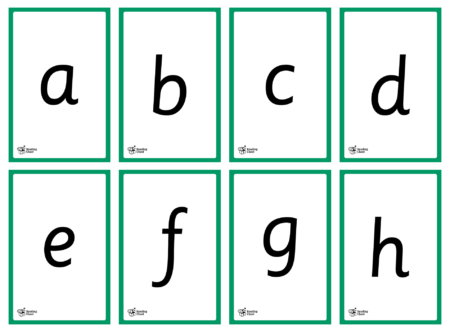
- Alphabet Flashcards (Lower Case)
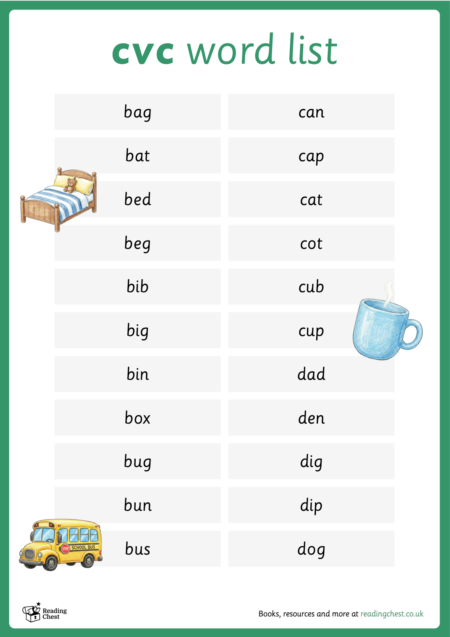
- Phonics CVC Words List
How to do it
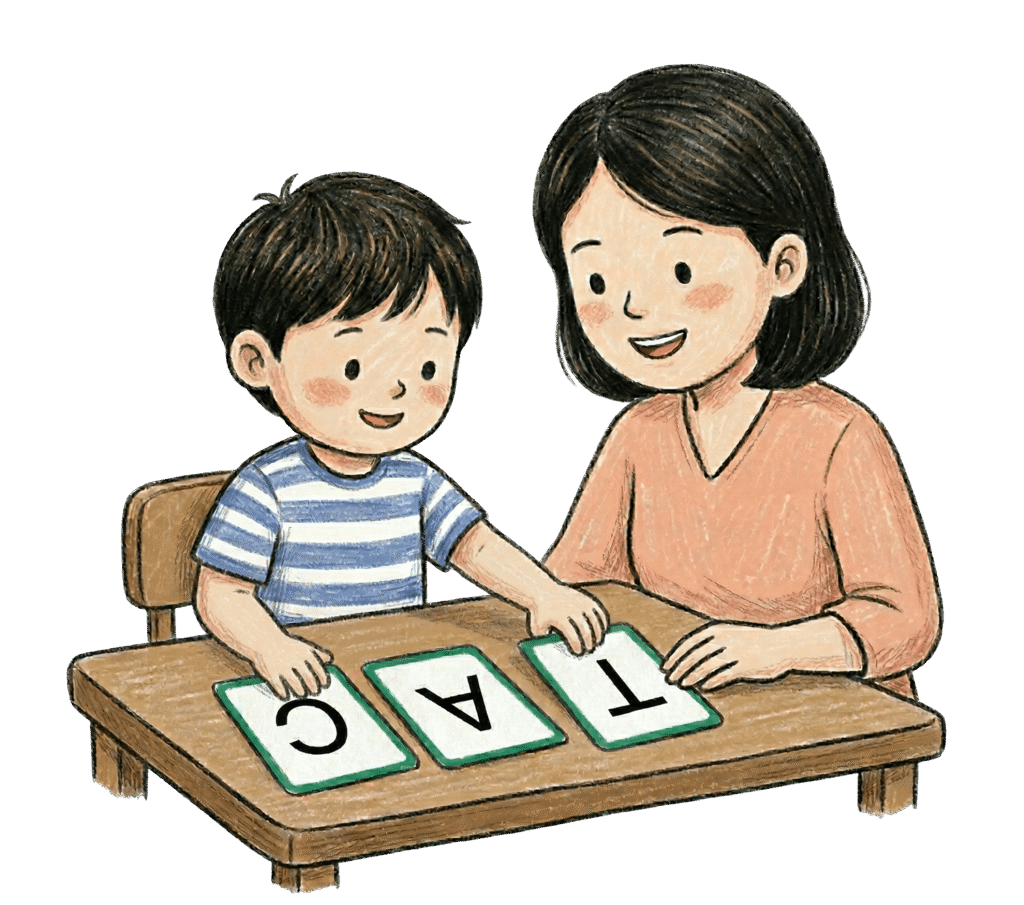
Pick a CVC word — "cat", "dog", "sit" are good starting points. Use the alphabet cards to find each letter. Say each sound as you place it: c... a... t. Then blend: "cat".
Let your child build the next one. You say the word; they find the letters and lay them out. If they get stuck on blending, try the slow-to-fast trick: sound it out like a robot, then speed up until it sounds like a real word.
Work through a few words from the cards or list. Keep sessions short — five or six words is plenty. The goal is confident blending, not endurance.
Grab our resources
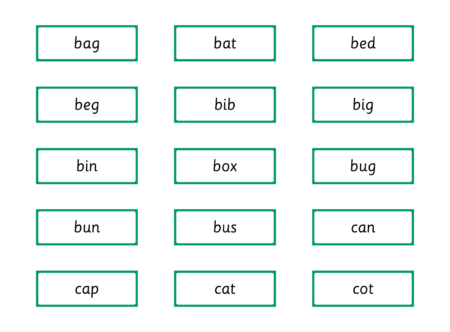
Print our cvc word cards and alphabet flashcards (lower case) to get started.
When your child is ready to push into consonant clusters, this one builds on the same idea with CVCC words:
CVCC add-a-sound
Take a simple CVC word like "cat" and add a sound to the end — "cats", "camp". A small change that opens up a lot of new words.
Goal
Build awareness of final consonant clusters by showing how adding one sound changes a word — and builds a bigger reading toolkit.
You'll need
- CVC Word Cards
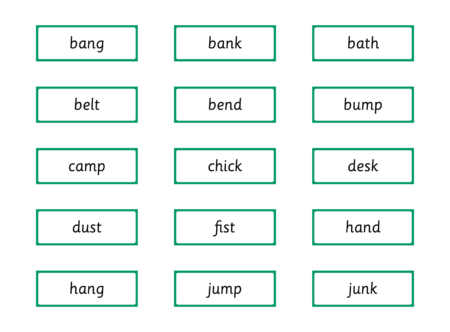
- CVCC Word Cards
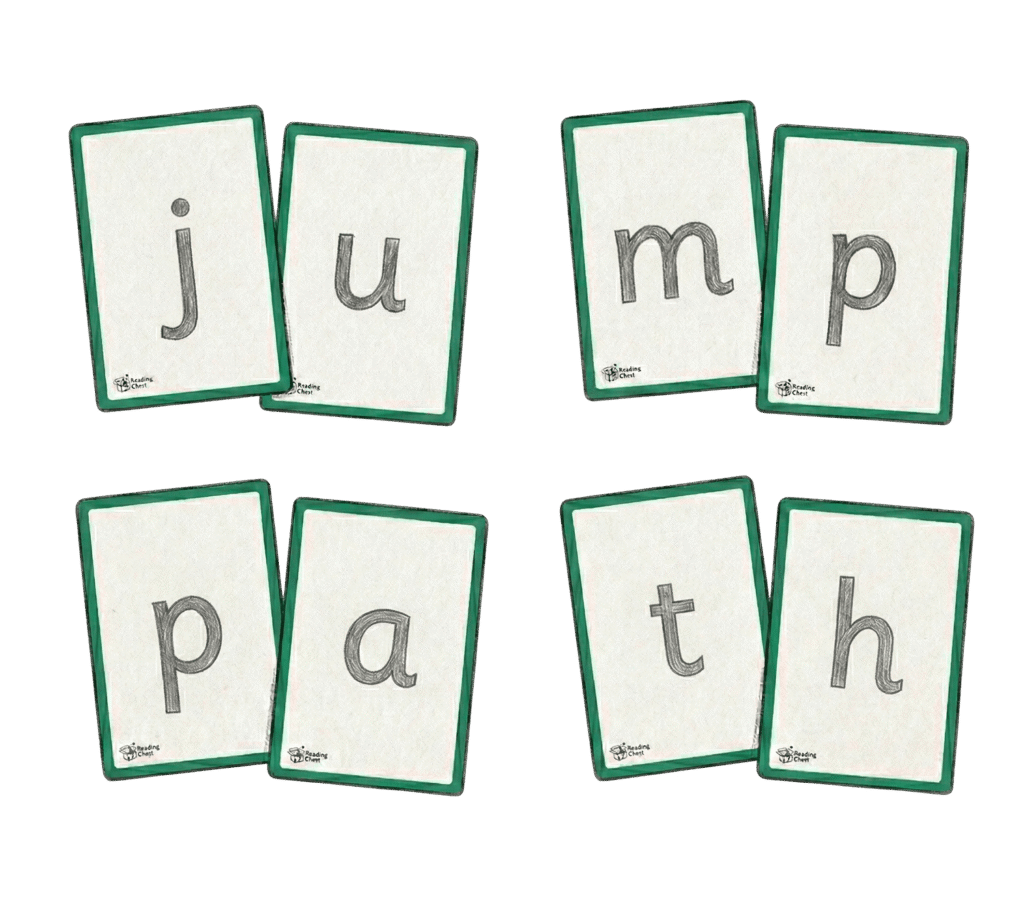
- Alphabet Flashcards (Lower Case)
How to do it
Start with a CVC word — "cat", "dog", "pin". Read it together. Now add one more sound at the end: s makes "cats", p makes "camp", d makes "wind". Say the new word slowly, then blend it.
Use the alphabet cards to physically add the new letter to the end of the word. That visual of the word growing is really helpful for some children — they can see and hear the change at the same time.
Try a few from the CVCC word cards. Keep it playful: "What if we add this sound? What word do we get?" Discovering the answer together is the whole point.
Grab our resources
Print our cvc word cards and cvcc word cards to get started.
Free word lists and resources
If you want ready-made word lists to practise with at home, we’ve got free printable resources for both CVC and CVCC words — sorted by sound pattern, so you can work on exactly the ones your child is currently learning.
Frequently asked questions
What are some examples of CVC words?
Common CVC words include: cat, dog, sit, hop, pen, cup, bag, red, mud, lip, fog, nut. Each one has exactly three sounds: a consonant, a vowel, and a consonant.
Is “ship” a CVC word?
Yes — ship is a CVC word. Although it has four letters, the sh digraph makes one sound, so the word has three phonemes: sh–i–p. In phonics, word structure is counted by sounds, not letters.
What’s the difference between CVC and CVCC words?
CVC words have three sounds (consonant–vowel–consonant), like cat. CVCC words have four sounds with two consonants at the end, like lamp (l–a–m–p). CVCC words are generally introduced after CVC words in phonics programmes because they require children to blend a consonant cluster.
When do children learn CVC words?
Most children start learning to read CVC words in Reception (age 4–5), once they’ve been taught a small set of letter sounds. CVCC and CCVC words typically come in Year 1, as children’s phonics knowledge expands to include more complex patterns.
What if my child is struggling with CVCC words?
Consonant clusters are a genuine stumbling point for many children — it’s very common and doesn’t mean phonics isn’t working. Focus on the cluster in isolation first (practise just mp or st as a unit), then put the whole word together. More practice with CVC words first also helps build the underlying confidence.
Let your child’s teacher know if they’re consistently struggling with clusters — the school may be able to offer targeted support.
