Contents
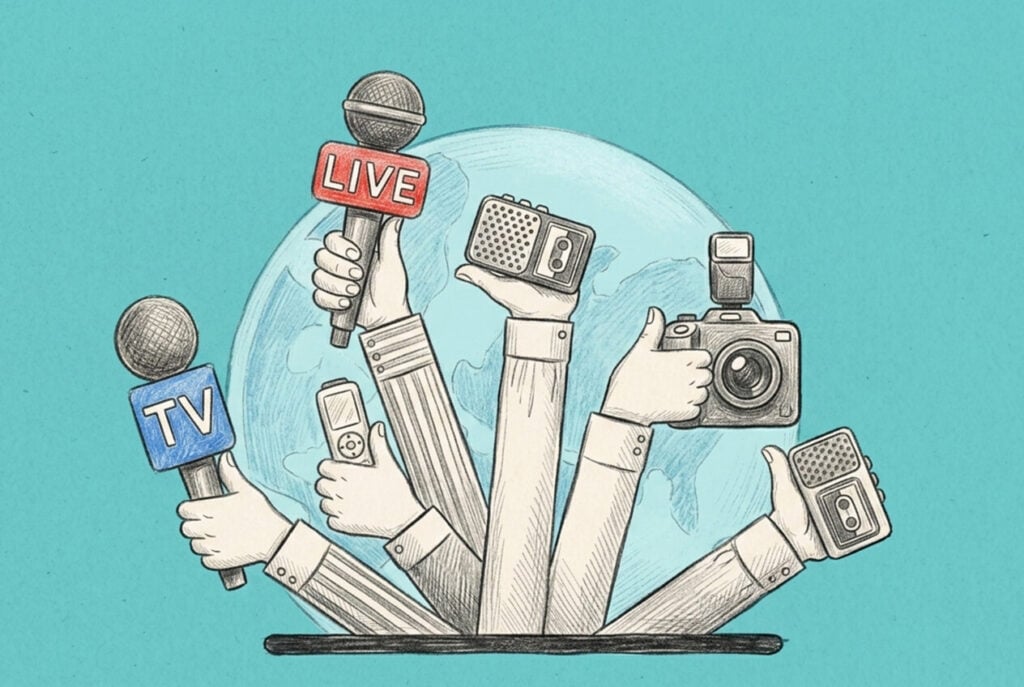
Media literacy is the ability to access, analyse, evaluate, and create media in different forms. A media-literate person can engage critically with what they see, hear, and read — understanding not just the content, but who made it, why, and what effect it may be designed to have.
For children growing up today, media literacy is one of the most practical skills a good education can provide. The range of media they encounter — social posts, news articles, videos, advertisements, podcasts, online games — is vast, varied, and often created by people whose interests may not align with the child’s own. Being able to navigate that landscape critically is increasingly essential.
Here’s what media literacy means in practice, why it matters, and what you can do at home to support it.
What media literacy actually covers
Media literacy is broader than it sounds. It’s not just about social media or screens — though those are central to it today. It includes any form of communication that’s been produced and distributed: print, broadcast, digital, and social. A media-literate child understands:
- That all media is constructed — someone made choices about what to include, how to frame it, and what to leave out
- How to find and evaluate information from multiple sources rather than accepting a single one
- What advertising looks like, how it works, and what it’s designed to do
- The difference between fact, opinion, and persuasion
- How news is produced, who funds it, and why that might matter
- How algorithms decide what content they see — and what that means for the information they encounter
These skills develop over years, not weeks. But the foundations — questioning, evaluating, thinking about purpose and audience — can be introduced early and built on throughout childhood and adolescence.
Bite-sized reading tips, straight to your inbox
Get confidence-boosting tips to help your child learn to read. Short, useful, and easy to fit into (real) family life!
Even better? You'll also get 30% off your first month of Reading Chest.
Why media literacy matters for children
Children are not passive consumers of media — they engage, share, comment, and create from very young ages. Without media literacy skills, they’re less equipped to spot misinformation, manipulation, and content designed to exploit rather than inform.
Research consistently shows that children who receive media literacy education are better at identifying advertising, more sceptical of unverified claims, and more resilient to persuasive content.
These skills matter increasingly as AI-generated content becomes more prevalent and harder to distinguish from human-produced material.
Media literacy is also a reading and comprehension skill. Understanding that a text has a purpose, an author, and an intended audience — and that all of those shape the content — is the same critical thinking applied to books and articles as to social media posts or YouTube videos.
Media literacy in the curriculum
Media literacy is embedded in several areas of the national curriculum rather than being a standalone subject. It appears in English (analysing how texts are shaped by purpose and audience), computing (online safety and digital literacy), and PSHE (relationships and online safety). Many schools address it through current events discussions and specific media literacy programmes.
In practice, families and schools carry a significant share of responsibility for helping children develop the critical tools they need. Regulatory frameworks for online content are still evolving, and what children encounter online often outpaces what schools can formally address.
For the related concept of digital literacy — skills specifically related to using digital technologies — see our guide to digital literacy.
How to develop media literacy at home
The most effective approach to building media literacy at home is conversation rather than instruction. Children who grow up in households where media is discussed critically — “Who made this?”, “Why do you think they included that?”, “What are they trying to make us feel?” — develop these habits of thought naturally.
Some practical starting points:
- Watch and read together. Co-viewing is much more valuable than parallel use. Sharing the same content creates a natural opportunity for discussion.
- Question advertising explicitly. Children as young as four can begin to understand that adverts are designed to persuade them to buy something. Naming that function (“this is an advert — what are they doing to make you want this?”) builds the habit of identifying persuasive intent.
- Compare sources. When a news story or claim comes up, looking at how different sources cover it — or whether they cover it at all — teaches children to evaluate rather than accept.
- Discuss what’s missing. Every piece of media leaves something out. Asking “What don’t we know from this?” or “Whose perspective isn’t here?” builds critical reading skills that apply equally to books and to social media.
Try this activity
This activity builds critical thinking about narrative choices and perspective — exploring the decisions behind storytelling that apply equally to news, advertising, and social media:
Stop-the-story choices
Pause mid-story and ask: what do you think will happen next? Read on and find out whose guess was closest. Keeps minds engaged right through to the last page.
Goal
Practise predicting and thinking ahead while reading — building comprehension and keeping attention right where it should be: on the story.
You'll need
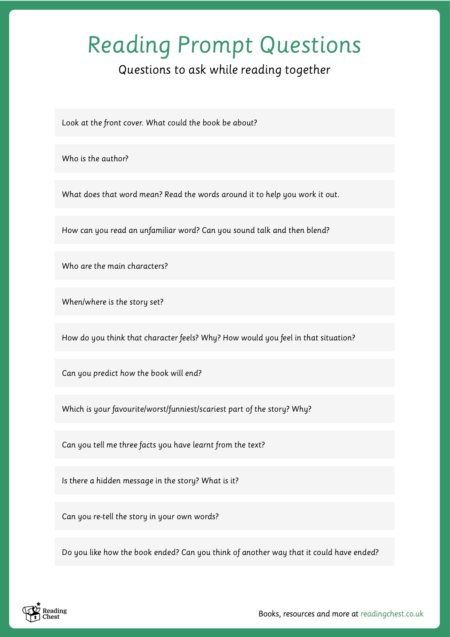
- Reading Prompt Questions
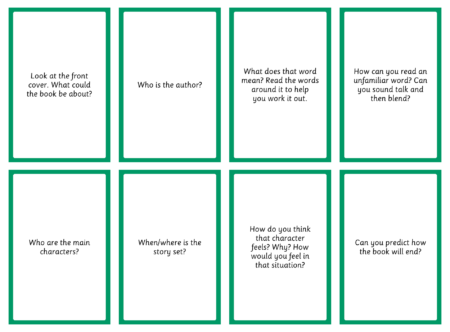
- Reading Prompt Cards
How to do it
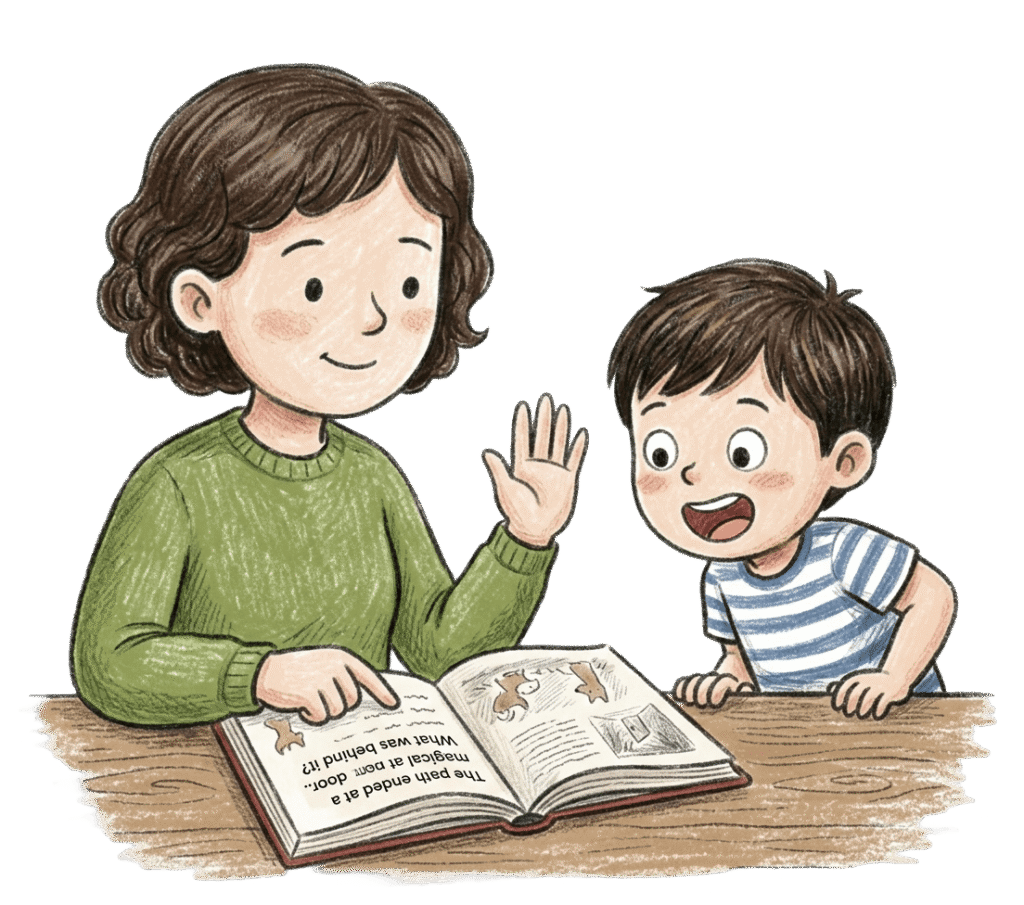
Read together until you hit a turning point — a cliffhanger, a choice, a moment of tension. Stop. Ask: "What do you think happens next?" Let them share their idea, however far-fetched.
Use the prompt cards if you need a nudge: "Why did they do that?" or "What would you do in their position?" Then read on and find out.
When the real outcome arrives, compare it to their prediction. "You were almost right!" or "Nobody saw that coming!" are equally good reactions. The habit of thinking ahead while reading is one of the most useful comprehension skills there is — and this is how it gets built.
Grab our resources
Print our reading prompt questions and reading prompt cards to get started.
Frequently asked questions
What age should children start learning about media literacy?
Earlier than you might expect. Basic media literacy — understanding that adverts try to sell things, that not everything on a screen is true, that someone made the content they’re watching — can begin in Reception or Year 1. The concepts become more sophisticated as children develop: by secondary school, media literacy extends to understanding algorithms, data privacy, and online influence. But the core questions (“Who made this?”, “Why?”) can be introduced as soon as children are consuming media, which for many families means the toddler years.
Is media literacy just about social media?
No — social media is one component, but media literacy covers all forms of media: television, film, books, news, advertising, games, and online content of every kind. The same critical questions apply to a newspaper as to a TikTok video. In practice, digital and social media receive more attention because they’re newer, less regulated, and present specific challenges around misinformation and algorithmic curation — but the core skills are transferable across all media formats.
How is media literacy different from digital literacy?
Media literacy is primarily about critical thinking — evaluating, analysing, and understanding the messages embedded in media content. Digital literacy is broader and includes the practical skills of using digital technologies (devices, software, the internet) effectively and safely. The two overlap significantly, especially when it comes to online content, but a person can be digitally literate (technically skilled) without being media literate (critically discerning), and vice versa. Our guide to digital literacy covers the distinction in more detail.
Are there good resources for teaching media literacy to children?
The BBC’s Own It platform has age-appropriate resources on online safety and media literacy for children. Newswise (from First News) provides media literacy lessons for primary schools. Common Sense Media offers guidance for parents and teachers on all aspects of children’s media use. The UK Safer Internet Centre also produces resources focused on critical online skills. Many are free and accessible for home use as well as in school.
