Contents
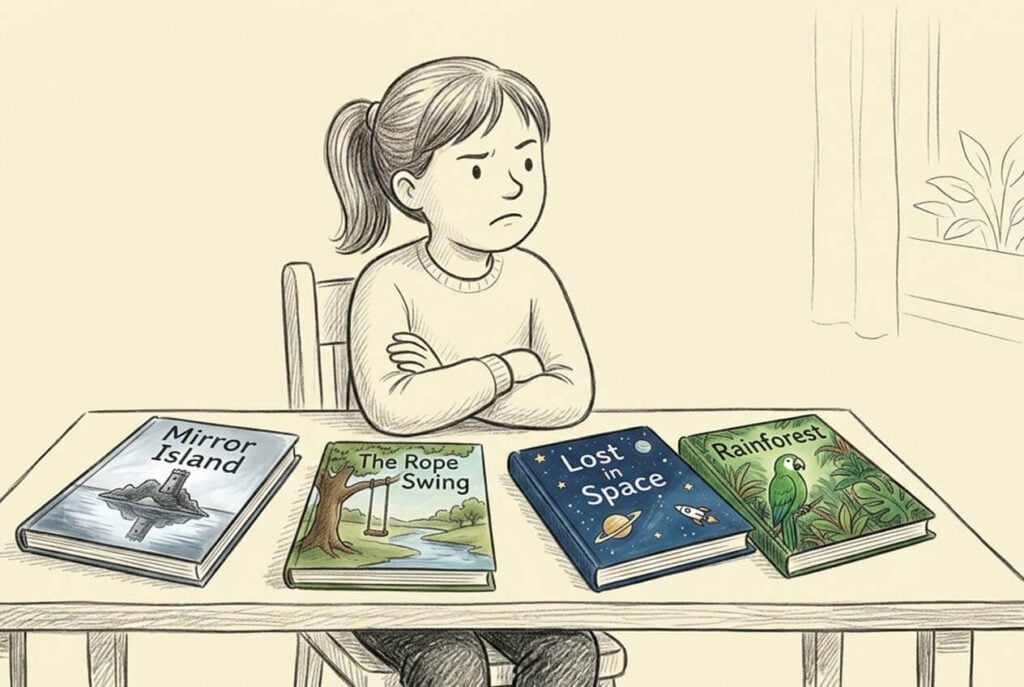
If your child says they hate reading, the most likely explanation is not that they hate reading. It’s that they haven’t found the right book yet. The books they’ve been offered — school readers, recommended classics, well-intentioned gifts — haven’t connected with what they actually care about.
Finding the hook is the whole game. Once a child encounters a book that genuinely interests them, the resistance drops. The reading happens. And from there, the habit can build. Here’s how to find it.
Why children resist reading
Reluctant readers are usually reluctant for one of three reasons, and the fix is different for each:
- The books are too hard. If reading requires significant effort, it’s not relaxing or enjoyable — it’s exhausting. A child who is struggling with the words has no attention left for the story. Books that are slightly below your child’s “official” reading level can be the most useful for building the reading habit, because the effort is low and the pleasure is accessible.
- The books are too easy and boring. Older children who are capable readers but resistant readers often find the books available to them unengaging. The content doesn’t interest them. Comics, non-fiction, graphic novels, or books above their assigned level might unlock what the assigned reading doesn’t.
- There’s no connection between the books and their interests. This is the most common cause. Reading is voluntary when the content is genuinely interesting. A child who loves football but only gets fantasy novels will not become a reader through sheer willpower.
Bite-sized reading tips, straight to your inbox
Get confidence-boosting tips to help your child learn to read. Short, useful, and easy to fit into (real) family life!
Even better? You'll also get 30% off your first month of Reading Chest.
The hook principle: start where they are
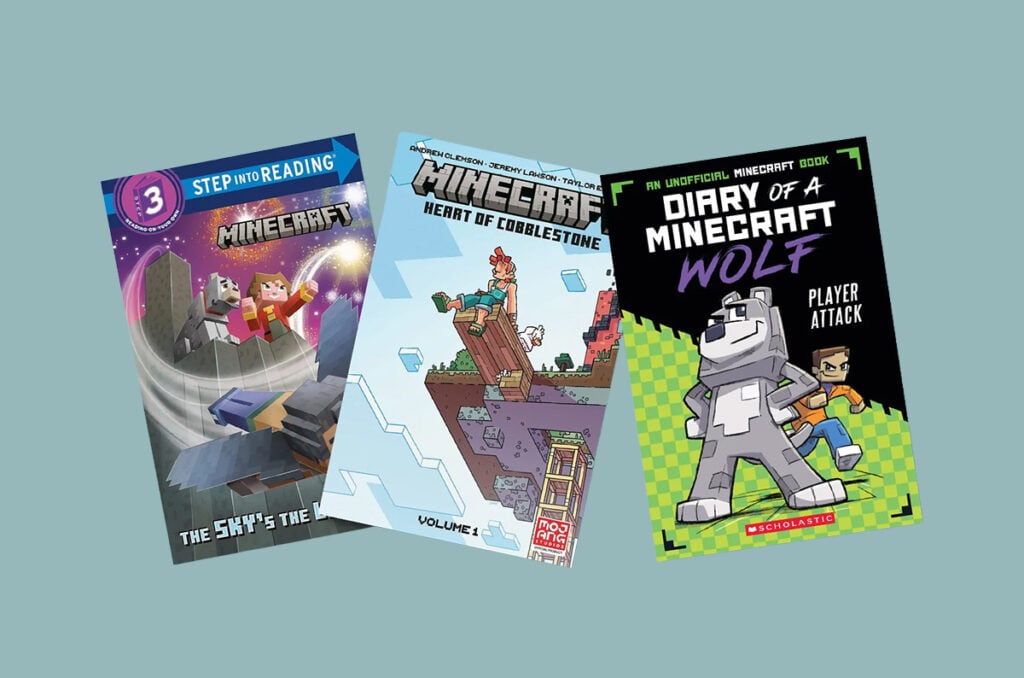
The most effective strategy for reluctant readers is to follow the child’s existing obsessions, not your reading aspirations for them. Whatever your child is passionate about right now — football, space, dinosaurs, Minecraft, animals, history, cars, magic tricks — there are books about that thing. Find those books first.
This works because the content question (what’s this book about?) is answered before the child even opens it. They already know they’re interested in the topic. All they have to do is read, which is the hard part for a reluctant reader — and the bar for that is much lower when the subject matter is inherently motivating.
The goal is to build the reading habit. Once a child has read twenty football books and knows reading can be enjoyable, recommending something different has a much better chance of landing. You can’t start there; you have to start where they are.
Format matters as much as topic
Topic is the most important factor, but format matters too. Some reluctant readers respond better to specific formats:
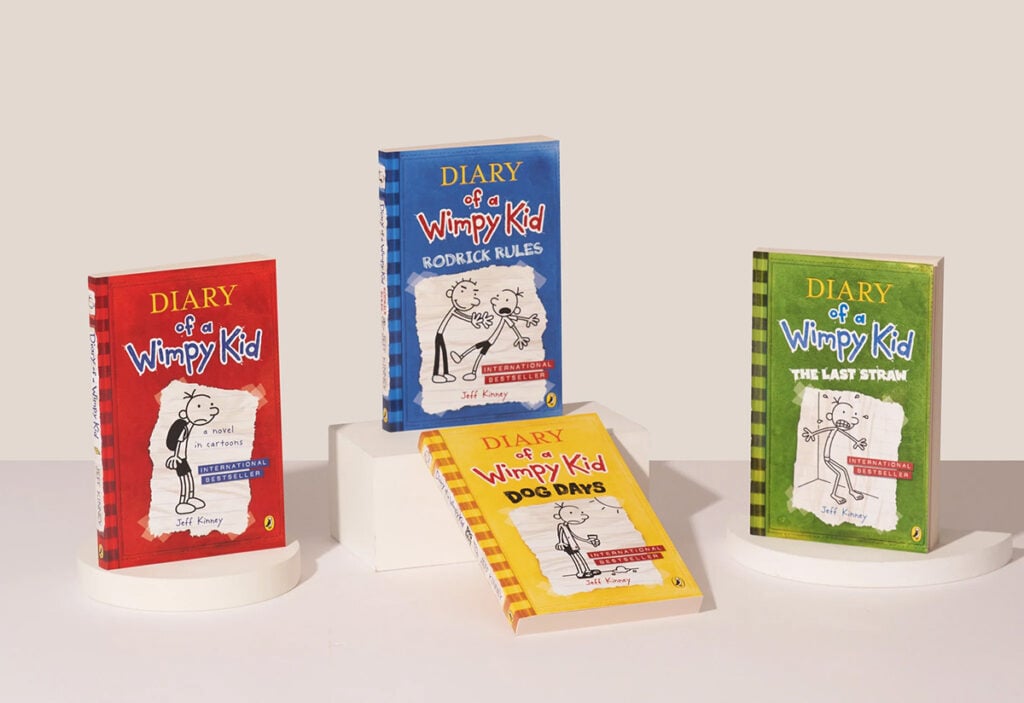
- Graphic novels and comics. These are real reading — visual and verbal together, requiring strong comprehension and inference. Dog Man, Diary of a Wimpy Kid (heavily illustrated), Asterix, Phoenix Comics: these reach children who find prose unengaging.
- Non-fiction. Many children who resist story books will happily read reference books, fact books, and information texts. Horrible Histories, DK Eyewitness books, Guinness World Records: information in small, digestible chunks is often more accessible than sustained narrative.
- Shorter chapters. Early chapter books with very short chapters (two or three pages) lower the stakes. A child who “can’t get through” a book can often manage one short chapter at a time. The sense of completion at the end of each chapter is itself motivating.
- Series books. The structure of a series — familiar characters, predictable format — reduces the effort of getting into a new book. Once a child loves the first book in a series, the next thirteen are much easier to start.
- Funny books. Comedy is underrated as a reading hook. Books that make children laugh create a positive association between books and enjoyment that serious literature rarely does. Captain Underpants, Wimpy Kid, Tom Gates, Tom Fletcher: funny first.
Practical tips for reluctant reader families
- Let them choose. Let your child browse, hold, flip through, and reject books until they find one they want. The choice matters as much as the book.
- Don’t police the level for pleasure reading. A child reading a book below their “official” level is still reading. Don’t insist they read harder books for pleasure reading — save level-matched reading for the school reading book.
- Try before you buy. Taking a risk on a book your reluctant reader might not finish can create resentment. Libraries, Reading Chest subscriptions, and school book loans let you try books without commitment. Low-risk sampling is important for reluctant readers because they need many books to find the one that works.
- Read to them. Even children who resist reading independently usually enjoy being read to, especially if you read something genuinely exciting. Reading the first chapter of a book aloud can hook a child into wanting to find out what happens next.
- Don’t make it about reading. The moment reading becomes “something we’re making you do”, resistance goes up. Trips to the bookshop or library, books as gifts, talking about what you’re reading yourself: keep the relationship with books positive and voluntary.
Reading Chest is designed for exactly this situation: a steady supply of new books to try, without the cost of buying books that might not land. If your child finishes a book and it doesn’t spark any interest, send it back and try something else. That low-stakes exploration is how reluctant readers find their hook.
Our reading for pleasure guide has more on building the long-term reading habit once you’ve found the initial hook. And for the evidence behind why this matters, why reading is important makes the case clearly.
These activities work well for reluctant readers because they reduce pressure and make books feel playful:
Before and after reading
One question before you open the book. One after you close it. That's it — but it shifts everything from just decoding words to actually thinking about them.
Goal
Help your child get more from every reading session by tuning in to meaning, not just getting through the words.
You'll need
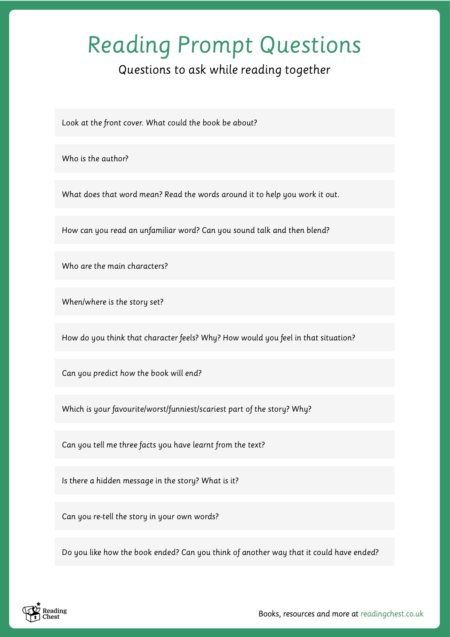
- Reading Prompt Questions
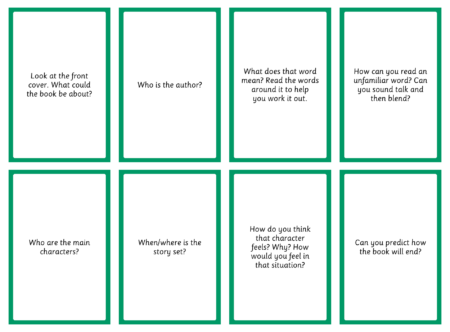
- Reading Prompt Cards
How to do it
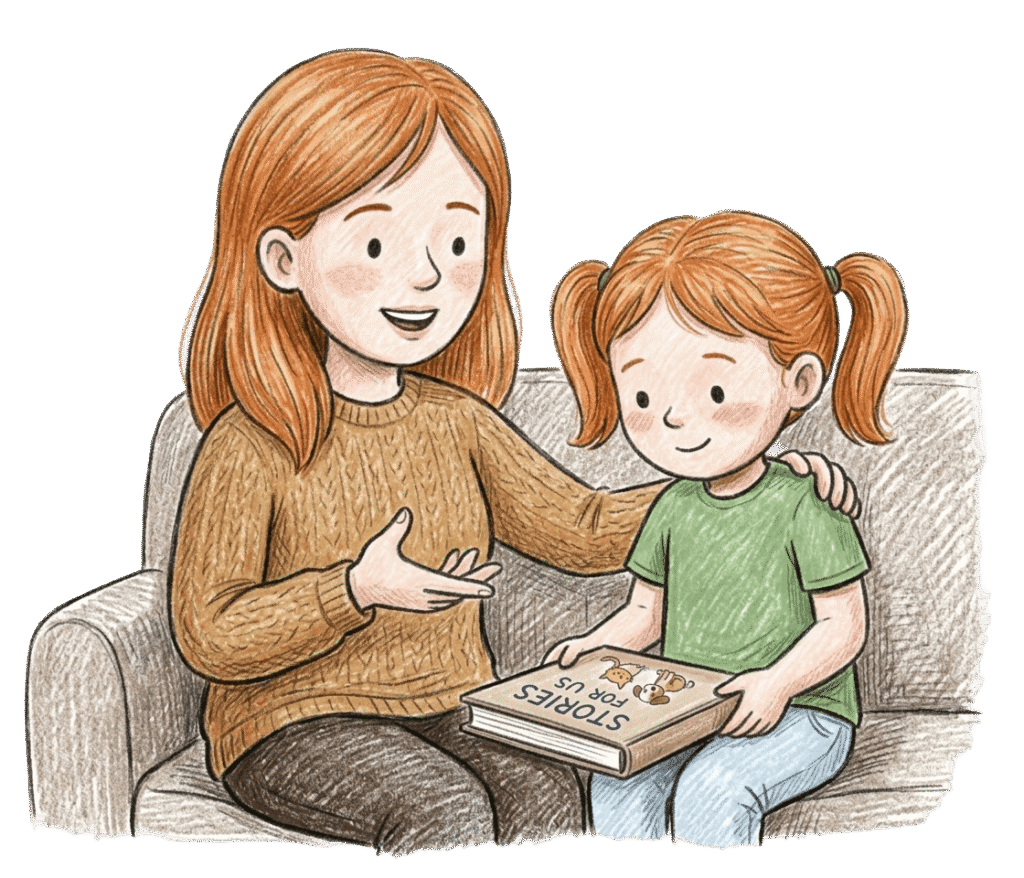
Before you open the book, ask one simple question: "What do you think this might be about?" or "What do you notice on the cover?" That's all — don't overthink it.
Read together. When you finish, ask one follow-up: "What was your favourite part?" or "What would you do if you were that character?" Use the prompt cards if you want more ideas.
Keep it brief. You're not running a comprehension test — you're just helping them connect with what they've read. That habit of pausing to think is one of the most useful things a reader can learn.
Grab our resources
Print our reading prompt questions and reading prompt cards to get started.
Book to life roleplay
Pick a scene, grab whatever props you can find — a tea towel, a cushion, a very willing teddy — and act it out. Bring the book to life.
Goal
Recreate a scene from the story through play — builds sequencing, recall, and expressive language (and is generally quite chaotic in a good way).
You'll need
Nothing needed — works with whatever you have to hand.
How to do it
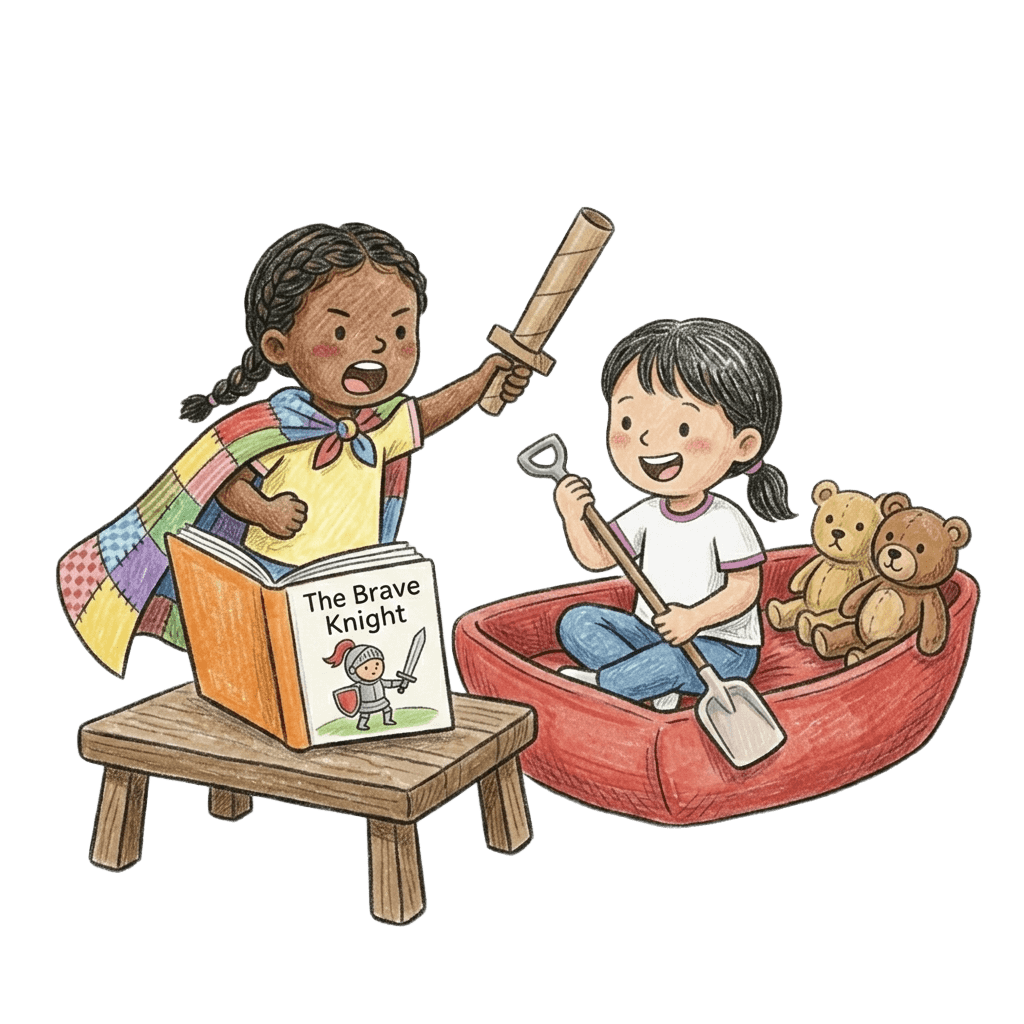
Pick a favourite scene from a book you've read together. Decide who plays which character — including you. Go for it.
Use what you have: a blanket for a cape, a cushion for a boat, teddies as the extras. Keep the book open if it helps, or go from memory. Either is fine.
One or two minutes is plenty. Swap roles and try again if they're enjoying it. The real value is in remembering the order of events and thinking about how characters move and speak — but mostly it's just fun.
Frequently asked questions
Should I be worried if my child is a reluctant reader?
Reluctance to read voluntarily is common and usually fixable — it’s not the same as reading difficulty. Many children who resist independent reading at home are reading at a perfectly appropriate level at school; they just haven’t found books they want to read. If your child is also struggling with decoding, comprehension, or keeping up with the school’s reading expectations, that’s different and worth discussing with the teacher. But voluntary reluctance, on its own, is usually about not having found the right books yet.
My child will only read Captain Underpants / Wimpy Kid / [popular series] — is that okay?
Yes. Series reading — even very popular, arguably low-literary-value series — builds reading stamina, vocabulary, and comprehension. The habit of finishing books and immediately reaching for the next one is genuinely valuable. Once a child has read ten books in a series and loved it, they’ve proved to themselves they’re a reader. That opens doors. You can introduce more varied reading later; the series habit is the foundation to build on.
What if my child will only read non-fiction?
Non-fiction reading is real reading. Comprehension of information text, extracting key facts, understanding vocabulary in context, building knowledge — all of these happen in non-fiction reading. The skills don’t transfer perfectly to fiction comprehension (understanding narrative structure, character motivation, and implied meaning are different from information retrieval), but non-fiction readers are readers. Find more non-fiction on the topics they love and build from there.
